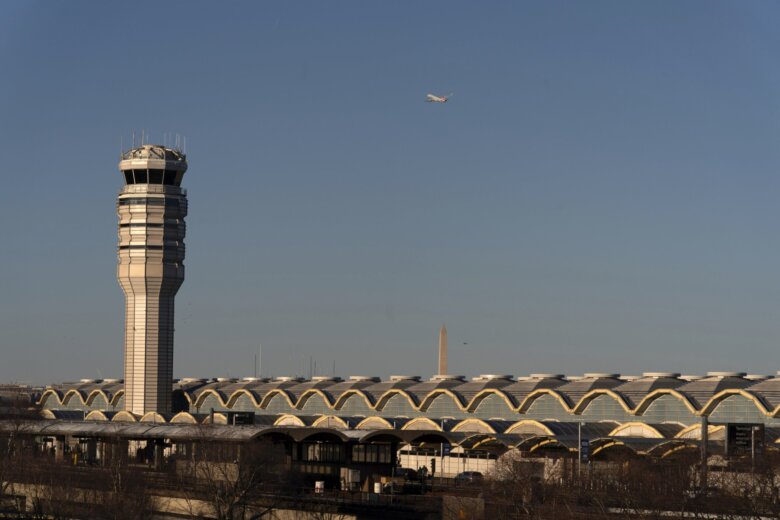
Ground Stop Lifted at Washington D.C.-Area Airports Following Chemical Smell Incident
Flights are resuming at three major airports serving the Washington D.C. Metropolitan area after a ground stop was implemented Friday evening due to a “strong chemical smell” detected at a key air traffic control facility. The Federal Aviation Administration (FAA) lifted the ground stop at Baltimore/Washington International Thurgood Marshall Airport (BWI), Ronald Reagan Washington National Airport (DCA), and Washington Dulles International Airport (IAD) late Friday, though significant flight delays persisted into Saturday morning. The incident, which also impacted Richmond International Airport and Charlottesville-Albemarle Airport, prompted a response from multiple fire and hazardous materials teams and raised concerns about potential health impacts for air traffic controllers.
The disruption began around 5:30 p.m. Eastern Time on Friday, March 13, 2026, when personnel at the Potomac Consolidated Terminal Radar Approach Control (TRACON) facility in Warranton, Virginia, reported the unusual odor. The TRACON facility, located approximately 50 miles outside of the nation’s capital, plays a critical role in managing airspace for the region, handling air traffic outside of airport takeoffs and landings. The FAA issued ground stops – effectively halting all departures – at the affected airports as a precautionary measure while the source of the smell was investigated. According to the FAA, the ground stops were lifted at 7:45 p.m. On Friday, but delays of up to three hours or more continued to ripple through the system overnight.
Source of the Odor Identified as Overheated Circuit Board
Transportation Secretary Sean Duffy revealed via a post on X (formerly Twitter) that the source of the chemical smell was traced to an overheated circuit board within a building monitor being serviced by a contractor at the TRACON facility.
He stated that the faulty component had been replaced and that air traffic controllers had been cleared to return to the building. The swift identification and resolution of the issue allowed the FAA to lift the ground stops and begin restoring normal operations.
Emergency Response and Controller Evaluations
The incident triggered a significant emergency response, with over 25 personnel from the Fauquier County Fire Rescue System and the Prince William County Hazardous Materials Team dispatched to the TRACON facility. Firefighters and hazmat specialists worked to identify the source of the odor and ensure the safety of personnel at the site. According to a statement released by Fauquier County Fire Rescue System, some FAA employees reported experiencing “mild symptoms” after exposure to the smell, but none required hospitalization. All 30+ FAA workers who were evaluated by emergency medical services were determined to be in stable condition.
Widespread Flight Delays and Passenger Impact
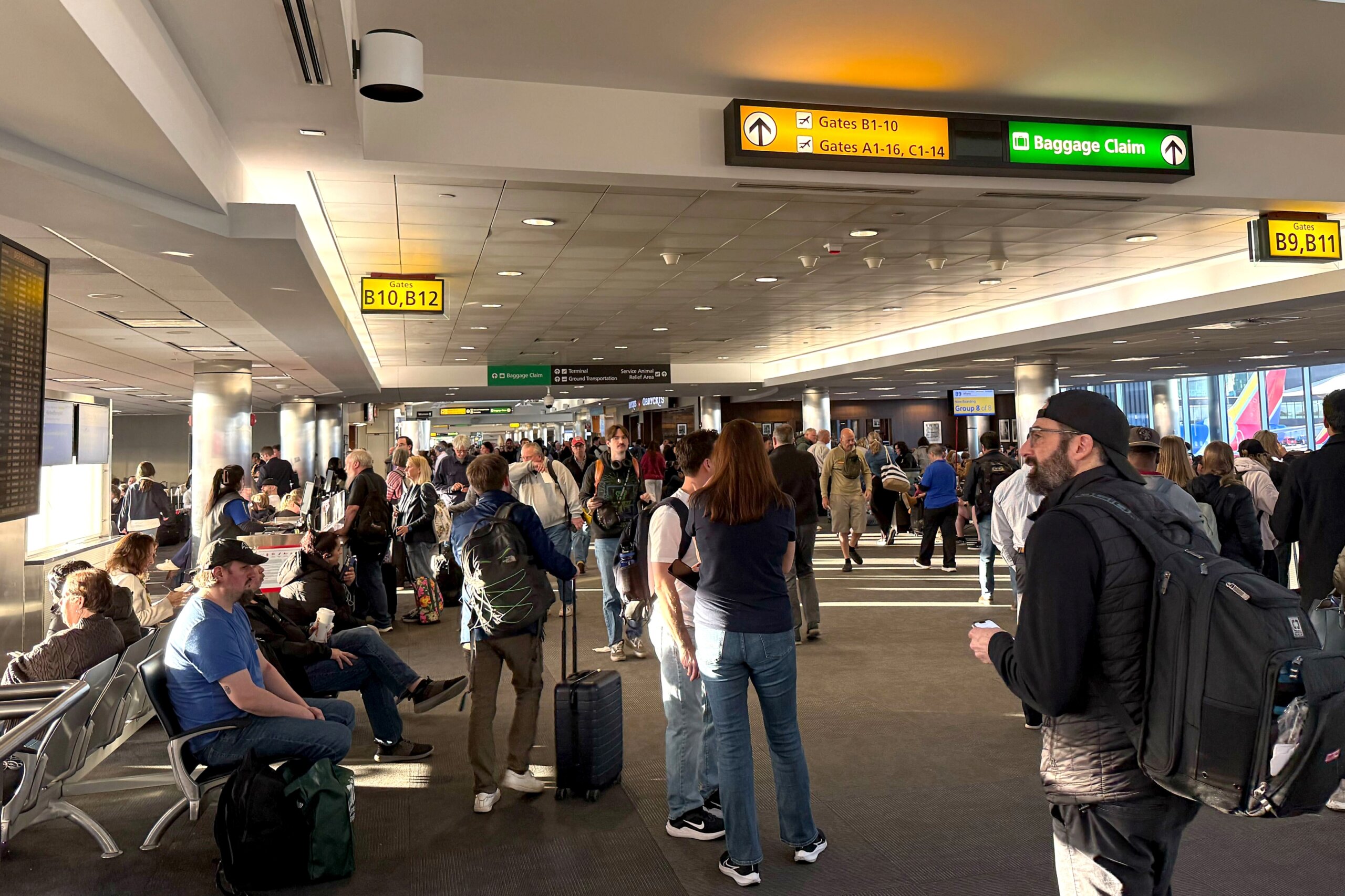
The ground stop and subsequent delays caused significant disruption to air travel across the Mid-Atlantic region. Dulles International Airport experienced particularly severe delays, with departures initially facing delays of 90 minutes and increasing. Transportation reporter Tom Roussey, speaking with WTOP, explained that the interconnected nature of flight scheduling meant that even a temporary disruption could have cascading effects. “There’s going to be ripple effects all night long because the delays were growing by the second it looked like,” Roussey said. Passengers reported being stranded on tarmacs, forced to deplane, and facing lengthy waits for rebooking. One traveler, a WTOP listener, recounted sitting on the tarmac for 45 minutes before being directed to return to the gate, only to begin reboarding around 7:30 p.m. After an original departure time of 4:35 p.m.
The FAA estimated that between 25% and one-third of all departing flights from the affected airports were delayed as a result of the incident. The disruption extended beyond the immediate Washington D.C. Area, impacting flights at Charlottesville-Albemarle and Richmond International Airports, which were also subject to ground stops. The Potomac TRACON facility provides air traffic control services for these airports as well, highlighting the regional impact of the incident.
Ongoing Monitoring and Future Prevention
While the immediate crisis has passed, the FAA is likely to conduct a thorough review of the incident to determine the root cause of the equipment malfunction and to prevent similar disruptions in the future. The incident underscores the critical importance of maintaining the integrity and reliability of air traffic control infrastructure. The FAA’s website remains the primary source for updated information on flight status and potential delays. Travelers are advised to check with their airlines for the latest information regarding their specific flights.
The incident at the Potomac TRACON facility serves as a stark reminder of the vulnerabilities inherent in complex systems and the potential for unforeseen disruptions to air travel. The quick response of emergency personnel and the FAA’s efforts to restore operations minimized the impact of the disruption, but the event will undoubtedly prompt a renewed focus on infrastructure maintenance and safety protocols.
As of Saturday morning, March 14, 2026, airlines are working to clear the backlog of delayed flights. Passengers are encouraged to monitor their flight status and allow for extra travel time. The FAA has not yet announced a timeline for a full return to normal operations, but officials are optimistic that the situation will continue to improve throughout the day.
Key Takeaways:
- A “strong chemical smell” prompted ground stops at multiple airports in the Washington D.C. Area on Friday, March 13, 2026.
- The source of the smell was identified as an overheated circuit board at the Potomac TRACON facility.
- No injuries were reported, but numerous flights were delayed, impacting thousands of passengers.
- The FAA has lifted the ground stops, but significant delays are expected to continue throughout the day.
The FAA is expected to provide a more detailed report on the incident in the coming days. We will continue to monitor the situation and provide updates as they become available. Share your travel experiences and questions in the comments below.
Related reading