Violence at Navy Yard Chipotle Sparks D.C. Push for Stricter Youth Curfew Laws
Washington D.C. Is under pressure to restore and strengthen its youth curfew laws after a violent brawl at a Navy Yard Chipotle restaurant Friday night, which officials say is part of a growing pattern of “teen takeovers” plaguing the city. The incident—captured on surveillance video and shared widely online—has reignited a contentious debate over public safety, parental accountability and the effectiveness of existing curfew measures.
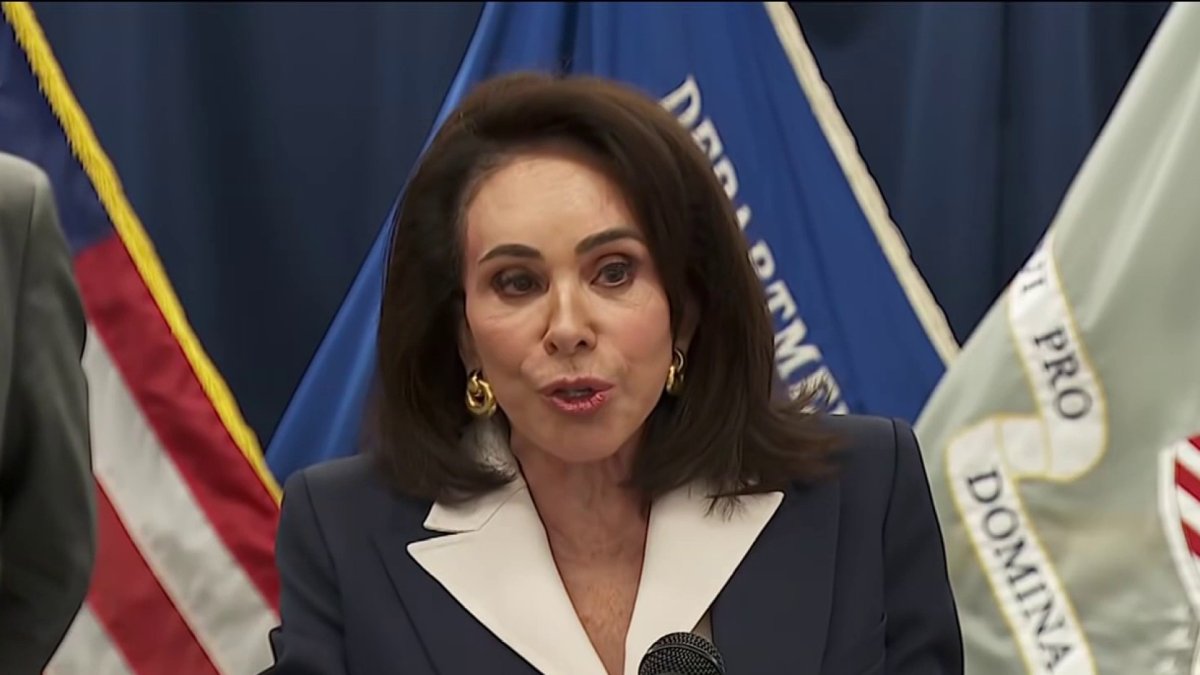
U.S. Attorney for the District of Columbia Jeanine Pirro has doubled down on her threat to pursue criminal charges against parents of repeat juvenile curfew violators, including potential fines and jail time. Meanwhile, Mayor Muriel Bowser has publicly urged the D.C. Council to act swiftly on emergency legislation to restore an extended juvenile curfew, though political divisions and legal hurdles remain significant obstacles.
The latest escalation comes as the city grapples with a rising tide of youth-related violence, including coordinated group takeovers of public spaces, restaurants, and retail locations. Critics argue that current measures—such as the police chief’s expanded authority to create emergency curfew zones—do not go far enough to address the root causes of these incidents.
Surveillance footage shows chairs being thrown and furniture used as weapons during Friday night’s brawl at the Navy Yard Chipotle. Authorities say the incident is part of a larger trend of “teen takeovers” in D.C.
Key Developments in D.C.’s Youth Curfew Crisis
- Legal Threat to Parents: U.S. Attorney Pirro has requested parent information for repeat curfew violators, with potential penalties including $500 fines per offense and up to six months in prison for contributing to delinquency.
- Mayor’s Urgency: Mayor Bowser called on the D.C. Council to pass emergency legislation immediately, though the current bill faces congressional review delays.
- Police Response: Officers arrived within one minute of the Chipotle call but found all participants had fled; the incident occurred during a period when large teen groups had been monitored nearby.
- Community Impact: Residents describe the violence as “routine” on weekends, with one local saying, “It’s disappointing to know this is still happening” despite frequent police presence.
- Legislative Standoff: The D.C. Council extended the police chief’s emergency curfew zone authority through 2028, but the measure won’t take effect until late summer.
- Broader Context: The Navy Yard area has become a hotspot for teen-related violence, with similar incidents reported at nearby retail locations and public spaces.
The Navy Yard Chipotle Incident: A Turning Point?
Friday night’s altercation at the Navy Yard Chipotle—located at 1200 First Street SE—escalated into a full-blown melee, with chairs being thrown and furniture used as weapons. According to the Metropolitan Police Department (MPD), officers responded to reports of a large fight around 8:41 p.m. But arrived to find all participants had already fled the scene.
Witnesses described a chaotic scene where patrons were trapped inside the restaurant as the brawl unfolded. One resident, Ken Ledet, told local media that such incidents have become “routine” on Friday and Saturday nights, despite frequent police deployments to the area. “It’s not shocking anymore, but it’s disappointing,” Ledet said.

The violence occurred just hours after Pirro announced her plan to target parents of repeat juvenile curfew violators. In a press conference Monday, she reiterated her stance:
“If your teen, parent, is a curfew violator, you’re subject to a $500 fine each and every time. And if You’ll see crimes under contributing to the delinquency of a minor, you face up to six months in prison, and I am not shy about looking for jail time.”
Pirro’s remarks reflect a broader crackdown on what officials describe as “organized teen takeovers” of public spaces. The U.S. Attorney’s office has already requested parent information from the MPD for repeat offenders, though no specific cases have been publicly identified.
Why the Curfew Debate Matters
The push for stricter youth curfews comes amid growing concerns about the city’s ability to maintain public safety. While D.C. Already enforces a citywide curfew for minors under 18—from 11 p.m. To 6 a.m. Sunday through Thursday, and midnight to 6 a.m. On Fridays and Saturdays—the latest incidents have reignited calls for an extended curfew.
Critics argue that current measures fail to address the root causes of teen violence, including gang activity, lack of after-school programs, and economic disparities. Supporters of stricter curfews, however, point to evidence from other cities—such as Chicago’s 2023 curfew expansion—where similar policies have been linked to reductions in juvenile crime.
Mayor Bowser’s call for emergency legislation underscores the urgency, though the D.C. Council remains divided. A bill passed last month would extend the police chief’s authority to create emergency curfew zones through 2028, but the measure is not expected to take effect until late summer due to congressional review requirements.
Legal and Political Hurdles
The path forward is fraught with challenges. While the D.C. Council has the authority to set local curfew laws, any changes must comply with federal regulations and may face scrutiny from Congress. Legal experts warn that targeting parents could raise constitutional questions about due process and the Fourth Amendment.
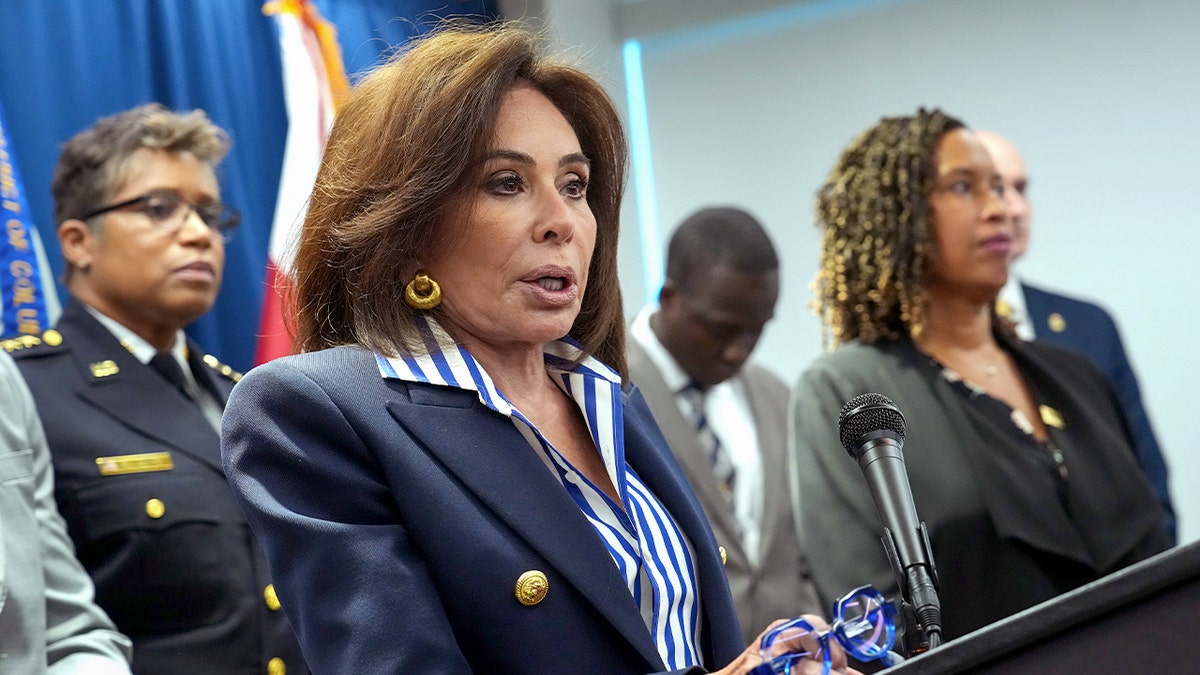
Pirro’s office has not yet identified specific cases where parents would face penalties, but the threat has sent a clear message: “We are going to hold parents accountable,” she said in a follow-up statement. The MPD, meanwhile, continues to monitor high-risk areas, including Navy Yard, where similar incidents have been reported in recent months.
Community Reactions: Fear and Frustration
Residents and business owners in Navy Yard express a mix of fear and frustration. Many have reported seeing large groups of teens congregating in the area, often leading to disruptions or violence. One modest business owner, who requested anonymity, said:
“We’ve had to board up our windows twice this month because of these takeovers. The police are there, but it’s like they can’t control the situation until it’s already out of hand.”
Others argue that stricter curfews alone won’t solve the problem. “We need more youth programs, better schools, and jobs for these kids,” said a local activist. “Just locking them up at night isn’t going to fix anything.”
The debate highlights a broader tension in D.C.: balancing public safety with the need for long-term solutions to youth violence. While the Navy Yard Chipotle brawl has sparked immediate calls for action, the underlying issues—poverty, gang involvement, and systemic inequities—remain unresolved.
Frequently Asked Questions
1. What is D.C.’s current youth curfew law?
Under current D.C. Law, minors under 18 are prohibited from being in public between 11 p.m. And 6 a.m. Sunday through Thursday, and midnight to 6 a.m. On Fridays and Saturdays. Violations can result in fines for both teens and parents.
2. Can parents be jailed for their child’s curfew violations?
U.S. Attorney Pirro has threatened criminal charges—including up to six months in prison—for parents found guilty of “contributing to the delinquency of a minor” if their child is a repeat curfew violator. However, no parents have yet been charged under this policy.
3. How effective are youth curfews in reducing crime?
Research on youth curfews is mixed. Some studies, like those from the CDC, suggest curfews can reduce juvenile crime when combined with other interventions. However, critics argue they often disproportionately affect marginalized communities without addressing root causes.
4. What are “teen takeovers,” and why are they happening in D.C.?
“Teen takeovers” refer to coordinated incidents where groups of minors seize control of public spaces, often leading to violence or property damage. Experts cite factors such as gang activity, lack of supervised activities, and economic disparities as contributing factors.
5. Where can I find updates on D.C.’s curfew legislation?
For official updates, monitor: