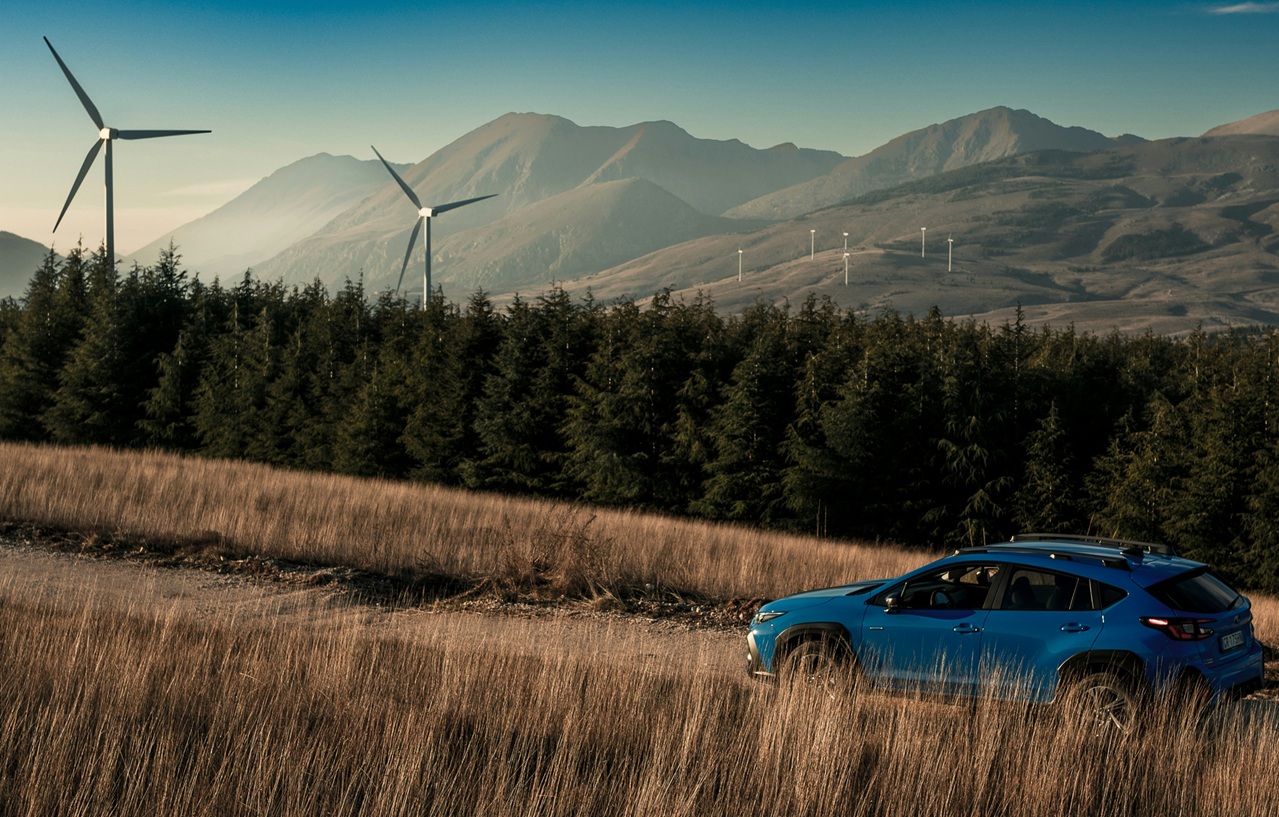
Replacing a traditional gasoline-powered SUV with an electric vehicle (EV) does not automatically result in a net environmental benefit due to the significant carbon footprint associated with manufacturing large-capacity batteries and the raw materials required for heavier vehicles. While EVs produce zero tailpipe emissions, the shift toward larger, heavier electric SUVs is creating new sustainability challenges, as the energy-intensive production process often outweighs the immediate emissions savings compared to smaller, more efficient internal combustion vehicles.
According to the International Energy Agency (IEA) Global EV Outlook 2024, the rapid growth of the electric vehicle market has been accompanied by a trend toward larger vehicle segments, particularly SUVs, which require larger batteries and more energy to operate. This development has prompted regulatory authorities in several jurisdictions to reconsider incentives for heavy electric vehicles, focusing instead on efficiency and weight reduction to meet broader climate goals.
The Environmental Cost of Vehicle Weight
The primary environmental drawback of replacing a gasoline SUV with an electric counterpart lies in the “embodied carbon” of the vehicle. Manufacturing a high-capacity battery—often weighing several hundred kilograms—requires the extraction and processing of lithium, cobalt, and nickel. A report by the IEA notes that the production of an electric SUV battery pack significantly increases the initial CO2 footprint of the vehicle compared to a smaller electric sedan or a lightweight gasoline car. Because larger vehicles require more electricity to move, they also place a higher demand on the power grid, which may still rely on fossil fuels depending on the regional energy mix.

Furthermore, tire wear and road degradation increase in correlation with vehicle weight. As electric SUVs are typically heavier than their internal combustion engine (ICE) predecessors, they generate higher levels of non-exhaust emissions—specifically particulate matter from tire and brake wear. These particles are a growing concern for air quality, as identified in research conducted by the Organization for Economic Cooperation and Development (OECD) regarding non-exhaust transport emissions.
Regulatory Shifts and Market Constraints
Authorities in China, the world’s largest market for electric vehicles, have begun implementing policies to curb the trend of “oversized” EVs. According to recent Chinese government policy directives regarding the promotion of energy-efficient vehicles, there is a push to prioritize smaller, lighter, and more energy-efficient models. This policy shift is intended to optimize resource use and reduce the strain on the national power grid.
This approach contrasts with the current market trajectory in Europe and North America, where consumer demand for large SUVs remains high. However, regulatory frameworks are evolving. The European Union’s CO2 emission standards for cars and vans mandate a 100% reduction in CO2 emissions for new cars by 2035. To meet these targets, manufacturers are under pressure to optimize vehicle efficiency, which is driving a move away from heavy, high-consumption designs toward more aerodynamic and lightweight platforms.
Evaluating the Lifecycle Impact
When assessing whether an electric SUV is a “green” choice, life cycle assessment (LCA) is the standard metric. An LCA measures the total environmental impact of a vehicle from “cradle to grave”—including raw material extraction, manufacturing, operation, and end-of-life recycling. Data from the International Council on Clean Transportation (ICCT) indicates that while EVs consistently perform better than ICE vehicles over their lifetime, the margin of benefit is narrower for large, heavy SUVs compared to compact electric vehicles.

The discrepancy in environmental performance is exacerbated by battery size. A larger battery requires more energy to produce, meaning the vehicle must be driven for a longer period before it “pays off” its initial carbon debt. For consumers, the decision involves balancing immediate utility needs with the long-term impact of vehicle mass and efficiency.
Future Trends in Automotive Design
The automotive industry is currently navigating a transition period where consumer preference for size is colliding with strict environmental regulations. Manufacturers are increasingly investing in solid-state battery technology and advanced materials to reduce vehicle weight without sacrificing range. According to the IEA, the next generation of EVs is expected to focus heavily on “energy density,” allowing for smaller, lighter battery packs that provide the same range as current, heavier units.

As governments worldwide tighten regulations on fleet-wide emissions, the era of the massive electric SUV may face significant headwinds. Future policies are likely to include stricter weight-based fees or incentives for high-efficiency vehicles, effectively shifting the market toward more sustainable, mid-sized, or compact electric alternatives.
The next major policy update regarding vehicle efficiency standards is expected in the upcoming European Commission review of the Regulation (EU) 2023/851, which governs CO2 emission performance standards. Industry observers and consumers are encouraged to monitor updates from the European Environment Agency for further data on how these regulations influence vehicle design and environmental impact. Readers are invited to share their perspectives on the balance between vehicle size and sustainability in the comments section below.