Tokyo, Japan – A diplomatic spat between Japan and China is escalating, fueled by comments from Japanese Prime Minister Sanae Takaichi regarding potential Japanese involvement in a conflict over Taiwan. While Beijing has expressed strong condemnation, recent data suggests the economic impact on Japan from a potential drop in Chinese tourism may be less severe than initially feared, with a surge in visitors from Taiwan and other nations partially offsetting the decline. The situation highlights the complex geopolitical dynamics in East Asia and the growing tensions surrounding the status of Taiwan.
The current crisis stems from Prime Minister Takaichi’s remarks in early November 2025, where she suggested that Japan’s Self-Defense Forces could be activated if China were to attack Taiwan. This statement, made during a parliamentary meeting, was interpreted by Beijing as a significant escalation and a violation of its stance on Taiwan as an inalienable part of China. The legal basis for such a response lies within Japan’s 2015 security law, which allows for the activation of self-defense forces in situations deemed a “survival-threatening situation” – defined as an armed attack on allies posing an existential threat to Japan. The BBC reports that Takaichi’s comments drew immediate ire from Beijing.
China’s Response: Diplomatic Pressure and Economic Retaliation
China has responded to Takaichi’s statements with a multi-pronged approach, employing diplomatic pressure, economic measures, and cultural restrictions. According to NPR, China has attempted to isolate Japan diplomatically, seeking support from the U.S., the U.K., and France for its position on Taiwan. Chinese leader Xi Jinping reportedly emphasized to former President Trump in a November 24th phone call that “Taiwan’s return to China is an integral part of the post-war international order,” though Trump did not publicly address the Taiwan issue following the call.
Beyond diplomatic efforts, China has implemented a series of economic retaliations. These include halting seafood imports from Japan, advising its citizens against travel to Japan, and canceling movie screenings and concerts. The economic impact is particularly noticeable in the Kansai region of Japan, where tourism from China has been a significant driver of growth. As reported by the Nikkei Asian Review, the deteriorating relationship with China is becoming a significant burden on the Kansai economy.
Taiwanese Tourism Surge Offsets Chinese Decline
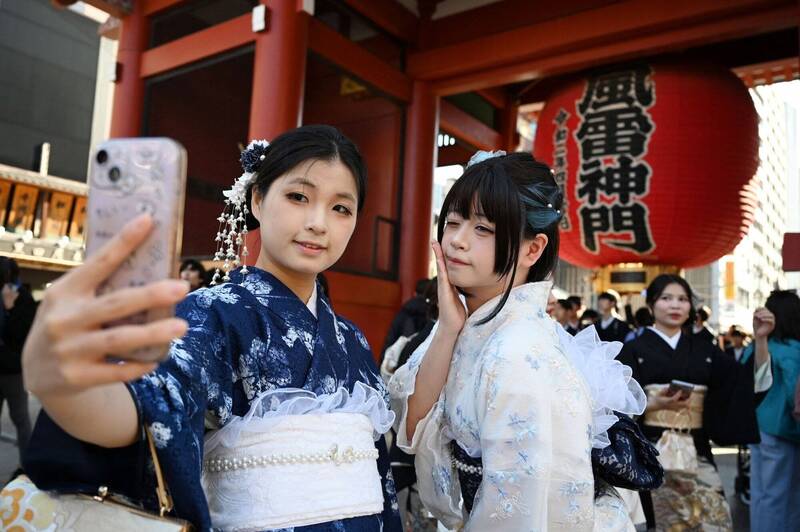
Despite the drop in Chinese tourists, Japan’s tourism sector is demonstrating resilience, largely due to a substantial increase in visitors from Taiwan and other countries. Japan’s Minister of Land, Infrastructure, Transport and Tourism, revealed that the growth in tourists from Taiwan and other nations has nearly offset the loss of Chinese visitors in January. Newtalk News reports this positive trend, indicating a diversification of Japan’s tourism market.
This shift is particularly evident in the Kansai region, where hotels and department stores are actively pivoting away from targeting Chinese tourists and focusing on attracting visitors from Taiwan, South Korea, and other Southeast Asian countries. MSN reports that this “de-China-fication” strategy is gaining momentum, with businesses adapting their offerings to cater to new customer demographics.
Cancellation Rates and Shifting Demographics
The impact of the diplomatic tensions is also reflected in travel booking data. TVBS News reports that cancellations of bookings by Chinese tourists have soared to 53%, while bookings from Taiwan have increased by 21%, effectively filling the gap left by the decline in Chinese visitors.
Historical Context and Future Implications
The current dispute is rooted in a long history of complex relations between Japan and China, marked by periods of conflict and cooperation. The issue of Taiwan remains a particularly sensitive point, with China viewing the island as a renegade province and Japan maintaining close unofficial ties with Taiwan. The constitutional constraints on Japan’s military actions, which prohibit waging war, add another layer of complexity to the situation. NPR highlights that Japan’s constitution prevents it from engaging in offensive military operations.
The escalating tensions have broader implications for regional stability and economic cooperation. The potential for miscalculation or unintended escalation remains a concern, and the dispute could further strain relations between major powers in the Asia-Pacific region. The economic consequences, while currently mitigated by the shift in tourism patterns, could become more significant if the dispute persists or expands to other areas of trade and investment.
Key Takeaways
- Prime Minister Takaichi’s comments on potential Japanese involvement in a Taiwan conflict triggered a diplomatic row with China.
- China has responded with diplomatic pressure and economic retaliations, including halting seafood imports and discouraging tourism to Japan.
- A surge in tourism from Taiwan and other nations is offsetting the decline in Chinese visitors, lessening the immediate economic impact on Japan.
- The dispute is rooted in historical tensions and differing views on the status of Taiwan.
- The situation poses risks to regional stability and economic cooperation.
Looking ahead, the immediate focus will be on diplomatic efforts to de-escalate the situation and prevent further deterioration in relations. The next significant development is expected to be a response from China to Japan’s continued stance on Taiwan, potentially through further diplomatic protests or economic measures. The situation remains fluid and requires careful monitoring. Share your thoughts on this developing story in the comments below.
Worth a look