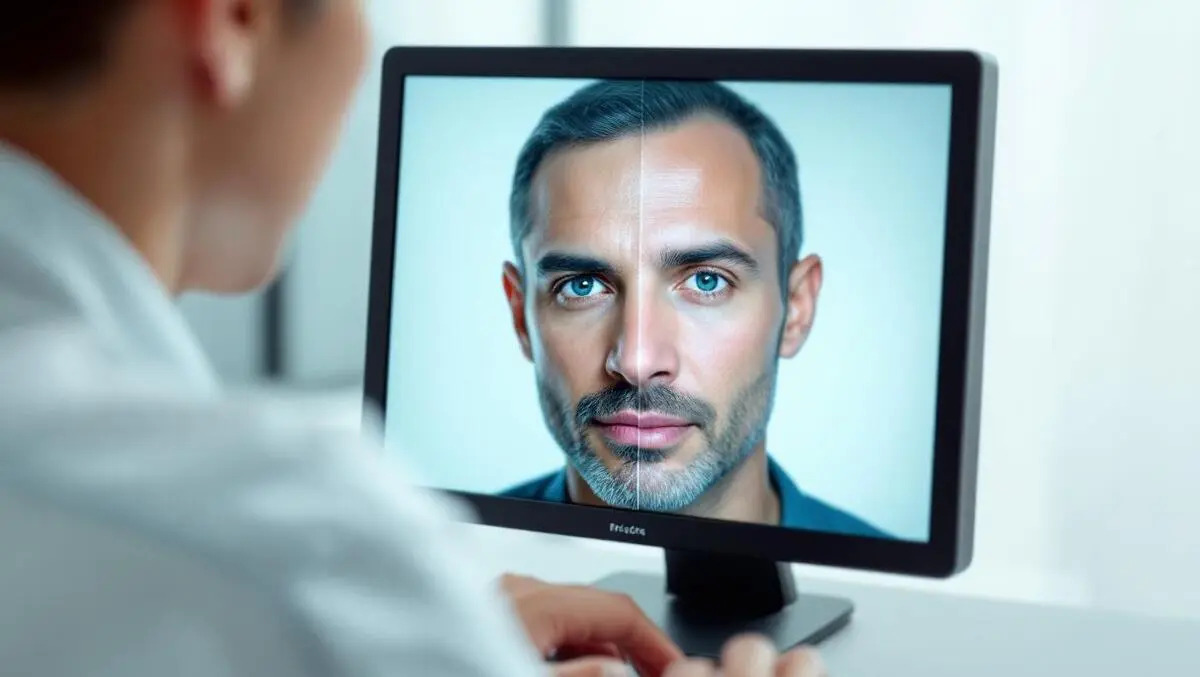
The Deepfake threat: Protecting Yourself in an Age of Synthetic Media
The rapid advancement of artificial intelligence has unlocked incredible possibilities, but also a perilous new frontier of deception: deepfakes. These hyperrealistic, AI-generated manipulations of video adn audio are no longer a futuristic threat – they are actively being used to defraud individuals, disrupt businesses, influence elections, and erode trust in data itself. Understanding the risks and learning how to identify deepfakes is now a critical skill for everyone.
What are Deepfakes and Why are they So Dangerous?
Deepfakes leverage elegant machine learning techniques, particularly deep learning (hence the name), to convincingly alter or create media. While initially requiring significant technical expertise,increasingly user-friendly software is making deepfake creation accessible to a wider audience,dramatically increasing the potential for misuse.
The danger lies in their believability. Deepfakes aren’t simply “bad” edits; they are designed to appear authentic.This makes them potent tools for malicious actors,capable of causing significant harm. The consequences range from deeply personal betrayals – like scammers using a fabricated video of a loved one to solicit emergency funds – to large-scale societal disruption. Businesses are vulnerable to financial losses through fraudulent instructions issued under the guise of executives, while democratic processes are threatened by the spread of false political narratives.
The Growing Scale of the Problem
The impact of deepfakes is already being felt globally. A UNESCO study revealed that a staggering 87% of people beleive misinformation, including deepfakes, has influenced politics in their country. this sentiment is driving demand for regulatory action, with 88% supporting government oversight of social media companies.
Federal agencies, including the NSA and Department of Defense, have documented the potential for deepfakes to destabilize critical infrastructure, disseminate propaganda, and facilitate espionage. The United Nations has highlighted their role in exacerbating discrimination, hate speech, and racism. This isn’t a distant concern; it’s a present-day reality. As one software engineer, with over a decade of experience building public-facing technology, powerfully illustrated:
“I remember exactly when this hit me. I was checking user content for a client’s website, and I saw this video that just felt… wrong. The lighting looked perfect, the voice sounded clear, but something about how the person’s mouth moved didn’t match up. I dug deeper. It was fully fake. The terrifying part? That video had already been watched 10,000 times.People believed it. They were sharing it everywhere. Making real decisions based on something that never happened. That’s when I knew we had a massive problem.”
Empowering Individuals: How to Spot a Deepfake
While sophisticated detection software exists,it’s frequently enough inaccessible to the average user. The engineer emphasized this critical gap: ”The tools to catch deepfakes exist. But they’re not reaching the people who actually need them. Big companies pay thousands of dollars for detection software. Free tools are so intricate that you’d need a computer science degree.”
Fortunately, you don’t need to be a tech expert to improve your ability to identify manipulated media. Here’s what to look for:
* visual Anomalies: Pay attention to unnatural blinking patterns, inconsistent lighting, blurry edges around the face, and unrealistic skin tones.
* Audio Discrepancies: Listen for robotic or unnatural-sounding voices, mismatched background noise, and, crucially, a lack of synchronization between lip movements and speech.
* Contextual Awareness: Consider the source of the content. Is it from a reputable news institution or a questionable website? Does the content align with known facts and the individual’s established behavior?
* Reverse Image Search: Utilize tools like google Images or TinEye to trace the origin of key frames from the video. This can reveal if the image has been manipulated or previously debunked.
* Trust Your Instincts: If something feels “off,” it problably is. Don’t hesitate to question the authenticity of content before sharing it.
The Need for Accessible Detection Tools
The current landscape of deepfake detection tools is inadequate. The engineer advocates for solutions that are:
* Instantaneous: Providing real-time feedback on content authenticity.
* Mobile-Friendly: Accessible on smartphones and tablets.
* Explanatory: Clearly outlining why a video or audio is flagged as possibly fake.
* Privacy-Focused: Protecting user data and ensuring anonymity.
* Free and User-Friendly: Designed for individuals with limited technical expertise. “If your 60-year-old mom can’t figure it out in 30 seconds, it’s not designed well enough,” she stated.
A Call to Action for the Technology industry
The responsibility