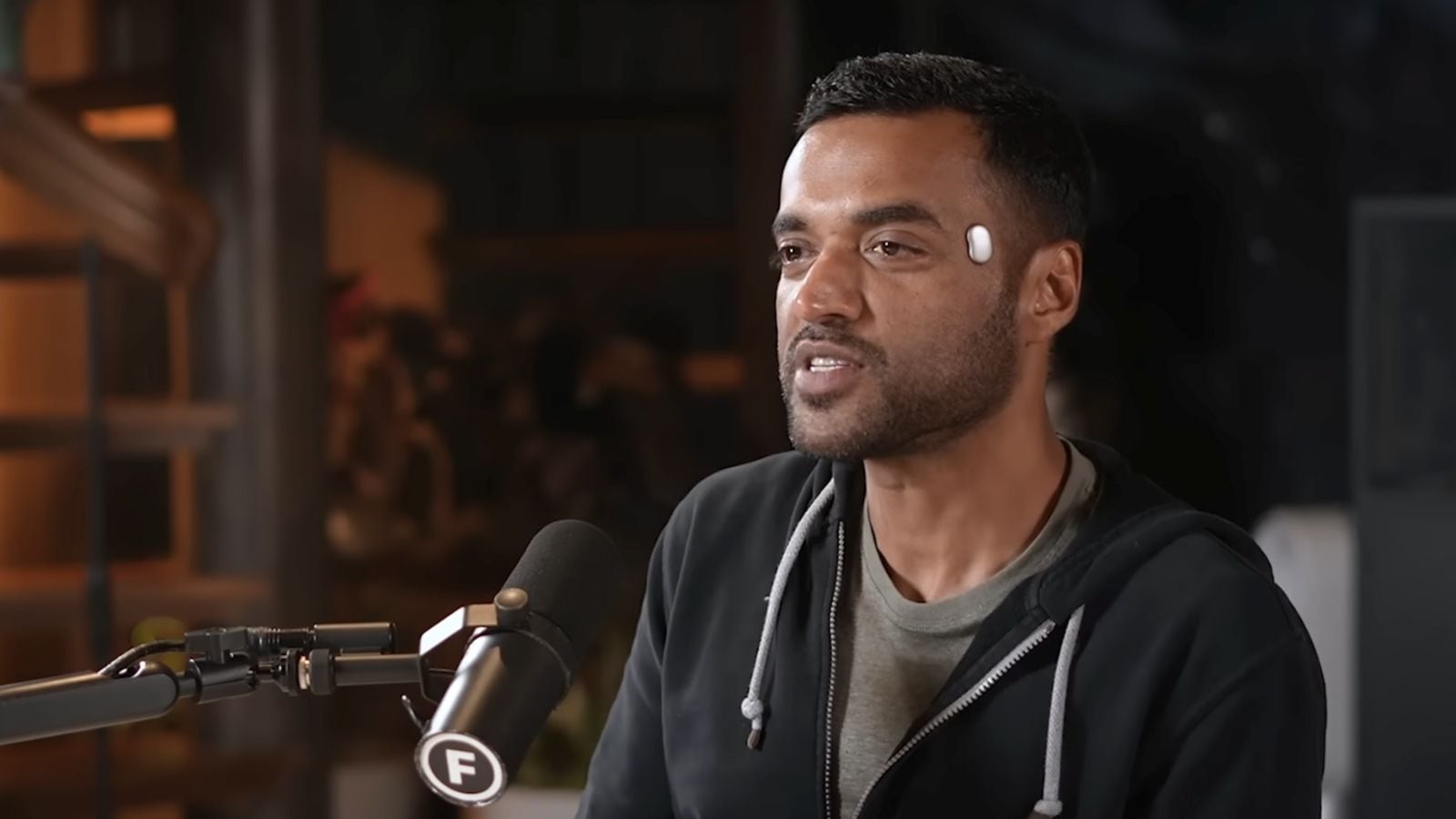
Zomato Founder Deepinder Goyal Invests $54 Million in Brain-Monitoring Startup Temple
Weeks after stepping down as chief executive of Zomato, entrepreneur Deepinder Goyal is embarking on a novel venture, Temple, a wearable technology startup focused on monitoring brain activity. The company has secured $54 million in a funding round led by Goyal himself, with participation from a group of prominent investors and founders, signaling a significant shift in focus for the food delivery magnate. This move reflects Goyal’s stated interest in “higher-risk exploration and experimentation” beyond the realm of food technology. The funding round values Temple at approximately $190 million post-money, with over 30 employees similarly participating in the investment.
Goyal’s departure from Zomato in January marked the end of nearly two decades of leadership at the company he co-founded in 2008. He handed the reins to Albinder Dhindsa, who also leads Zomato’s quick-commerce arm, Blinkit. Zomato has continued to operate and expand under Dhindsa’s leadership, but Goyal’s new venture demonstrates a clear divergence into the burgeoning field of neurotechnology. The investment in Temple represents a substantial personal financial commitment, alongside backing from established venture capital firms.
Funding Details and Investor Participation
The $54 million funding round for Temple was structured as a “friends-and-family” round, drawing support from founder friends and early investors in Zomato. Regulatory filings indicate that Goyal is the leading investor, with Steadview Capital also playing a key role. Peak XV Partners (formerly Sequoia Capital India), InfoEdge Ventures and Dharana Capital are also participating in the round. Notably, several well-known founders have joined the investment, including Vijay Shekhar Sharma, founder of Paytm; Kunal Shah, founder of CRED; and Nithin and Nikhil Kamath, founders of Zerodha. This diverse group of investors underscores the potential perceived in Temple’s innovative approach to brain monitoring.
Temple’s Technology and Target Market
Temple is developing a high-performance wearable device designed to track cerebral blood flow, offering insights into athletic performance and recovery. Goyal has explained that the device, which is designed to sit on the wearer’s temple, aims to capture data points that conventional wearables currently miss. The company is actively recruiting talent in fields such as embedded systems, neuroscience, and brain-computer interface engineering, indicating a commitment to cutting-edge research and development. Initial reports suggest the device is intended for elite athletes, but the long-term applications of the technology could extend to other areas, such as cognitive performance enhancement and neurological health monitoring.
The Growing Wearables Market and Competition
Temple is entering a competitive wearables market dominated by established players like Whoop, Oura, and Garmin. These companies have spent years refining devices that track sleep, recovery, and overall fitness. Whoop, for example, focuses on strain and recovery metrics for athletes, while Oura specializes in sleep analysis and readiness scores. Garmin offers a broader range of fitness trackers and smartwatches with GPS and heart rate monitoring capabilities. Temple’s success will depend on its ability to differentiate itself through its unique brain-monitoring capabilities and demonstrate a clear value proposition for its target audience. The company faces the challenge of establishing credibility in a field where consumer trust is paramount.
Goyal’s Broader Interest in Health and Longevity
Goyal’s investment in Temple is not his first foray into the health and performance technology space. He previously backed Ultrahuman, an India-based wearable startup focused on metabolic health. In October 2025, he also invested $25 million in Continue Research, a venture dedicated to exploring ways to extend human lifespan. These investments demonstrate a growing interest in technologies that can improve human health and well-being, extending beyond his previous focus on food delivery. This pattern suggests a long-term vision for Goyal, one that prioritizes innovation in areas with the potential for significant societal impact.
The move to focus on brain monitoring and longevity research represents a significant departure from the food-tech industry. While Zomato revolutionized food delivery in India and beyond, Temple aims to tackle more fundamental questions about human performance and health. The success of this venture will likely depend on Goyal’s ability to attract top talent, secure regulatory approvals, and demonstrate the efficacy of Temple’s technology through rigorous scientific research.
The Science Behind Cerebral Blood Flow Monitoring
Monitoring cerebral blood flow (CBF) is a growing area of interest in neuroscience and sports science. CBF is a key indicator of brain activity, and changes in CBF can reflect cognitive workload, emotional state, and neurological health. Techniques like functional magnetic resonance imaging (fMRI) and transcranial Doppler ultrasound are commonly used to measure CBF in research settings. However, these methods are often expensive, cumbersome, and not suitable for real-time monitoring during athletic performance. Temple’s wearable device aims to provide a more convenient and accessible way to track CBF, potentially offering valuable insights for athletes and researchers alike. The accuracy and reliability of the device’s measurements will be crucial for its adoption and acceptance within the scientific community.
The potential applications of CBF monitoring extend beyond athletic performance. Researchers are exploring the use of CBF measurements to diagnose and monitor neurological conditions such as stroke, Alzheimer’s disease, and traumatic brain injury. A wearable device capable of accurately tracking CBF could provide valuable data for early detection and personalized treatment of these conditions. However, it’s critical to note that the technology is still in its early stages of development, and further research is needed to validate its clinical utility.
Temple’s ambitious goals and Goyal’s substantial investment signal a growing interest in the intersection of technology and neuroscience. The company’s success will depend on its ability to navigate the complex challenges of developing and commercializing a novel brain-monitoring technology, but the potential rewards are significant. As the field of neurotechnology continues to advance, Temple could play a key role in unlocking new insights into the human brain and improving human performance and health.
As Temple continues its development and testing phases, further updates on its technology and clinical trials are anticipated. The company’s progress will be closely watched by investors, athletes, and researchers alike, as it seeks to establish itself as a leader in the emerging field of brain-monitoring wearables. The next key milestone for Temple will likely be the release of initial data from its clinical trials and the launch of its first commercial product.
Worth a look