
In the wake of intense confrontations between law enforcement and demonstrators at the Delaney Hall detention facility in Newark, New Jersey, significant questions regarding police conduct and the escalation of protests have moved to the forefront of public discourse. These incidents, which saw local and state police manage evolving security challenges at the site, have sparked a broader debate over the balance between public order and the right to peaceful assembly, drawing scrutiny from both government officials and civil rights advocates.
The situation at the Newark facility, which has been a focal point for immigration detention protests, highlights the growing friction between law enforcement agencies tasked with maintaining site security and activist groups coordinating demonstrations. As authorities look to stabilize the area, the events have prompted a re-examination of tactical responses and the underlying tensions surrounding immigration policy enforcement in the state.
The Evolving Security Landscape in Newark
The demonstrations at Delaney Hall have frequently involved coordination among various activist organizations. Reports have indicated that participants often utilize encrypted communication platforms to organize movements and responses during these events. This digital strategy has shifted how law enforcement agencies approach protest management, as authorities attempt to anticipate and mitigate potential disruptions to facility operations.
Following the most recent clashes, state and local officials have begun to adjust their operational posture. Law enforcement agencies, including the New Jersey State Police, have faced calls to justify the force levels deployed during these interactions. According to official statements from state representatives, the primary objective remains the maintenance of safety for both the facility staff and the demonstrators themselves, though critics contend that the response has been disproportionate to the activity on the ground.
Political Scrutiny and Official Responses
The political fallout from the clashes has been swift, with high-profile figures in New Jersey facing intense pressure to address the conduct of law enforcement. U.S. Representative Mikie Sherrill, who represents parts of the area, has publicly addressed the controversy, defending the actions of the state police while acknowledging the gravity of the concerns raised by the public. Her stance has drawn sharp criticism from activists and some community organizers who argue that state leadership has failed to adequately investigate the reports of aggressive tactics used against protesters.
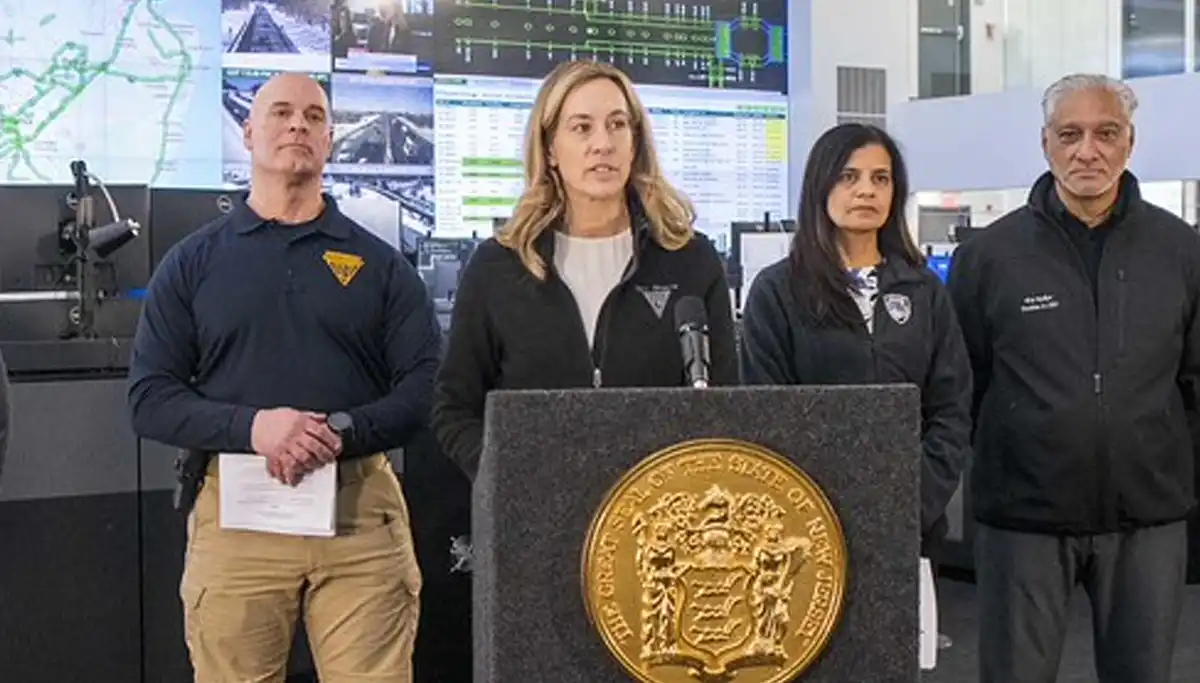
The tension has placed the administration of Governor Phil Murphy in a tough position, as the office faces mounting inquiries regarding the oversight of state troopers during civil unrest. While the Governor’s office has emphasized the need for professional conduct among all law enforcement personnel, the persistence of these clashes suggests that the current strategies for de-escalation are being tested. For a detailed breakdown of state police oversight policies and current internal investigations, citizens can refer to the New Jersey Attorney General’s Use of Force Policy, which serves as the governing framework for these interactions.
Addressing Transparency and Accountability
At the heart of the ongoing debate is the question of transparency. As the public demands more information regarding the decision-making processes that led to the deployment of specialized units, the lack of immediate, comprehensive reports from law enforcement has fueled frustration. Accountability remains a central theme, with legal experts noting that the intersection of federal facility security and state-level policing creates complex jurisdictional challenges.
Moving forward, the focus is expected to shift toward potential legislative hearings or independent reviews of the events. Stakeholders are currently monitoring for updates from the New Jersey Office of the Attorney General, which holds the authority to investigate allegations of police misconduct. For those seeking to stay informed on official developments, the New Jersey Office of the Attorney General provides ongoing updates regarding investigations and public guidance on civil rights protections.
As the situation remains fluid, observers are watching to see if new protocols for protest management will be implemented to prevent future escalations. The events at Delaney Hall stand as a stark reminder of the complexities involved in policing public expression in an era of heightened political sensitivity and digital organization.
Next Steps and Public Engagement
The next major checkpoint for this evolving situation will likely involve upcoming legislative sessions in Trenton, where lawmakers are expected to debate the oversight of law enforcement during public demonstrations. Activists have signaled their intent to continue monitoring the facility, indicating that the potential for further interactions between police and demonstrators remains high. We will continue to track these developments as official statements and investigative findings become available.

What are your thoughts on the balance between facility security and the right to protest? We encourage our readers to share their perspectives in the comments section below and to stay updated by following our dedicated coverage of regional policy and civil affairs.
Related reading