
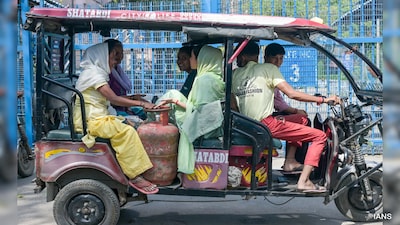
Commuters in India’s capital are facing a shift in their daily travel costs as the city’s ubiquitous electric rickshaws move toward a price adjustment. In a move aimed at aligning transport costs with current economic realities, a proposal has been set to increase the minimum fare for e-rickshaw rides in New Delhi.
The decision comes from the Federation of Electric Vehicles, which has determined that the minimum fare should be raised to ₹20. This adjustment is intended to provide relief to drivers who have operated under a stagnant pricing structure for over a decade, even as the cost of living and vehicle maintenance has climbed.
For millions of residents who rely on these battery-operated vehicles for “last-mile connectivity”—the crucial journey between major transit hubs like Metro stations and their final destinations—the Delhi e-rickshaw fare hike represents a tangible increase in the cost of urban mobility.
The Push for Fair Pricing
The Federation of Electric Vehicles argues that the price revision is a necessary response to persistent inflation. According to Anuj Sharma, the Chairman of the Federation, the pricing for e-rickshaws has remained unchanged since the services were first introduced to the city’s streets around 2010. The federation has proposed the ₹20 minimum fare to ensure the sustainability of the profession for thousands of drivers.

The Federation highlights a significant disparity between e-rickshaws and other hired transport options in the national capital. Sharma noted that whereas e-rickshaw fares have stayed flat for 14 years, fares for traditional auto-rickshaws and taxis have been increased at least twice during the same period to keep pace with inflation and operational costs.
A Decade of Stagnation in Transport Costs
The introduction of e-rickshaws in 2010 revolutionized short-distance travel in Delhi, offering a quieter, more environmentally friendly alternative to petrol-powered autos. However, the lack of a formal fare revision mechanism has left many drivers struggling with shrinking margins.
The current proposal to set a minimum fare of ₹20 per ride is designed to create a baseline that protects the driver’s income regardless of the shortness of the trip. This is particularly significant for drivers who spend significant time navigating congested residential colonies and narrow lanes where high-volume, short-distance trips are the norm.
Impact on Delhi’s Last-Mile Connectivity
The shift in pricing is expected to ripple through the daily routines of Delhi’s working class and students. E-rickshaws have turn into the primary bridge between the Delhi Metro—one of the world’s largest rapid transit systems—and the doorsteps of commuters. Any change in this pricing structure directly impacts the daily budget of the city’s most frequent travelers.
While the increase may be seen as a burden by passengers, the Federation maintains that it is a matter of economic survival for the operators. The rise in the cost of battery replacements and electricity charging has further pressured the earnings of those operating these vehicles.
Key Details of the Fare Revision
| Vehicle Type | Fare Status Since 2010 | Proposed/Current Change |
|---|---|---|
| E-Rickshaw | Stagnant (No change) | Minimum fare to ₹20 |
| Auto-Rickshaw | Increased twice | Market-adjusted |
| Taxi/Cabs | Increased twice | Market-adjusted |
As the city continues to grapple with pollution and the necessitate for green energy, the stability of the e-rickshaw ecosystem is vital. Ensuring that drivers can earn a living wage is key to maintaining the fleet that helps reduce the reliance on private internal combustion engine vehicles for short trips.

The next step for the implementation of these fares involves coordination with local transport authorities to ensure the new minimums are recognized and adhered to across the city’s various zones. Commuters are advised to stay updated via official transport notifications regarding the exact date the new minimum fare takes effect.
Do you think the fare increase is justified given the inflation since 2010? Share your thoughts in the comments below or share this article with other Delhi commuters.