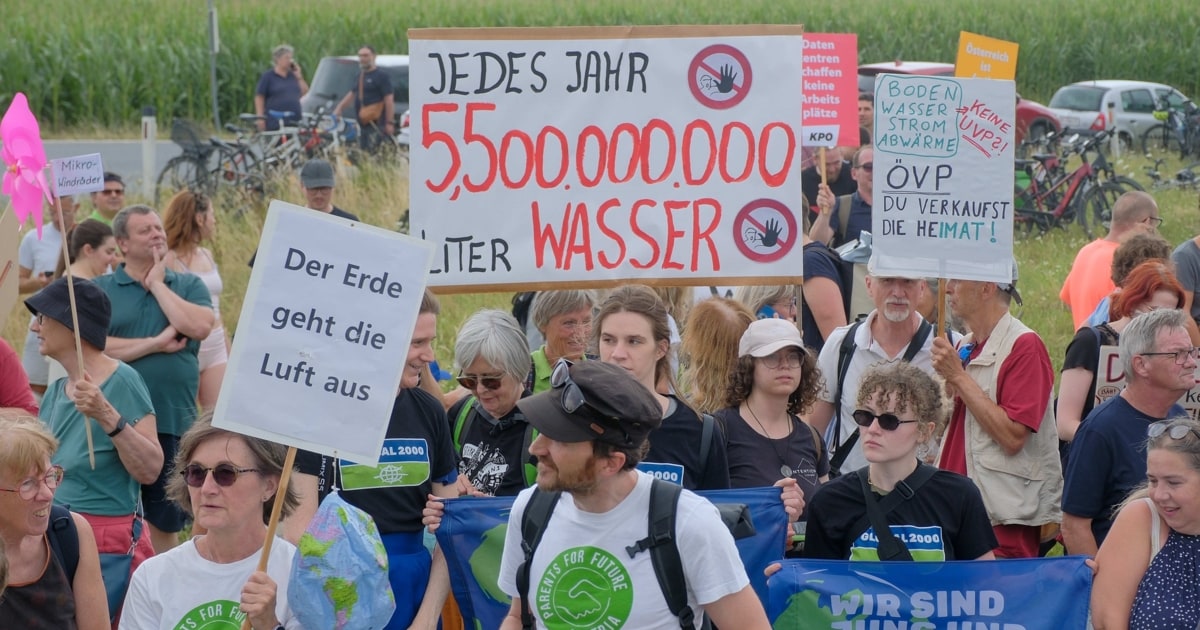
Protesters gathered in Kronstorf, Austria, on Friday to voice opposition to the construction of a Google data center, citing concerns over environmental impact and resource consumption. Approximately 100 participants joined the demonstration at the site, where a local citizens’ initiative is calling for greater transparency and stricter oversight regarding the project’s long-term consequences for the region.
The demonstration highlights a growing friction between global technology infrastructure expansion and local community interests. As Google continues to scale its cloud computing capacity to support artificial intelligence and search services, data centers have become flashpoints for debates over water usage, electricity demands, and land development. For residents of Kronstorf, the primary concern remains how such a massive industrial footprint fits into the local environment and what specific trade-offs the community is being asked to make.
The Scope of the Kronstorf Project
The Kronstorf site is part of Google’s broader strategy to bolster its data infrastructure in Europe. The company announced plans for this facility several years ago, aiming to capitalize on the region’s connectivity and energy availability. According to official statements from Google, the company invests in data centers to ensure “reliable, high-speed access” to its suite of digital services. However, the scale of such facilities—often requiring significant power for cooling and server operation—frequently leads to intense scrutiny from local planning commissions and environmental groups.
In Austria, industrial projects of this magnitude are subject to rigorous environmental impact assessments (EIA). These processes are designed to evaluate potential risks to groundwater, air quality, and local biodiversity. The citizens’ initiative in Kronstorf argues that despite these assessments, the cumulative impact of the data center on the local ecosystem and the regional grid has not been sufficiently addressed. They contend that the economic benefits—often cited by the company and local government as job creation and tax revenue—do not outweigh the potential long-term strain on public infrastructure.
Community Concerns and Environmental Demands
The core of the local protest centers on the “profit versus consequences” narrative. Organizers of the demonstration argue that while a multinational corporation reaps the financial rewards of high-compute digital services, the local population in Kronstorf is left to manage the environmental “consequences,” such as heat discharge, noise pollution, and high electricity consumption. This sentiment is not unique to Austria; similar protests have occurred near Google data center sites in other parts of the world, including in the United States and Northern Europe.

A key demand from the citizens’ initiative involves greater accountability for energy efficiency and resource management. The group has called for more detailed public reports on how the facility will manage its water consumption, particularly given the increasing frequency of droughts in Central Europe. While Google has committed to carbon-neutral operations in many of its global facilities, critics argue that “carbon neutrality” does not account for the massive physical resources required to build and maintain the massive server farms themselves.
Regulatory and Legal Framework
Data center developments in Austria must comply with both national laws and European Union directives regarding environmental protection and energy use. The Austrian Federal Ministry for Climate Action, Environment, Energy, Mobility, Innovation and Technology oversees the regulatory environment for such large-scale infrastructure projects. These frameworks require developers to demonstrate that they are minimizing their footprint, yet local activists often argue that the regulations are too permissive, allowing companies to bypass more stringent local protections.

The legal battle in Kronstorf remains ongoing, with the citizens’ initiative utilizing existing administrative law to challenge specific aspects of the construction permits. For the residents, the next steps involve attending upcoming municipal planning meetings and participating in further public consultations. These forums serve as the primary venues for the public to influence the conditions under which the facility operates.
What Happens Next
As the construction at the Kronstorf site proceeds, the attention of the community is shifting toward the next phase of the project’s lifecycle. Official updates on the construction schedule and environmental monitoring reports are expected to be released by the project stakeholders in the coming months. The citizens’ initiative has indicated it will continue to monitor these filings to ensure that all conditions stipulated in the environmental permits are being met.
The situation in Kronstorf serves as a case study for the tech industry’s “physical” footprint. As we move further into an era defined by AI-driven workloads, the demand for data centers will only increase. Whether the industry can successfully balance its need for rapid infrastructure deployment with the growing demands for local accountability and environmental sustainability remains a central question for global tech leaders and regional regulators alike.
Residents and interested parties are encouraged to monitor the official website of the Municipality of Kronstorf for announcements regarding public hearings, environmental audit results, and future project milestones. Community engagement remains a critical component in shaping how these digital giants integrate into the local landscape.
Worth a look