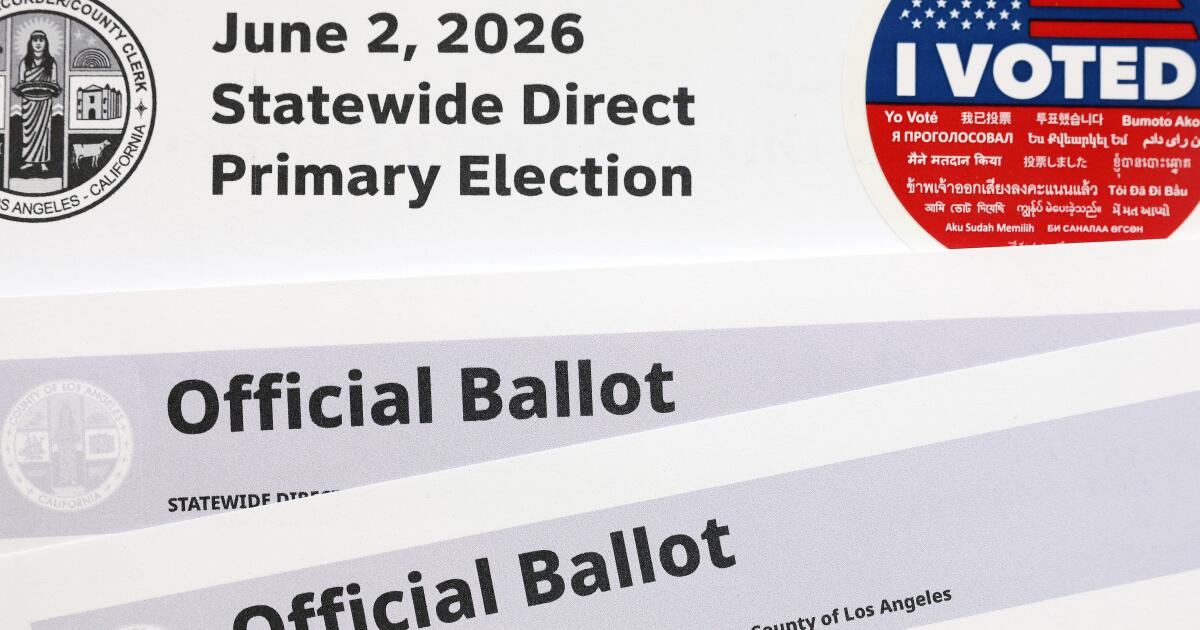
As the political landscape shifts toward the general election cycle, the behavior of the electorate remains a primary focus for analysts and campaign strategists alike. In many jurisdictions, the progression of top-tier candidates through primary stages creates a unique dynamic, often leading voters to adopt a “wait and see” approach as they evaluate which contender is best positioned to secure victory in the final contest. This period of deliberation is a common feature of democratic processes, particularly in races where the ideological divide remains fluid or where party-leaning voters are seeking a clear signal of momentum.
For voters navigating these choices, understanding the mechanics of how late-stage ballots are cast and processed is essential. The process of casting a ballot—whether through early voting, mail-in systems, or traditional polling station attendance—is governed by state-specific statutes that define deadlines and verification protocols. According to the U.S. Election Assistance Commission, which provides comprehensive resources on federal election administration, these procedures are designed to ensure both accessibility and the integrity of the count. Voters are encouraged to consult official state election websites to confirm their specific registration status and local polling hours.
Understanding the Mechanics of Primary Outcomes
When multiple candidates advance from a primary, the resulting environment often leads to a recalibration of campaign resources. Political analysts frequently note that voters in these scenarios may withhold their final commitment until they have a clearer picture of candidate viability. This phenomenon is not merely a matter of voter hesitation; it is often a strategic response to the political climate. The role of the electorate in these final stages involves a careful assessment of candidate platforms, recent public debates, and the broader implications for local or national governance.
The impact of this voter behavior on the final count is significant. Late-cast ballots—often referred to as “down-ballot” or late-arriving mail-in votes—can sway the outcome of tight races. Election officials must balance the need for timely results with the legal requirement to process every eligible ballot. As outlined by the National Conference of State Legislatures, state laws regarding the timing of mail-in ballot receipt and postmarking vary widely, which can influence how quickly an election is called. Understanding these administrative nuances helps clarify why some races remain undecided for days or even weeks after the initial polls close.
The Evolving Role of the Modern Electorate
The decision-making process for the modern voter is increasingly influenced by digital information access. With real-time updates available through official portals and verified news outlets, the gap between the act of voting and the final tally is often filled with public discourse and speculation. However, the true measure of a primary’s outcome rests on the certified results provided by bipartisan canvassing boards. These boards are tasked with verifying that each ballot was cast in accordance with state laws, a process that ensures the final count reflects the collective voice of the constituency.
For those looking to stay informed, the most reliable information is found through official government channels. The USA.gov voting guide serves as a primary resource for citizens to verify their polling locations and track the status of their ballots. Relying on official documentation rather than anecdotal speculation is the most effective way to participate in the democratic process with confidence. As the current election cycle continues, the focus remains on the adherence to these established procedures, which serve as the bedrock of election transparency.
What Happens Next: Key Checkpoints
The trajectory of an election is marked by specific, legally mandated checkpoints. These include the deadline for voter registration, the commencement of early voting, and the official certification of results by state authorities. Each of these milestones provides a moment of clarity for the electorate and the candidates alike. As we move closer to the general election, stakeholders should monitor their local county clerk or secretary of state’s office for the most current information regarding upcoming ballot deadlines and candidate filings.
Staying engaged in the process requires a commitment to sourcing information from authoritative, non-partisan entities. By focusing on verified data and established timelines, voters can better understand the significance of their individual ballot and its role in the democratic framework. We encourage our readers to participate in the conversation by reviewing their local election guidelines and ensuring their registration information is current ahead of the next scheduled election event. We welcome your thoughts on how your local community is preparing for the upcoming cycle—please share your insights in the comments section below.
Related reading