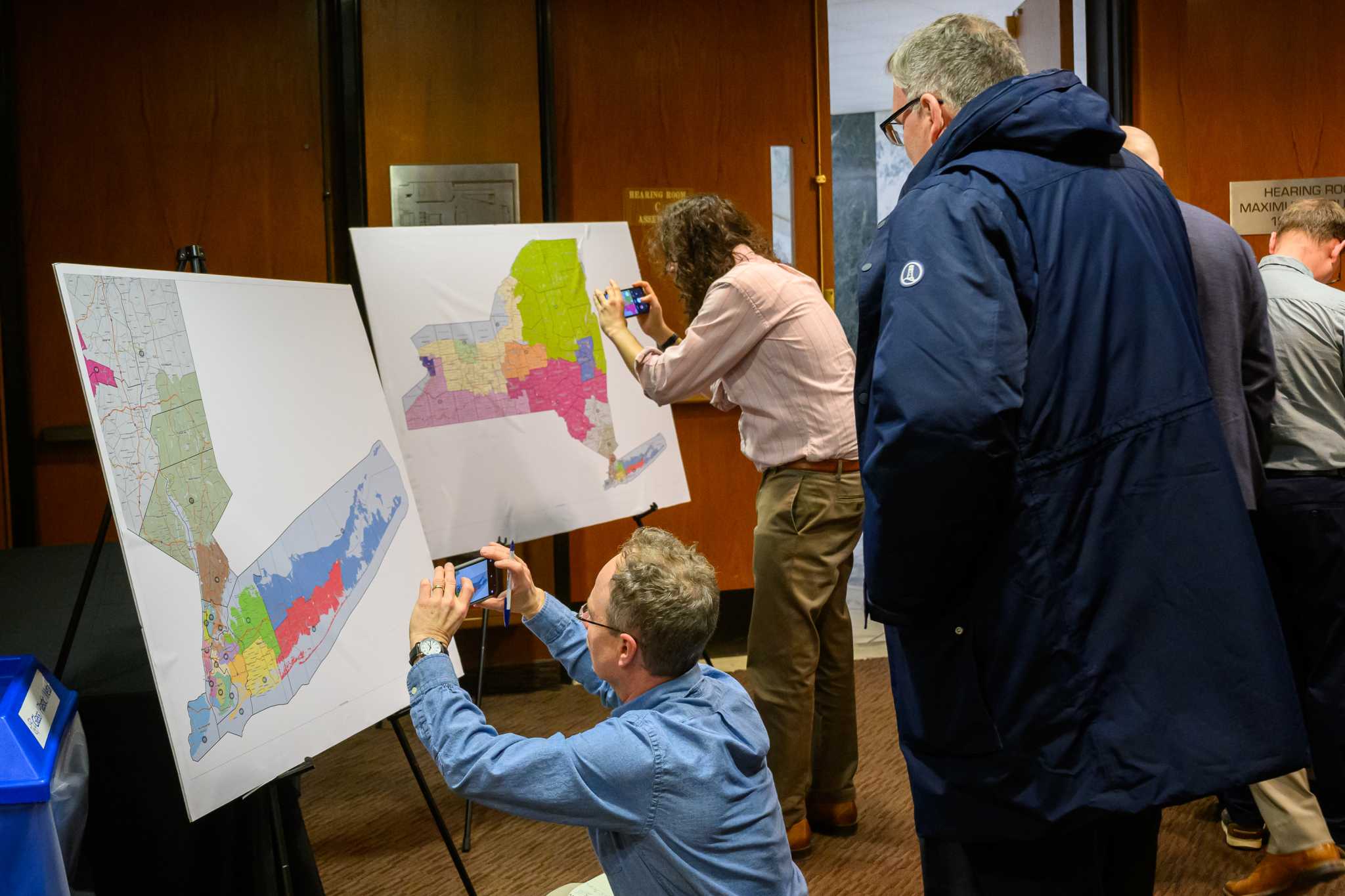
A seismic shift in the American electoral landscape is underway as Democratic strategists move to aggressively redraw congressional maps ahead of the 2028 election cycle. This push for sweeping redistricting plans is not merely a reaction to regional shifts, but a coordinated effort to counter Republican maneuvers and adapt to a fundamentally altered legal environment following recent judicial interventions.
The urgency behind these efforts has intensified following a critical Supreme Court decision on April 30, 2026, which significantly limited the scope of Section 2 of the Voting Rights Act (VRA). While the ruling is expected to have a limited impact on the immediate election cycle, it has unleashed what political analysts describe as a redistricting frenzy, providing a legal opening for both parties to prioritize partisan gain over the preservation of majority-minority districts Punchbowl News.
For Democrats, the strategy is evolving from a defensive posture to one of maximum retaliation. This shift is driven by the belief that the traditional norms of redistricting—such as honoring the VRA by packing minority voters into a few safe seats—are no longer viable or strategic in an era of existential political combat. The goal is now to maximize the total number of Democratic-leaning seats by dispersing voters across multiple districts rather than concentrating them in a handful of majority-minority districts.
This strategic pivot is being led by high-ranking party officials and members of the Congressional Black Caucus, who argue that if Republicans utilize the recent legal precedent to erase minority districts in the South, Democrats must respond in kind within blue states to maintain their legislative majority.
The New York Blueprint: Sidestepping Commissions
New York has become a primary battleground for this redistricting war. State lawmakers are currently advancing legislation designed to sidestep the state’s independent redistricting commission. If successful, this would grant the Democratic-dominated legislature direct control over the map-making process for the state’s 26 congressional districts Punchbowl News.
The effort in New York is part of a broader trend where Democrats are seeking to dismantle the very commissions and state laws that previously limited their ability to gerrymander. By regaining full control over the maps, New York Democrats aim to create a more favorable electoral environment that can offset potential GOP gains in other parts of the country.
The legal strategy in New York is particularly complex because the state has its own state-level voting rights acts. However, there is growing concern among legal experts that the Supreme Court’s federal precedent may override these state protections, effectively neutralizing the safeguards that previously protected majority-minority districts in the Northeast.
A National Strategy of ‘Maximum Retaliation’
The scope of these plans extends far beyond New York. Similar efforts to bypass redistricting commissions are underway in Colorado, where the eight-member congressional delegation remains evenly split. Democratic strategists have indicated they may attempt to abolish the redistricting commission in New Jersey to gain more precise control over their maps Punchbowl News.
The philosophy driving these moves is best summarized by the sentiment that these are not normal times
. House Minority Leader Hakeem Jeffries has been vocal in his pressure campaign, urging Democratic state legislators to act decisively. The strategy involves identifying “targets for gerrymanders” in response to renewed GOP pushes, particularly in states like Texas, where Republicans have sought to redraw maps mid-decade to net additional House seats.
The Congressional Black Caucus (CBC) has also shifted its internal posture. During discussions following the April 30 ruling, some members expressed a willingness to prioritize overall Democratic seat totals over the strict preservation of Black-majority districts. Representative Terri Sewell (D-Ala.) highlighted the scale of the opportunity, suggesting that aggressive redistricting in states like California and Illinois could potentially eliminate Republican representation in those states entirely Punchbowl News.
Key Strategic Shifts in the 2028 Plans
- From Packing to Spreading: Moving away from “packing” minority voters into single districts to “spreading” them across multiple districts to create more Democratic-leaning seats.
- Commission Dismantling: Actively seeking legislative workarounds to remove independent redistricting commissions in New York, New Jersey, and Colorado.
- Symmetric Response: Adopting a “scorched earth” policy where Democratic map-making mirrors the aggressive partisan tactics used by Republicans in the South.
- Statehouse Focus: Prioritizing the flipping of state legislatures in Pennsylvania and Minnesota to gain the authority needed for 2028 redistricting.
What This Means for the 2028 House Majority
The outcome of this redistricting war will likely determine the control of the U.S. House of Representatives for the next decade. If Democrats successfully implement these sweeping plans in blue states, they could potentially offset the loss of seats in the South, where the Supreme Court ruling provides a clear path for red states to erase minority districts in Alabama, Georgia, Louisiana, Mississippi, South Carolina, and Texas Punchbowl News.

This creates a high-stakes “arms race” where the party that most effectively utilizes the new legal landscape will hold a significant advantage. The risk, however, is a further erosion of minority representation in Congress. By dispersing minority voters to create “lean-Democratic” seats, the party may increase its overall numbers while reducing the number of lawmakers from underrepresented communities.
Representative Gregory Meeks (D-N.Y.) acknowledged this tension, noting that while Democrats have historically avoided these tactics, the current political climate may make them necessary: But if they seek to do it, OK, we’re going to do it, too
Punchbowl News.
Looking Ahead: The Next Checkpoints
The battle for the 2028 maps is only in its early stages. The immediate focus for Democrats will be the upcoming statehouse elections this fall, as gaining full control in key states like Pennsylvania and Minnesota is essential for executing these redistricting plans.
Simultaneously, the legal fight in New York will continue as the legislature attempts to finalize the laws that would sidestep the redistricting commission. The next major checkpoint will be the formal introduction and vote on these legislative workarounds in the New York State Capitol, which will set the precedent for other blue states to follow.
World Today Journal encourages readers to share this report and join the conversation in the comments below regarding the impact of redistricting on democratic representation.
Related reading