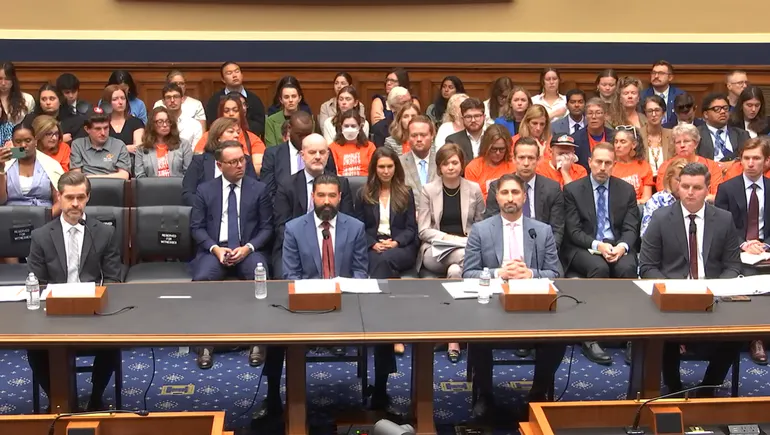
Democratic members of the House subcommittee hearing Thursday challenged federal officials regarding the implementation of Medicaid program integrity initiatives, arguing that state-level funding deferrals have disproportionately targeted states governed by Democrats. The hearing highlighted a partisan divide over how the administration enforces compliance and manages taxpayer dollars.
Federal representatives engaged in an exchange over the scope of recent audits and financial withholdings. The Trump administration says its war on fraud applies to the entire country. But only blue states have had their Medicaid funding threatened or deferred, Democrats argued in a House subcommittee hearing Thursday. According to records discussed during the hearing, the committee is currently reviewing specific instances where federal authorities deferred or threatened to withhold reimbursements, citing concerns over state-level financial reporting and program eligibility verification procedures.
The Debate Over Medicaid Program Integrity
The core of the dispute rests on the definition and application of “program integrity”—a federal mandate requiring states to ensure that Medicaid expenditures are accurate and that beneficiaries meet eligibility criteria. Democratic lawmakers contend that the current administration is utilizing these oversight mechanisms as a punitive tool rather than a neutral accounting measure.
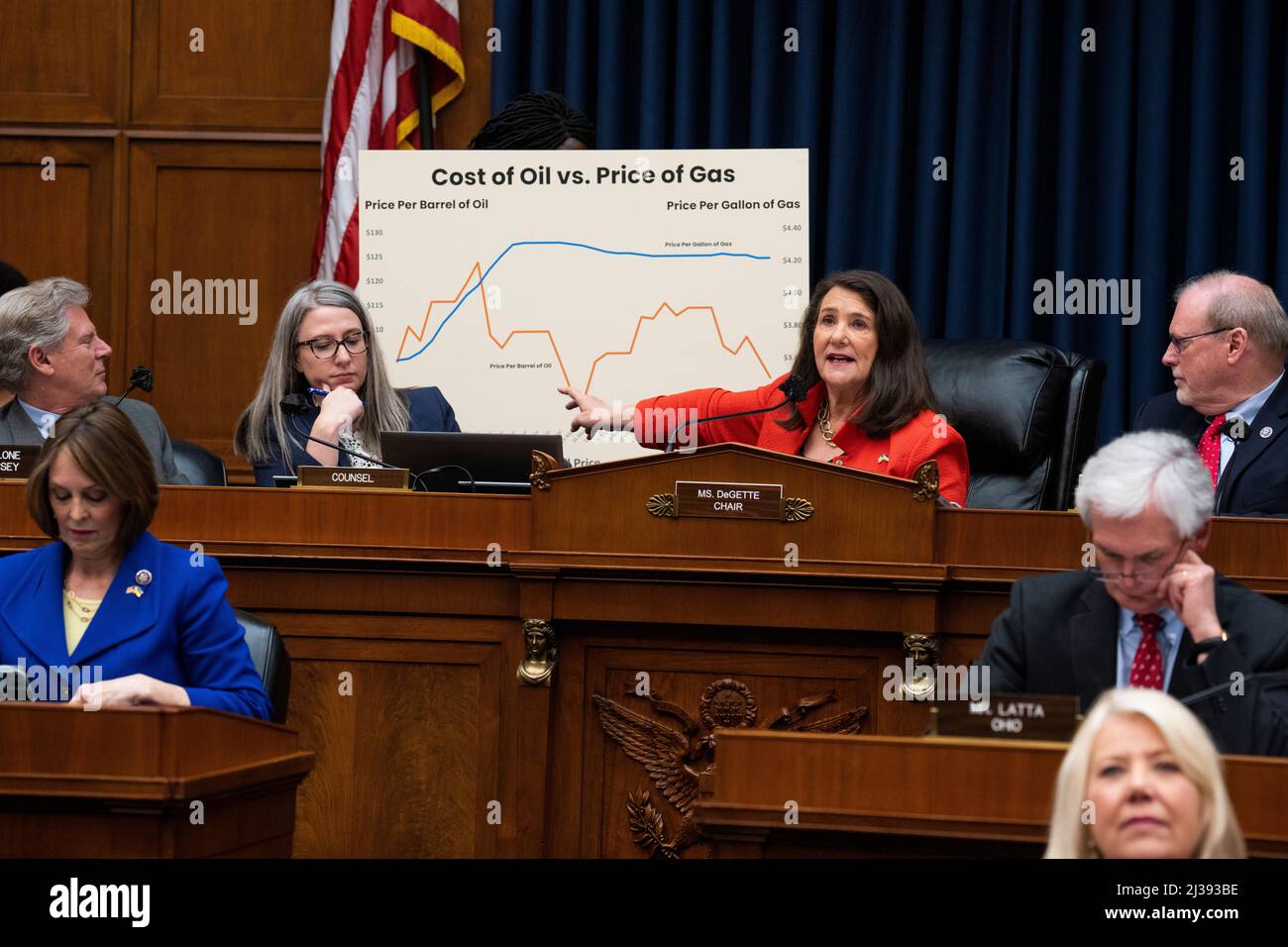
Diana DeGette, the ranking member of the subcommittee, suggested that the pattern of federal actions indicates a selective enforcement strategy. “We are seeing a consistent trend where states with different political alignments face significantly different levels of scrutiny,” she noted during the proceedings. In response, witnesses representing the administration testified that all states are subject to the same oversight criteria, emphasizing that federal law provides limited discretion when significant reporting gaps are identified.
Geographic Disparities in Funding Deferrals
The contention that blue states have faced the brunt of funding deferrals centers on recent actions taken against Medicaid programs. According to testimony provided by state health officials, these jurisdictions received notices of potential funding holds tied to administrative disputes over data reporting formats and eligibility renewal documentation. These states argue that the federal demands were either technically impossible to meet within the provided timeframes or represented a departure from established historical guidance.
Federal officials countered these claims by pointing to initiatives launched in 2023, which aimed to modernize oversight tools and improve the accuracy of beneficiary enrollment data. Administrators testified that the deferrals were not ideological but were instead the result of mandatory responses to incomplete or inaccurate financial filings. They noted that the agency is legally obligated to withhold federal matching funds when states fail to provide the necessary documentation to verify that expenditures comply with federal statutes.
What Happens Next for State Medicaid Programs
The disagreement over Medicaid funding is expected to continue as the House subcommittee moves toward further oversight actions. Lawmakers have requested additional documentation regarding the specific criteria used to trigger audits and the internal decision-making process for deferring state payments. For health care providers and patients, the primary concern remains the potential for service disruptions should federal funding be permanently withheld or delayed for extended periods.
The next checkpoint in this oversight process involves a follow-up briefing scheduled for late next month. Additionally, state Medicaid directors are preparing a formal response to the subcommittee, detailing the operational impact of the current federal oversight requirements. We encourage our readers to participate in the conversation by sharing their perspectives on the balance between federal accountability and state-level healthcare autonomy in the comments section below.
Keep reading