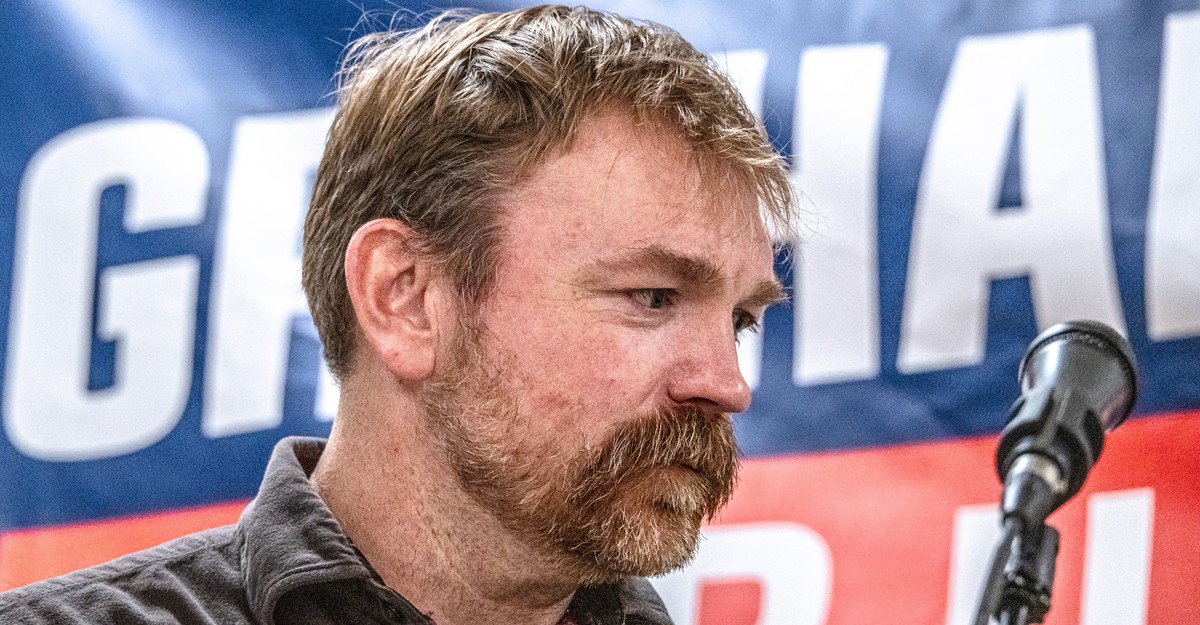
Maine Democratic Senate candidate Graham Platner suspended his campaign on Monday following allegations of sexual assault, creating a significant vacancy in a state race that national Democrats view as a key opportunity to flip a Republican-held seat. Platner, an oyster farmer who had previously faced scrutiny over past social media posts and personal conduct, denied the latest allegations as he withdrew from the contest. His departure leaves the Maine Democratic Party with a July 27 deadline to select a replacement nominee, as reported by state party officials.
The race to replace Platner carries high stakes for the Democratic Party, which needs to secure four additional Senate seats in November to regain a majority. Maine remains a focal point of these efforts, as it is the only state won by Vice President Kamala Harris in the 2024 election that currently features an incumbent Republican, Susan Collins, seeking reelection. Collins, who has held her seat for nearly 30 years, is pursuing a sixth term, though recent polling has indicated a decline in her approval ratings.
The Path to the Democratic Nomination
The sudden exit of the party’s presumptive nominee has triggered an urgent search for a successor. According to state election guidelines, the Maine Democratic Party must finalize a replacement by July 27. Party leadership has indicated they are currently evaluating various selection processes, including a potential convention, a caucus, or a statewide mini-primary, to ensure the outcome is viewed as legitimate by the electorate.

Mark Brewer, chair of the political science department at the University of Maine, noted that the party’s decision-making process will be under intense scrutiny. “The reality is, they have to choose a process that party members will accept as legitimate,” Brewer stated. “If it’s a process that’s perceived as being controlled by the so-called establishment, they won’t go for that.”
Several names have already surfaced as potential contenders. Former state Senate president Troy Jackson has filed paperwork to run for the seat, gaining support from progressive groups such as Our Revolution. Other figures, including former Maine CDC director Nirav Shah, have expressed interest, with Shah emphasizing the need for televised debates and statewide town halls to vet candidates thoroughly.
Grassroots Coalition and Political Challenges
The collapse of Platner’s campaign has left many Democratic supporters searching for a way forward. Platner had successfully built a grassroots coalition that resonated with voters seeking an alternative to establishment politics, a feat managed by advisors previously associated with high-profile insurgent campaigns. However, that coalition’s stability without him remains uncertain.
Political analyst Charlie Cook, based in Maine, described the current situation as a “mulligan” for the party, warning that even with a fresh start, success is not guaranteed. The challenge for Democrats lies in balancing the demands of their base—which has shown a preference for progressive candidates—with the need to appeal to independent voters who may be wary of populism. The party must decide whether to lean into an ideologically aligned progressive or seek a more centrist candidate capable of attracting a broader coalition.
The Legacy of the Senate Race
Susan Collins, 73, has maintained a unique position in Maine politics, often defying national partisan trends. In 2020, she secured a victory against Democrat Sara Gideon by nearly nine points, even as Joe Biden carried the state by a similar margin. As the state party moves toward a replacement, the Republican opposition has already begun framing the vacancy as a reflection of Democratic internal struggles. Senator Tim Scott, chair of the National Republican Senatorial Committee, issued a statement targeting the party’s vetting processes in light of the allegations against the former candidate.

For the Maine Democratic Party, the focus remains on the looming deadline. As leadership prepares to announce the formal process for choosing a new nominee, strategists like David Farmer have stressed the importance of swift, decisive action. “The longer this carries on, the weaker position we will be in come November,” Farmer stated. The party is expected to provide further updates on the nomination process once the formal withdrawal of the previous candidate is processed.
Voters and party members are encouraged to monitor the Maine Democratic Party’s official channels for announcements regarding the upcoming candidate selection process and scheduled public forums.