Navigating the Shutdown: How the SNAP Funding Debate Reveals a Shifting Strategy in Congress
The recent back-and-forth over government funding, and specifically Supplemental Nutrition Assistance Program (SNAP) benefits, highlights a critical shift in strategy from both Democrats and Republicans as the threat of a prolonged government shutdown looms. What began as a unified Democratic front demanding broader concessions has evolved into a targeted approach,capitalizing on Republican divisions. This article breaks down the current situation, explaining why this change occurred and what it means for you.
Why Did the strategy Change?
Initially, Senate Democrats, led by chuck Schumer, aimed too block all funding bills until their demands – including continued Affordable Care Act (ACA) subsidies – were met. However, this all-or-nothing approach proved ineffective.the turning point came when Republican leadership briefly considered, then ultimately rejected, a “rifle shot” strategy.
This strategy involved passing individual bills to fund specific government functions, minimizing the disruption of a full shutdown. Democrats recognized this as an opportunity to apply pressure and frame the narrative. Now, the focus is on forcing Republicans to directly confront the consequences of a shutdown, particularly regarding essential programs like SNAP.
What is the Current SNAP Funding Debate?
The core of the current debate centers on a standalone bill proposed by Democrats to ensure continued funding for SNAP benefits. This move followed Republicans abandoning their ”rifle shot” approach, a decision influenced by concerns about losing leverage in negotiations.
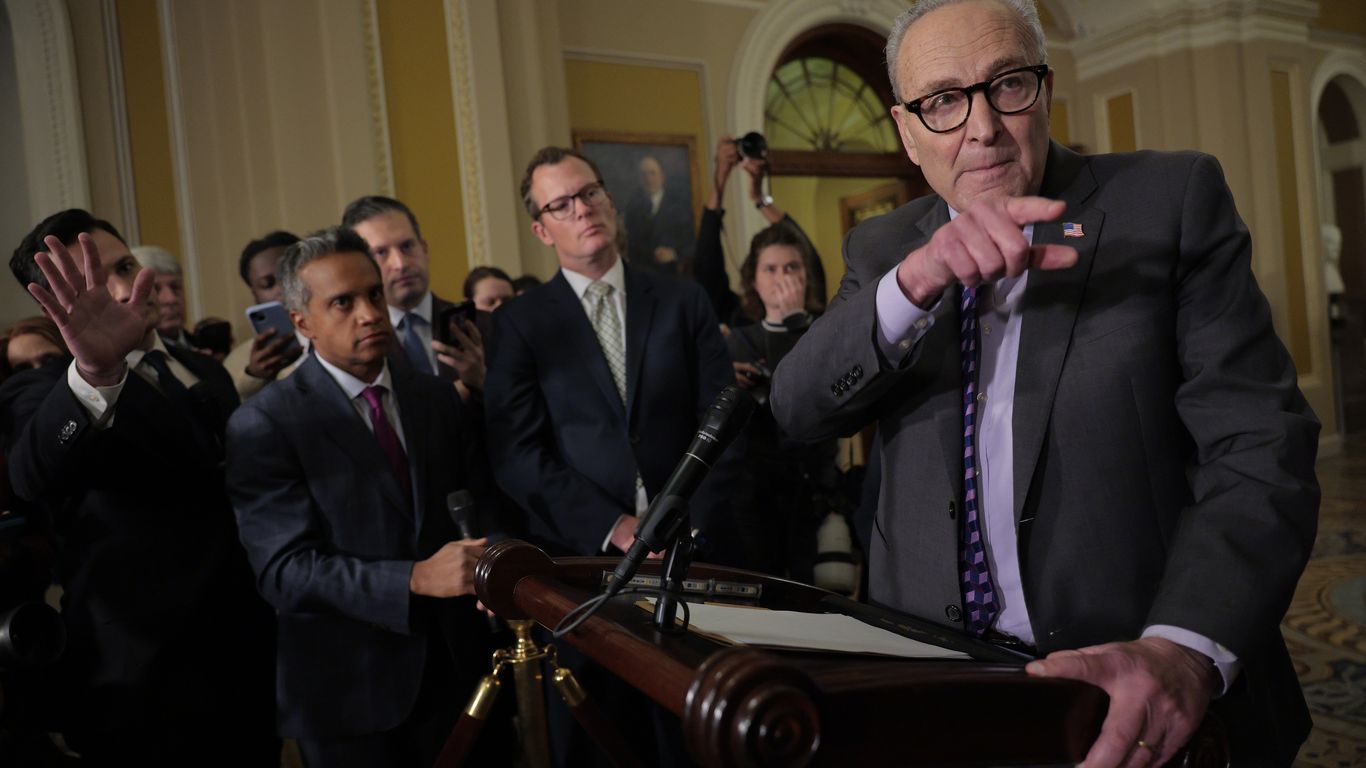
Senator Schumer articulated the Democratic position clearly: “Democrats will introduce a clean, standalone bill today to… keep SNAP benefits flowing.” This isn’t simply about food assistance; it’s about strategically highlighting the human cost of the shutdown.
Key Questions About the Government Shutdown & SNAP
Here are some frequently asked questions, addressing concerns and providing clarity:
1. What does a “rifle shot” funding strategy entail, and why did Republicans abandon it? A “rifle shot” strategy involves bringing individual funding bills to the floor, targeting specific agencies or programs – like the military or air traffic control – to keep them operational during a shutdown. Republicans ultimately rejected this approach as they feared it would weaken their negotiating position by appearing to concede ground.
2. How does the current focus on SNAP funding aim to pressure Republicans? By isolating SNAP funding, Democrats are forcing Republicans to explicitly vote against providing food assistance to vulnerable populations. This creates a political risk for Republicans, allowing Democrats to portray them as uncaring and prioritizing political gamesmanship over the needs of their constituents.
3.What role did Vice President Vance play in the Republican shift away from “rifle shots”? According to reports, Vice President Vance strongly opposed the “rifle shot” strategy during a closed-door luncheon with Republican senators. His firm opposition was a key factor in the decision to abandon the plan, demonstrating internal divisions within the party.
4. If Democrats secure SNAP funding, does that mean the government will fully reopen? Not necessarily. The SNAP bill is a targeted effort, not a extensive solution. Democrats are likely to continue introducing similar bills for other essential services, attempting to chip away at the shutdown’s impact and maintain pressure on Republicans. The ACA subsidies remain a key sticking point.
5. What are the potential consequences of a prolonged shutdown for SNAP recipients? A prolonged shutdown could lead to delays or disruptions in SNAP benefit distribution, impacting millions of Americans who rely on the program for food security. While states have some versatility to provide benefits, funding limitations could quickly become a notable issue.
6. Why did Senator Schumer previously criticize a GOP bill to pay the military and federal workers? Senator Schumer labeled the earlier GOP proposal a “ruse,” arguing it was a tactic to deflect blame and create the illusion of action without addressing the underlying issues driving the shutdown. He emphasized the need to avoid allowing political maneuvering to jeopardize people’s livelihoods.
7. What is the overall goal of the Democrats’ current strategy? The Democrats’ overarching goal is to make Republicans “own” the negative consequences of the shutdown. By focusing on essential programs like SNAP and forcing individual votes, they aim to highlight the human cost and increase public pressure on Republicans to negotiate a resolution.
What’s Next?
Expect Senate Democrats to continue introducing à la carte funding bills in the coming days, targeting other critical services. Senators Cory Booker and Chris Murphy have already voiced strong support for the SNAP bill, emphasizing the urgency of the need.
“We can’t let politics starve
Related reading
- Spokane Wildfires 2026: Devastating Images of the Old Trails Fire Destruction
- Colleagues Honor Deceased Lawyer in Emotional Tribute
- California Top-Two Primaries: Strategic Impact on Congressional Races (world-today-news.com)
- US Senate Pursues Bipartisan Bill to Avoid Shutdown Through Dec. 11 (time.news)