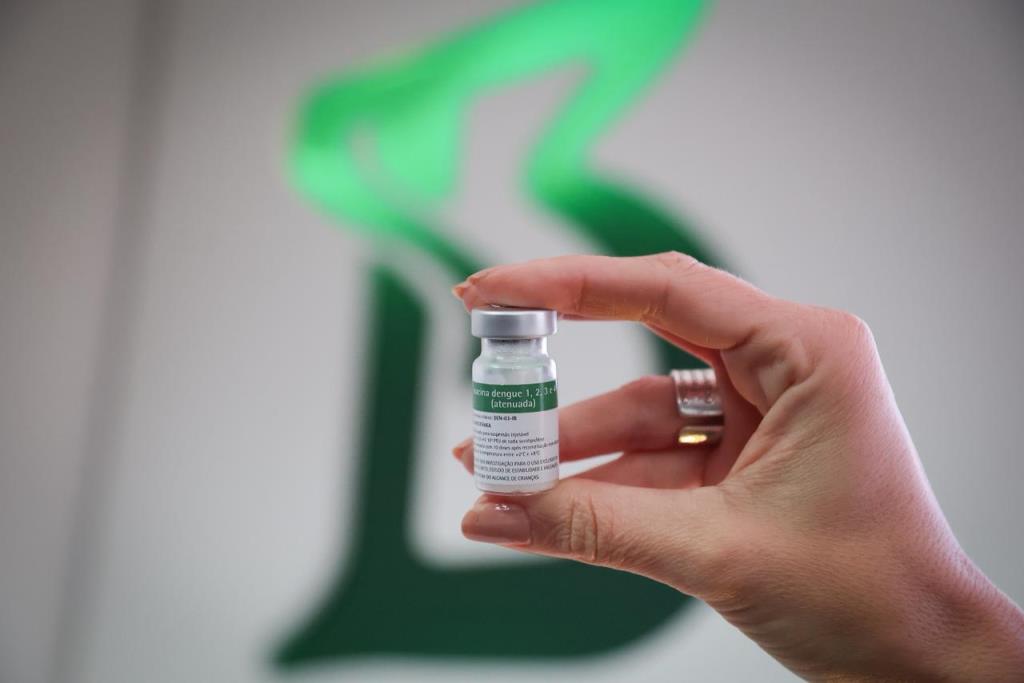
The fight against dengue fever is gaining momentum in Brazil, with expanded vaccination efforts now underway. Building on the success of initial campaigns targeting frontline healthcare workers, authorities are broadening access to the Butantan-DV vaccine, a groundbreaking single-dose formulation developed by the Instituto Butantan. This expansion reflects a growing concern over dengue’s prevalence and a proactive approach to public health protection, particularly as the country heads into peak transmission season.
Dengue fever, a mosquito-borne viral infection, poses a significant public health challenge in tropical and subtropical regions worldwide. Symptoms range from mild fever and muscle aches to severe complications like dengue hemorrhagic fever, which can be life-threatening. Brazil has experienced particularly severe dengue outbreaks in recent years, straining healthcare systems and impacting communities across the nation. The introduction of a domestically produced, effective vaccine represents a crucial step in mitigating the disease’s impact.
Expanding Vaccine Access: A Multi-Phased Approach
The latest developments focus on widening the eligibility criteria for vaccination. While initial rollout phases prioritized Agentes de Combate às Endemias (ACEs) – agents fighting endemic diseases – and Agentes Comunitários de Saúde (ACSs) – community health agents – several municipalities are now extending the vaccine to broader segments of the population. Bragança Paulista, in São Paulo state, began expanding vaccination to novel public groups on Wednesday, April 29th, 2026, according to a local announcement. The Prefeitura de Bragança Paulista has not yet specified which groups are now eligible, but further details are expected shortly.
Campinas, similarly in São Paulo state, announced an expansion of vaccine eligibility starting Monday, May 4th, 2026. According to the Prefeitura de Campinas, the expanded rollout will prioritize additional healthcare workers and potentially other vulnerable populations. The city concluded 2025 having experienced its third-largest dengue epidemic on record, with 45,400 confirmed cases and 27 deaths. This underscores the urgency of preventative measures like vaccination.
The Butantan-DV vaccine is particularly noteworthy as the first dengue vaccine globally requiring only a single dose. This simplifies logistics and potentially increases vaccination rates, making it a valuable tool in controlling the spread of the virus. The vaccine has demonstrated efficacy against all four dengue serotypes (DENV-1, DENV-2, DENV-3, and DENV-4) in clinical trials, offering broad protection against the disease. The Instituto Butantan celebrated the commencement of vaccination with Butantan-DV, emphasizing its role in safeguarding public health.
Sete Barras and Mogi Mirim Strengthen Dengue Prevention
Beyond Bragança Paulista and Campinas, other municipalities are also intensifying their efforts to combat dengue. Sete Barras, in São Paulo state, is reinforcing its preventative measures, focusing on eliminating mosquito breeding sites and promoting community awareness. As reported by G1, the municipality is actively engaged in mosquito control programs and educating residents about preventative measures.
In Mogi Mirim, also in São Paulo state, vaccination has begun for individuals aged 59 and older. Portal da Cidade – Mogi Mirim / SP reports that this expansion aims to protect a particularly vulnerable segment of the population. This tiered approach to vaccination allows for efficient allocation of resources and targeted protection of those most at risk.
The Butantan-DV Vaccine: A Scientific Breakthrough
The development of the Butantan-DV vaccine represents a significant achievement in Brazilian scientific innovation. The vaccine utilizes a live-attenuated virus, meaning it contains a weakened form of the dengue virus that stimulates an immune response without causing illness. This approach has proven effective in inducing long-lasting immunity against all four dengue serotypes. The single-dose regimen simplifies administration and reduces logistical challenges compared to other dengue vaccines that require multiple doses.
The Instituto Butantan has been at the forefront of vaccine development in Brazil for over a century, producing essential vaccines against diseases like yellow fever, polio, and diphtheria. The Butantan-DV vaccine builds on this legacy of scientific excellence and demonstrates Brazil’s capacity to develop and manufacture cutting-edge vaccines to address public health challenges.
Understanding Dengue Transmission and Prevention
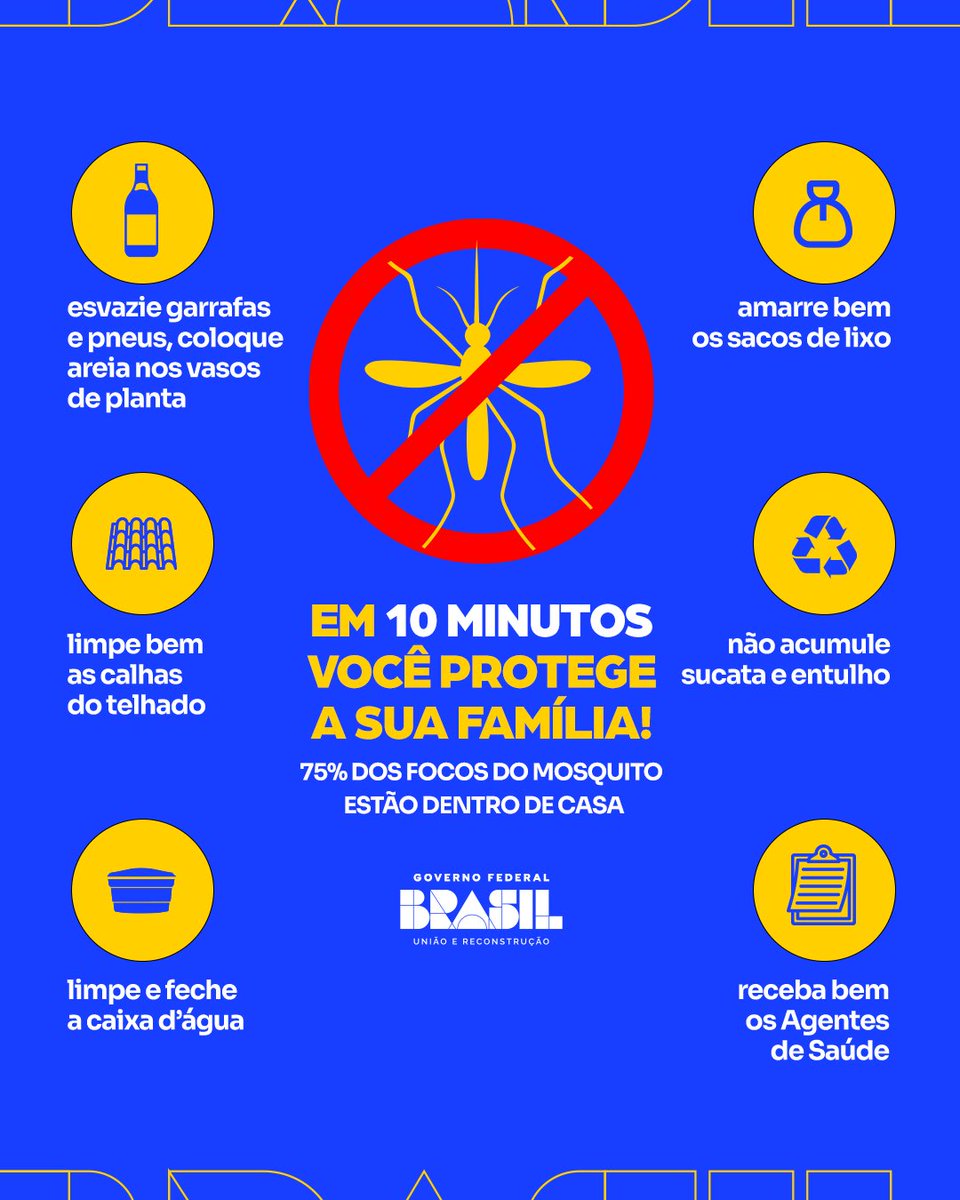
Dengue fever is transmitted to humans through the bite of infected Aedes aegypti and, to a lesser extent, Aedes albopictus mosquitoes. These mosquitoes breed in stagnant water, such as containers, tires, and flower pots. Preventing mosquito breeding is crucial in controlling dengue transmission. Public health campaigns emphasize the importance of eliminating standing water around homes and communities, using mosquito repellents, and wearing protective clothing.
Early diagnosis and supportive care are essential for managing dengue fever. There is currently no specific antiviral treatment for dengue, but prompt medical attention can help alleviate symptoms and prevent complications. Recognizing the warning signs of severe dengue, such as persistent vomiting, abdominal pain, and bleeding, is critical for seeking immediate medical care.
Key Takeaways:
- Vaccination against dengue is expanding in Brazil, with several municipalities broadening eligibility criteria.
- The Butantan-DV vaccine, developed by the Instituto Butantan, is the first single-dose dengue vaccine globally.
- Preventing mosquito breeding and seeking early medical care are crucial for controlling dengue transmission.
- Continued monitoring of dengue cases and ongoing vaccination efforts are essential for protecting public health.
Looking ahead, health officials will continue to monitor the impact of the expanded vaccination campaigns and adjust strategies as needed. Further data on vaccine efficacy and long-term immunity will be crucial in informing future public health policies. The next major update on vaccination progress is expected in mid-June 2026, when the Ministry of Health is scheduled to release preliminary data on vaccination coverage and disease incidence. Readers are encouraged to share their experiences with dengue vaccination and prevention measures in the comments below.
Worth a look