The Enduring Blend of Faiths: Viking-Age Denmark’s Christian and Pagan Beliefs
Recent archaeological discoveries in Denmark are shedding new light on a interesting period of transition – the shift from Norse paganism to Christianity during the Viking age. Excavations at the St. Olaf’s church site reveal a complex picture of belief, where the newly adopted Christian faith coexisted with deeply ingrained Norse traditions. These findings offer a compelling glimpse into the spiritual lives of people navigating a changing world.
Unearthing the Past at St. Olaf’s
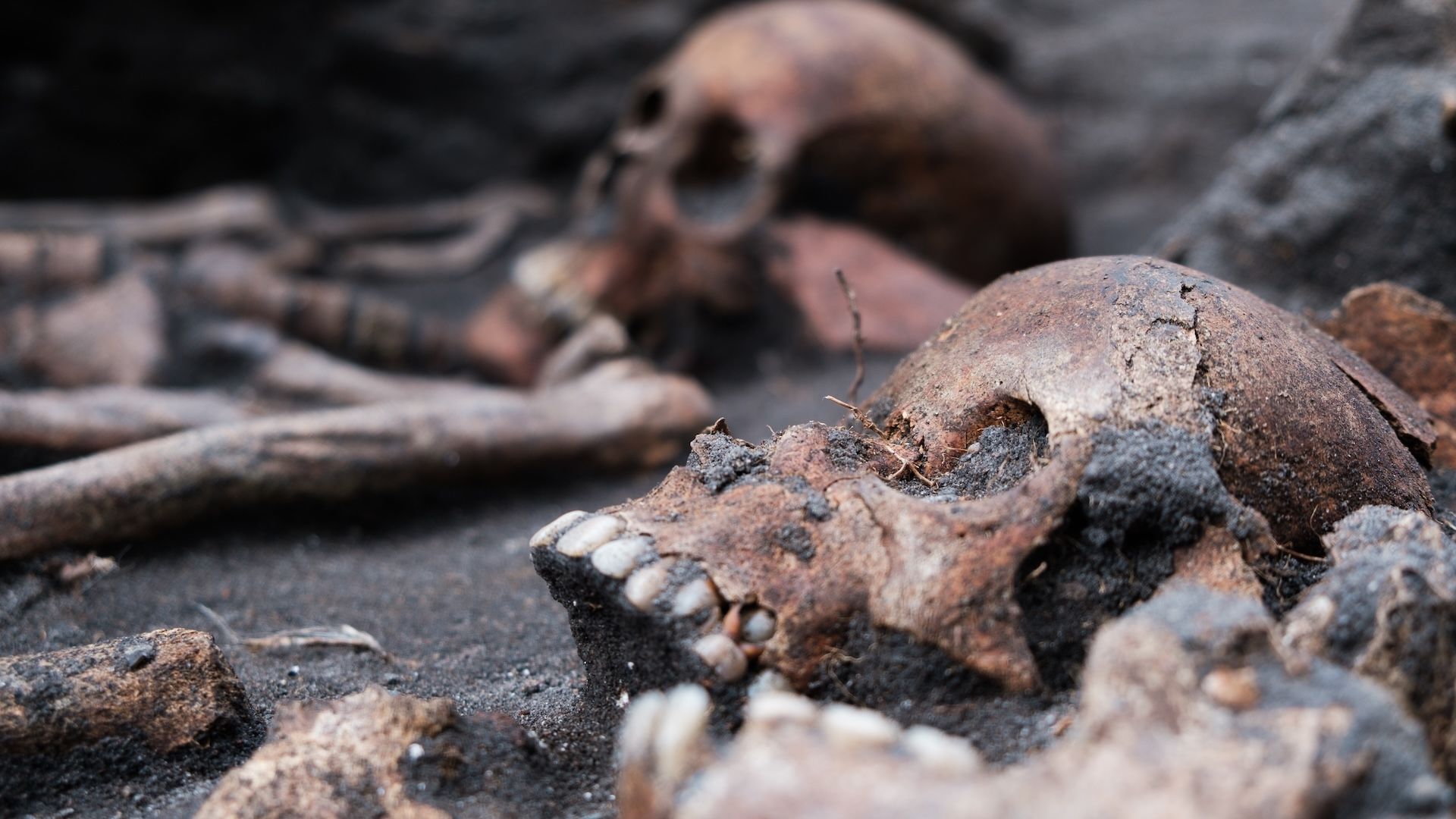
Investigations at St. Olaf’s have uncovered skeletal remains that provide valuable clues about burial practices. The skeletons were consistently oriented with heads facing west and feet towards the east. This positioning aligns with early Christian customs, intended to allow the deceased to witness the anticipated Second Coming of Christ, expected to arrive from the east - the direction of Jerusalem.
However, the story doesn’t end there. It appears that even as Christianity took hold, older beliefs didn’t simply vanish.
A Pragmatic Approach to Spirituality
It’s likely that many Danes during this era practiced a blend of faiths, adopting a pragmatic approach to spirituality. They may have embraced Christianity while simultaneously retaining elements of Norse paganism as a form of insurance or safeguard. Such as,when illness struck,people might turn to both Christian prayers and local healers steeped in Norse traditions.
Consider the symbolism of Thor’s hammer. Amulets shaped like this protective emblem – representing the Norse god Thor – have been found in Christian burials in other parts of scandinavia. While none were discovered at St. Olaf’s, their presence elsewhere speaks to a continued reliance on Norse protective symbols.
Royal Declarations and Persistent Practices
Denmark’s famed Jelling stones offer further insight into this period. Runes inscribed by Harald Bluetooth, a Viking Age Danish king who reigned from approximately A.D. 958 to 986, proclaim his conversion of the Danes to Christianity. This claim dates back to around A.D. 965.
Yet, even Harald himself seemingly engaged with the old ways. He employed a völva – a shaman or witch skilled in Norse pagan ceremonies. This suggests a purposeful “hedging of bets,” a willingness to embrace both the new and the old.
What this Means for You
This archaeological evidence paints a picture of a society in flux. You can see a population grappling with new ideas while holding onto familiar traditions. It’s a reminder that religious transitions are rarely clean breaks. Instead, they often involve a complex interplay of beliefs, practices, and cultural adaptations.
Ultimately, the story of Viking-Age Denmark is a testament to the enduring power of belief and the human capacity to navigate change with both faith and pragmatism. It’s a fascinating window into a time when worlds collided, and a new cultural landscape began to emerge.