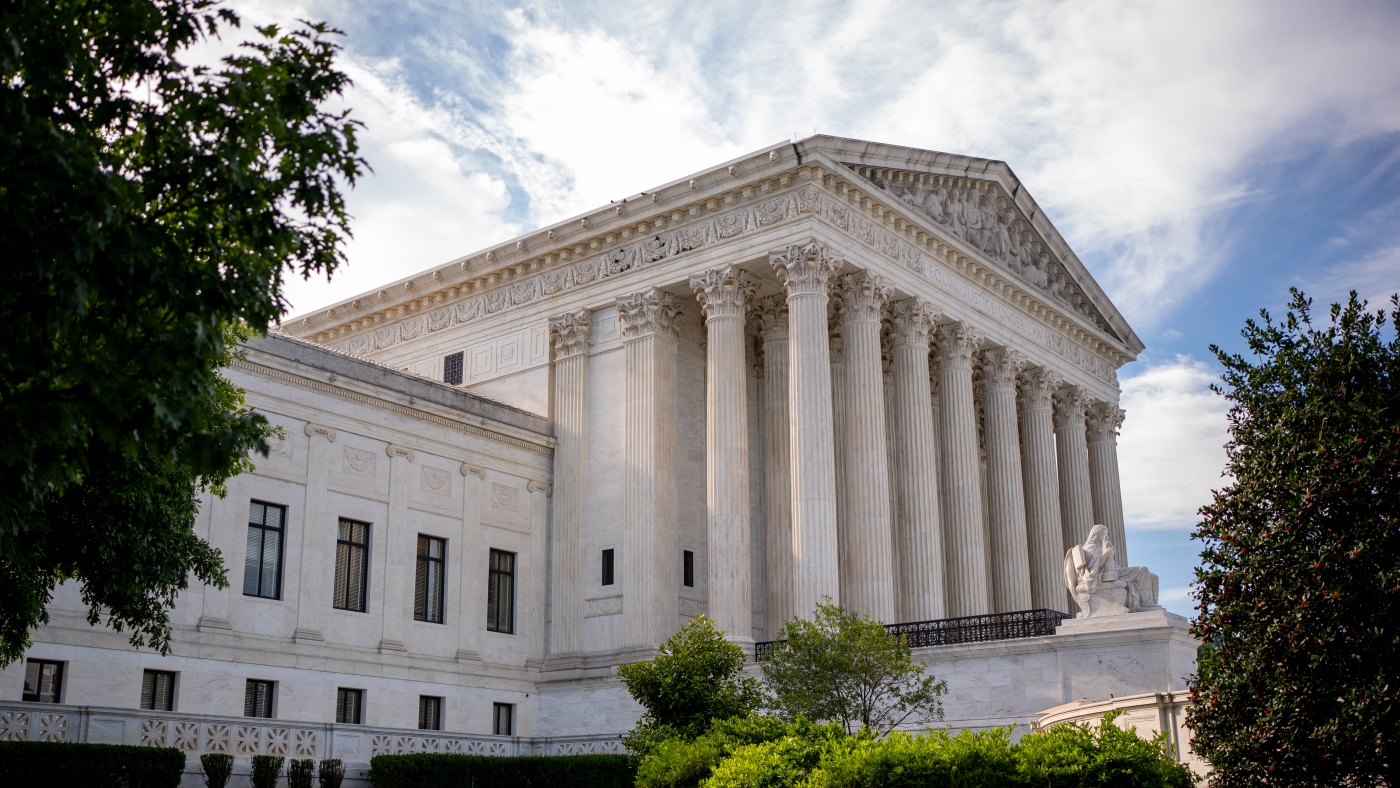
Supreme Court Blocks Trump’s Attempt to Federalize Illinois National Guard
The U.S. supreme Court delivered a notable ruling Tuesday, rejecting the Trump administration‘s effort to deploy National Guard troops to Illinois without the state governor’s consent. This decision marks a rare instance of the conservative-leaning court siding against the President, notably on what are known as “emergency docket” cases.
Here’s a breakdown of the situation, the court’s reasoning, and what it means for the balance of power between the federal government and states:
The Dispute: Federal Authority vs. State Control
The core of the dispute centered on President Trump’s claim that federalizing the Illinois National Guard was necessary to quell violence against Immigration and Customs Enforcement (ICE) agents near detention facilities in the Chicago area. The administration argued this constituted a “rebellion or danger of rebellion” justifying federal intervention.
However, both lower courts – a trial court and a three-judge appeals court panel – disagreed. They found the administration failed to demonstrate a situation warranting such drastic action. This panel included judges appointed by Presidents Trump, George W. Bush, and Barack Obama, highlighting the broad consensus against the administration’s position.
Why the Supreme Court Said No
The Supreme Court’s majority opinion focused on a critical legal principle: the Posse Comitatus Act. This law generally prohibits the use of the U.S. military to enforce domestic laws.
The court found the administration hadn’t adequately explained why the situation in Illinois warranted an exception to this Act. Specifically,the majority stated the government “failed to identify a source of authority that would allow the military to execute the laws in Illinois.”
Essentially, the court wasn’t debating if there was violence, but whether the President had the legal authority to deploy the National Guard in this manner.
Key Takeaways for you
* Limited Presidential Power: this ruling reinforces the limitations on the President’s authority to deploy the military domestically.
* Respect for State Authority: The decision underscores the importance of respecting the authority of state governors over their National guard units.
* Posse Comitatus Act Remains Strong: The Posse Comitatus Act continues to serve as a significant check on federal power.
* Not a Final decision: The case isn’t necessarily closed. It could return to the court after the appeals court hears full arguments and issues a decision. For now, however, the President cannot deploy National Guard troops to Illinois without Governor approval.
Dissenting Opinions & Future Implications
Justices Samuel Alito and Clarence Thomas dissented from the majority opinion. They argued the court overstepped its bounds by addressing the broader legal question of the National Guard’s deployment, rather than simply ruling on the administration’s request for a stay.
Alito specifically argued the President’s inherent constitutional authority to protect federal officers and property should justify the use of the National Guard in this situation.
Justice Brett Kavanaugh filed a concurring opinion, signaling agreement with the outcome but possibly differing on the reasoning.
This case highlights the ongoing tension between federal and state power, particularly in areas like immigration enforcement. It also demonstrates the Supreme Court’s willingness, even with its conservative majority, to uphold established legal principles when it believes the administration has overreached its authority.
Sources:
* Andrew Harnik/Getty Images (Image Credit)
* NPR News Reporting
Worth a look