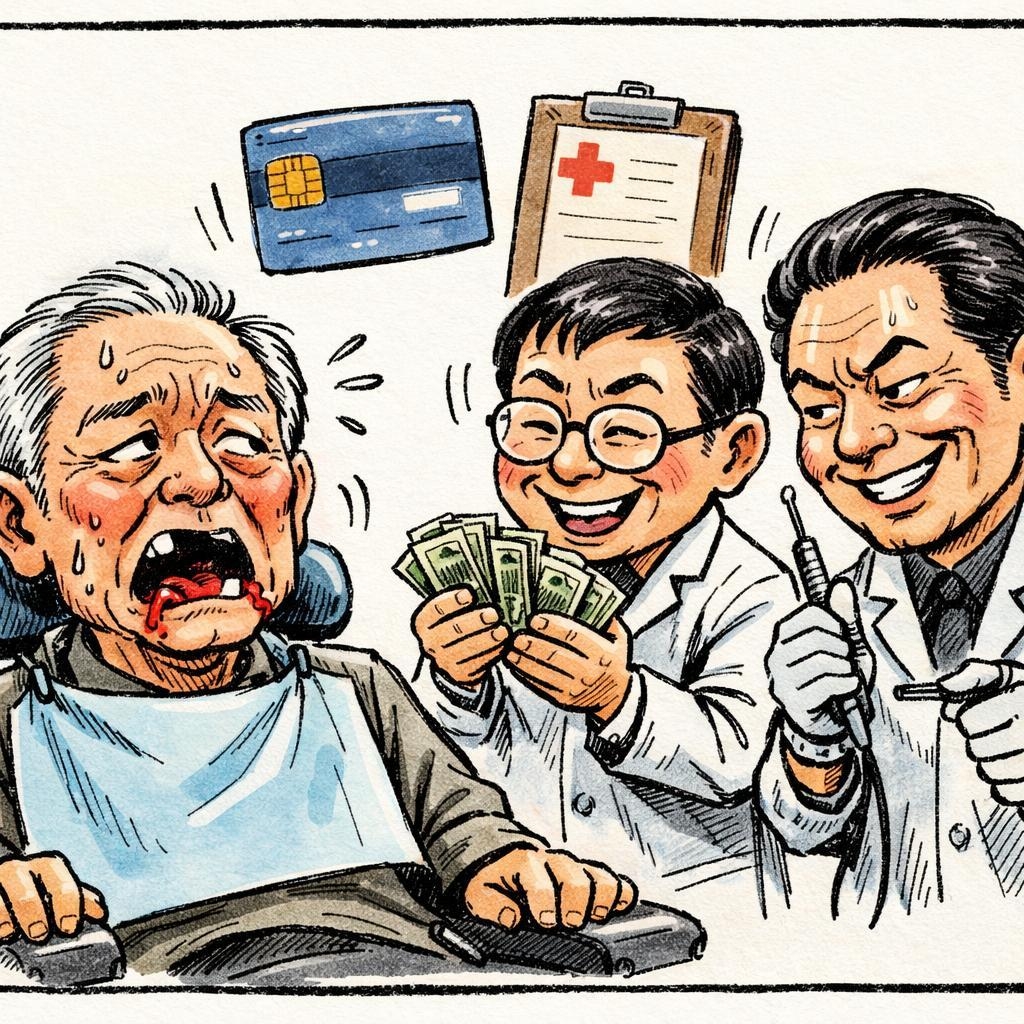
A recent medical dispute in China involving a patient who underwent the extraction of 12 teeth after reporting localized dental pain has sparked widespread public concern regarding clinical transparency and patient consent. The patient, who sought treatment for discomfort, was reportedly charged 4.2 million won—an amount that has sparked controversy—following a procedure that resulted in the removal of 12 teeth. This case has prompted discussions among healthcare observers about the necessity of second opinions and the importance of verifying treatment plans before undergoing invasive dental surgeries.
I have frequently observed that clear communication between a provider and a patient is the cornerstone of safe clinical practice. In situations where a treatment plan involves significant, irreversible changes—such as the extraction of multiple permanent teeth—it is standard medical protocol to provide a detailed diagnosis, explain the rationale for the procedure, and discuss alternative, less invasive options. When patients feel that a treatment plan is disproportionate to their initial symptoms, seeking an independent evaluation from a separate, licensed dental professional is a recommended step to ensure the proposed intervention is clinically indicated.
Clinical Transparency and the Importance of Informed Consent
Informed consent is not merely a formality; it is a critical safeguard in modern medicine. According to general standards for medical ethics, patients must be fully informed of the risks, benefits, and long-term implications of any procedure. When a patient presents with a specific complaint, such as tooth pain, the diagnostic process should ideally involve imaging, such as X-rays or cone-beam computed tomography (CBCT), to identify the root cause—whether it be decay, periodontal disease, or pulpitis. The removal of 12 teeth is a major dental event that fundamentally alters a patient’s ability to chew, speak, and maintain jawbone density.
Regulatory bodies in various jurisdictions emphasize that clinicians must document the medical necessity for every extraction. If a treatment plan appears aggressive, patients are encouraged to ask for a written copy of the proposed plan and the diagnostic evidence supporting it. If a clinic is unable or unwilling to provide a clear, evidence-based justification for a procedure involving the loss of multiple teeth, this should be viewed as a signal to pause and seek a second opinion from a different facility. Protecting one’s health often involves taking the time to verify the necessity of the treatment being offered.
Navigating Medical Disputes and Patient Rights
When a patient believes they have been subjected to unnecessary treatment or overcharged for services, they have several avenues for recourse. In many regions, the first step is to file a formal complaint with the clinic’s management or the hospital’s patient advocacy department. If the dispute remains unresolved, patients can escalate the matter to local health administrative authorities or professional dental associations that oversee licensing and conduct. Maintaining records—including receipts, diagnostic images, and copies of the treatment contract—is vital for any potential mediation or legal review.
Public awareness regarding dental health and consumer rights is increasing globally. Patients are becoming more proactive in questioning diagnostic findings, especially when those findings lead to expensive and irreversible procedures. The financial burden of such treatments can be substantial, and the physical impact of losing multiple teeth requires long-term rehabilitative care, such as bridges, dentures, or dental implants. Ensuring that you understand the “why” behind a dental recommendation is a fundamental right of every patient, regardless of where they receive care.
The Role of Preventive Care and Professional Oversight
Modern dentistry prioritizes the preservation of natural teeth whenever possible. The shift toward conservative dentistry means that extraction is typically considered a last resort, reserved for teeth that are structurally compromised beyond repair or that pose a significant risk to the surrounding oral health. When a practitioner suggests a large-scale extraction, it is reasonable for the patient to ask how the diagnosis was reached and whether the condition of the teeth truly necessitates such an extensive intervention.
For those living in regions where healthcare regulations may vary, I strongly advise checking the credentials of the practitioner and the reputation of the clinic through official government health portals. If you find yourself in a situation where you are uncertain about a proposed treatment plan, do not feel pressured to move forward immediately. A qualified professional will always respect your need for time to consider your options or to seek a second opinion. Your oral health is a long-term investment, and the decision to remove healthy or salvageable teeth should never be made without complete confidence in the clinical necessity of the procedure.
As this case continues to generate public discussion, it serves as a reminder of the necessity for vigilance in medical consumerism. We encourage our readers to share their experiences or questions regarding dental health in the comments section below, as community dialogue can be a powerful tool for raising awareness about patient rights and the importance of evidence-based care.