
The U.S. Department of Defense has formalized a comprehensive Post Quantum Cryptography (PQC) strategy, mandating that all military systems transition to quantum-resistant encryption standards by the end of 2031. This enterprise-wide initiative, announced by Chief Information Officer Kirsten Davies, aims to safeguard critical national security infrastructure against the future threat of “harvest-now, decrypt-later” attacks facilitated by powerful quantum computers.
The strategy aligns with broader federal directives, specifically referencing Executive Order 14409, which tasks government agencies with securing high-value assets against advanced cryptographic threats. By establishing clear migration timelines and technical requirements, the Department of Defense (DoD) intends to harden its communications, satellite links, and weapons platforms before current public-key encryption methods become obsolete.
Establishing Mandatory Migration Deadlines
The Department of Defense has set two primary milestones for its transition to quantum-resistant security, as outlined in the department’s official implementation framework. All systems across the military enterprise must achieve support for PQC protocols by December 31, 2030. Following this support phase, the department requires that all applicable systems fully transition to using these quantum-resistant standards by December 31, 2031, unless a formal waiver or alternative rule applies.
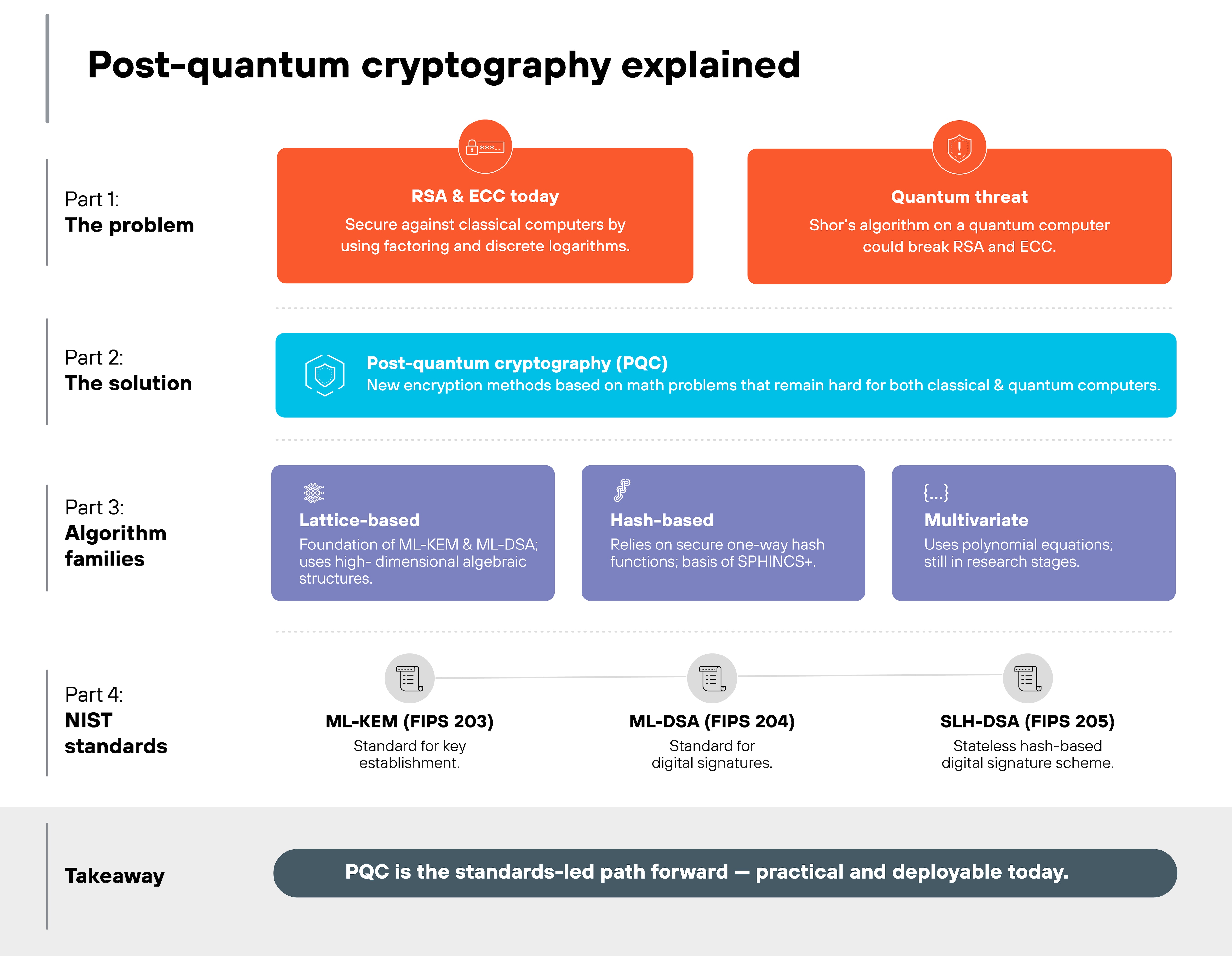
These deadlines serve as a firm baseline for system owners and acquisition teams. For National Security Systems, the strategy mandates adherence to the Commercial National Security Algorithm Suite 2.0 (CNSA 2.0). This technical reference point ensures that the military utilizes standardized, vetted algorithms, such as those recommended by the National Institute of Standards and Technology (NIST), to maintain consistency across global defense networks.
Five Lines of Effort for Implementation
To execute this transition, the Department of Defense has organized its approach into five distinct lines of effort. This framework is designed to move beyond simple software updates, treating the migration as a force-wide modernization task:
- Governance: Establishing central oversight to manage policy, resource allocation, and stakeholder accountability throughout the transition.
- Inventory: Compiling a comprehensive baseline of all cryptographic technologies currently deployed across DoD networks.
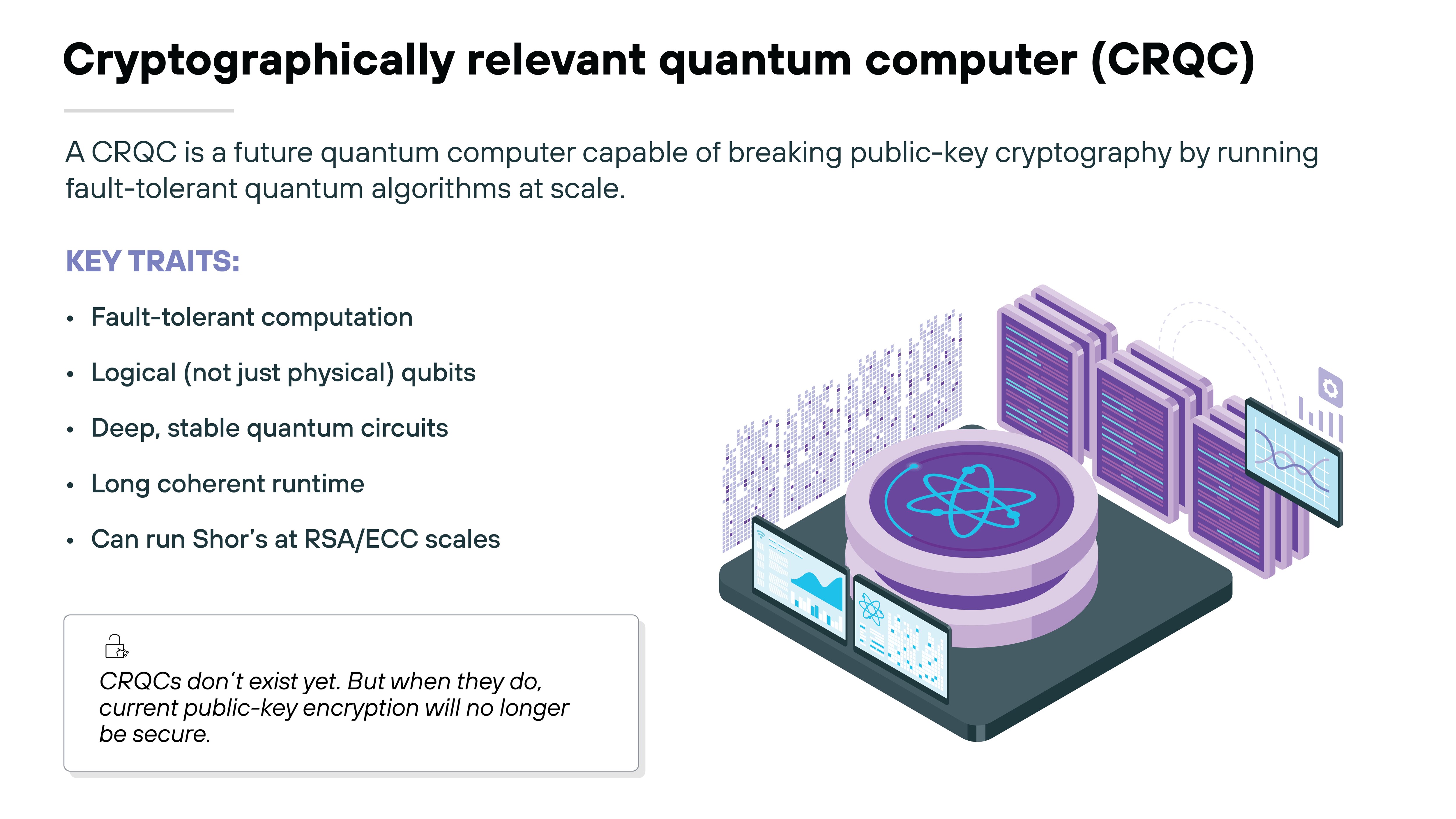
- Development: Analyzing and testing algorithms and protocols specifically designed to resist Cryptographically Relevant Quantum Computers (CRQC).
- Commercial Integration: Incorporating approved NIST and NSA post-quantum algorithms into military and commercial-off-the-shelf solutions.
- Deployment: Integrating quantum-resistant hardware and software across weapons systems, terrestrial networks, and space-based infrastructure.
By categorizing the transition this way, the DoD intends to identify vulnerable legacy systems while ensuring that new procurement projects are “quantum-ready” from their inception. The strategy explicitly warns that systems providing only confidentiality without robust, quantum-resistant authentication will not be considered compliant with the new security posture.
Engaging the Defense Industrial Base
The success of this strategy relies heavily on collaboration with the Defense Industrial Base (DIB). The Department of Defense views commercial vendors not merely as suppliers, but as integral partners in the migration environment. This partnership is intended to reduce the duplication of testing efforts and accelerate the deployment of PQC-enabled tools, software, and firmware.

Industry partners should anticipate shifts in procurement requirements as the department aligns its contracts with Federal Acquisition Regulation (FAR) cryptographic compliance standards. According to the DoD, the goal is to create a unified defense posture where commercial-off-the-shelf solutions meet the same rigorous security requirements as government-operated infrastructure. This approach allows the military to leverage private-sector innovation while maintaining control over the security of its tactical edge.
Operational Impact and Future Security
The shift to post-quantum cryptography addresses specific risks, including the potential for adversaries to intercept and “harvest” encrypted data today for decryption once quantum computing technology matures. By prioritizing mission-critical systems, the department seeks to protect command-and-control functions, software updates, and satellite communication (SATCOM) links from potential compromise.
In a statement regarding the strategy, CIO Kirsten Davies emphasized the necessity of the transition for maintaining military lethality. “To deliver on the vision of the most lethal and dominant military force in the world, our networks must be impenetrable,” Davies noted, highlighting that the strategy secures the “tactical edge” and ensures the long-term integrity of command systems against emerging technological threats.
The Department of Defense has not suggested that current systems are currently compromised by quantum threats. Instead, the strategy represents a proactive measure to ensure that military operations remain resilient as the global technological landscape shifts. The department will continue to provide updates on its progress through its official channels as it works toward the 2030 and 2031 implementation benchmarks.
Worth a look
- Total Solar Eclipse 2026 Begins a “Golden Age” of Rare Stargazing Events
- US and 40 Allies Urge China to Provide Advance Notice for Ballistic Missile Tests
- NDTV AI Strategy: Why Publishers Must Build Beyond the Models (world-today-news.com)
- Nvidia CEO Jensen Huang Unveils $500 Billion AI Infrastructure Financing Plan (time.news)