Beyond Pills: How Brain Scans & Traditional Chinese Medicine Could Revolutionize Depression Treatment
Major Depressive disorder (MDD) is a global health crisis. Affecting how we think, feel, and function, it’s currently a leading cause of disability – and projections indicate it will become the most common and costly illness worldwide by 2030. While a range of medications exist, the frustrating reality is that finding the right treatment often feels like a prolonged and disheartening trial-and-error process. Nearly one-third of patients see no improvement with their first antidepressant, leaving them searching for relief for months, even years.
This isn’t due to a lack of effort, but a fundamental gap in our understanding. Currently,treatment decisions are largely based on subjective factors – reported symptoms,medical history,and a clinician’s experience. What’s been missing is a reliable, objective way to predict who will respond to which treatment. Now, groundbreaking research is exploring a surprising avenue: the potential of Traditional Chinese Medicine (TCM), combined with the power of modern brain imaging, to unlock personalized depression care.
A Novel Study: Comparing Traditional Remedy to a leading Antidepressant
A recent study, published in General Psychiatry, took a significant step towards bridging this gap. Researchers investigated whether TCM could offer new insights into MDD treatment and, crucially, whether brain imaging could predict individual responses to therapy. The study employed a rigorous methodology – a randomized, double-blind, placebo-controlled clinical trial – considered the gold standard in medical research.
Let’s break down what that means:
* Randomized: Participants (28 outpatients diagnosed with MDD at the Fourth People’s Hospital of Taizhou) were assigned to treatment groups purely by chance,minimizing bias.
* Double-Blind: Neither the patients nor the researchers knew who was receiving which treatment, further reducing the potential for subjective influence.
* Placebo-Controlled: A placebo (an inactive substance) was used alongside both treatments, allowing researchers to isolate the true effects of the interventions.
The study design was elegantly constructed. One group received Yueju Pill, a traditional Chinese herbal medicine, alongside a placebo for escitalopram (a commonly prescribed Selective Serotonin Reuptake Inhibitor or SSRI). The other group received escitalopram with a placebo for Yueju Pill. This allowed for a direct comparison of the two treatments under controlled conditions.
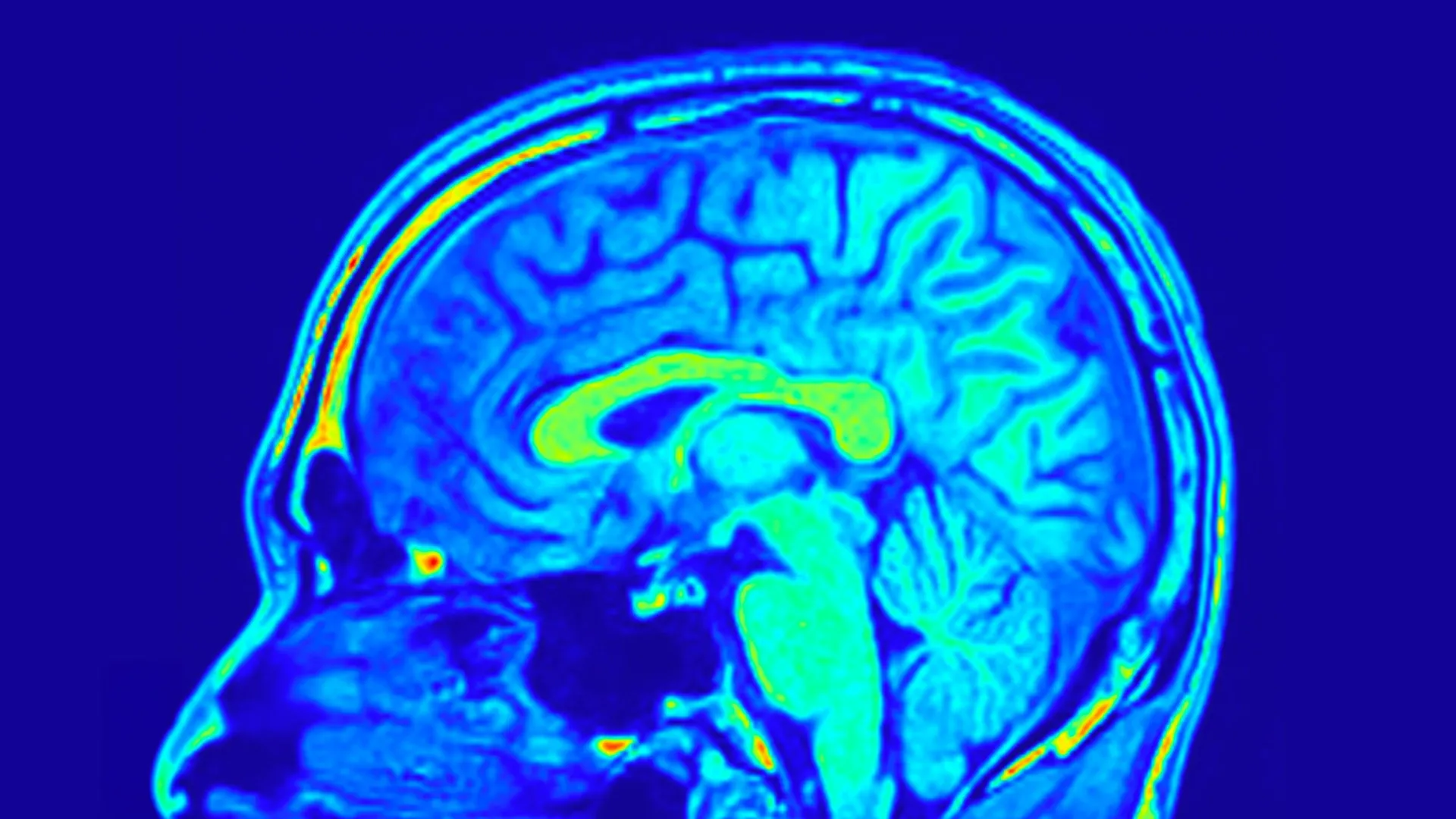
To objectively measure outcomes, the researchers utilized the 24-item Hamilton Depression Scale (HAMD-24), a widely recognized and validated clinical questionnaire. Crucially, they also collected peripheral blood samples and performed Magnetic Resonance Imaging (MRI) brain scans to examine changes in both brain structure and underlying biological processes.
Beyond Symptom Relief: Uncovering Biological Differences
The results were encouraging. Both groups – those receiving Yueju Pill and those receiving escitalopram – demonstrated improvements in their depression symptoms. Though, the study revealed a fascinating biological distinction.
While both treatments reduced clinical signs of depression, only patients in the Yueju Pill group experienced a significant increase in serum Brain-Derived Neurotrophic Factor (BDNF). BDNF is a protein vital for brain cell growth, connectivity, and crucially, mood regulation. Lower levels of BDNF have long been associated with depression, making this finding particularly compelling. This suggests Yueju pill may have a unique mechanism of action, actively promoting neuroplasticity – the brain’s ability to reorganize itself by forming new neural connections.
But the insights didn’t stop there. The MRI brain scans unveiled even more nuanced data. Researchers discovered that specific brain networks – the interconnected pathways formed by different brain structures - could predict changes in depression scores in both treatment groups. These networks represent how different brain regions communicate and collaborate.
The Power of Brain Patterns: Predicting Treatment Response
what truly set this study apart was the discovery that certain brain patterns were predictive of treatment response only in patients taking Yueju Pill. These patterns were based on measurements of sulcus depth (the grooves on the brain’s surface) and cortical thickness (the thickness of the brain’s outer layer).Both are indicators of brain development and function.
Further analysis revealed that the brain’s visual network played a particularly significant role in predicting improvements in both depression symptoms and BDNF levels among those treated with Yueju Pill.This suggests a potential link between visual processing and the therapeutic effects of this traditional medicine.
The Future of Depression Treatment: Personalized Precision Care
These findings are a significant step towards personalized antidepressant therapy. The study suggests that MRI-identified brain network patterns could perhaps predict how individual patients with MDD will respond to Yueju Pill treatment.This moves beyond the current reliance on symptom-based decision-making, offering a more targeted and effective approach.
As Dr. Zhang,the study’s leading author,explains,”The brain networks can then be fed to the predictive models
Keep reading