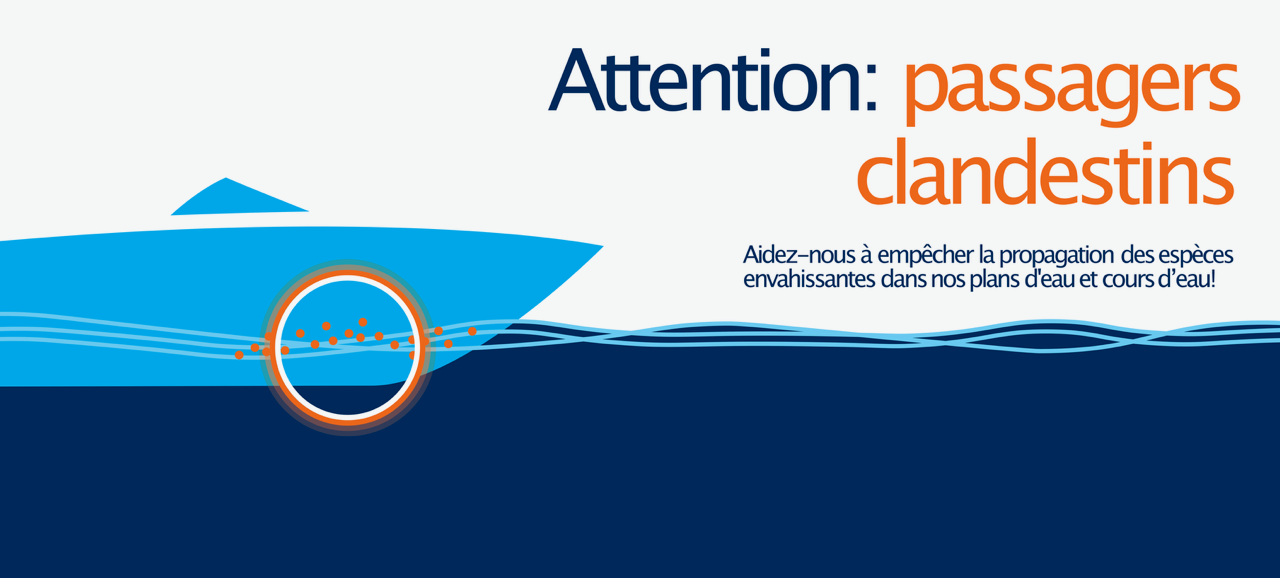
Beginning August 1, 2026, boat owners in Switzerland will be required to clean their vessels before entering public waterways to prevent the spread of invasive species. The mandate, adopted as part of a broader strategy to protect biodiversity in lakes and rivers, targets the transmission of non-native organisms often transported on boat hulls, in bilge water, or within engine cooling systems.
According to the Swiss Federal Office for the Environment (FOEN), invasive aquatic species—such as the quagga mussel and various non-native plants—pose a significant threat to native ecosystems, infrastructure, and water quality. These organisms can clog water intake pipes, damage boat engines, and outcompete local species for resources. The new requirement serves as a preventative measure to reduce the ecological and economic costs associated with managing established invasive populations, which are notoriously difficult to eradicate once they take hold in a new environment as detailed by the Swiss Federal Office for the Environment.
The Ecological Impact of Invasive Aquatic Species
The primary driver for this regulation is the rapid expansion of invasive species that disrupt the delicate balance of Swiss water bodies. The quagga mussel (Dreissena rostriformis bugensis) is a primary concern for authorities. Since its initial detection in Lake Constance in 2014, the species has spread to other major lakes, including Lake Geneva and Lake Neuchâtel. Because these mussels filter vast amounts of water and attach to hard surfaces, they can severely alter nutrient cycling and damage underwater infrastructure according to reports from the Swiss Federal Institute for Forest, Snow and Landscape Research (WSL).
Beyond mussels, invasive plants like the Canadian waterweed (Elodea canadensis) and the curly-leaf pondweed can form dense mats that impede navigation and degrade water quality. These species are frequently introduced to new areas via recreational boating, where fragments of the plants or microscopic larvae become trapped on trailers, anchors, or in stagnant water. The 2026 mandate aims to standardize the cleaning process across all cantons to ensure that vessel hygiene is maintained regardless of where a boat was last docked.
Requirements for Boat Owners
Under the upcoming regulations, boaters will be expected to ensure their vessels are free of organic material before launching into new water bodies. While specific technical guidelines for cleaning stations are currently being finalized by regional authorities, the core requirement involves removing all visible mud, plants, and animals from the hull, propeller, and trailer. Owners of boats that frequent multiple lakes or rivers are considered the highest risk group for cross-contamination.
The implementation follows a period of voluntary awareness campaigns. For several years, environmental agencies have encouraged the “Clean, Drain, Dry” protocol, which advises boaters to wash their equipment with high-pressure water, drain all water from internal compartments, and allow the vessel to dry completely before moving to another lake. With the 2026 deadline, this protocol transitions from a recommendation to a legal obligation. Authorities are expected to provide further guidance on the certification of cleaning stations and potential inspection protocols for boaters as the start date approaches as outlined in the federal biodiversity strategy.
Stakeholder Perspectives and Enforcement
The boating community has generally recognized the necessity of protecting the water bodies they utilize for recreation. However, industry representatives have noted that the success of the mandate will depend on the availability of accessible, affordable, and effective cleaning infrastructure. If boaters are required to clean their vessels, there must be enough stations located at marinas and public boat ramps to prevent significant wait times or logistical burdens.
Regional authorities are currently working with local municipalities to determine the placement of these facilities. Funding for these initiatives is expected to be drawn from both cantonal budgets and federal environmental grants, though the exact cost-sharing structure remains a subject of ongoing discussion at the administrative level. The move aligns Switzerland with European Union directives regarding the management of invasive alien species, which require member states and partner countries to take active measures against the spread of harmful non-native organisms as established by the European Commission’s framework on biodiversity.
Next Steps for Boat Operators
As the August 1, 2026, deadline approaches, boat owners are advised to monitor official updates from their specific cantonal navigation office. These offices will provide the necessary information regarding mandatory cleaning standards, the locations of authorized wash stations, and any potential certification processes that may be required to prove compliance.
Maintaining a clean vessel is not only a future legal requirement but an essential practice for preserving the health of the lakes that support Switzerland’s recreational and commercial sectors. For the latest developments on this policy, residents should consult the official portals of their respective cantons or the federal environmental website. We encourage readers to share their thoughts on the implementation of these measures in the comments section below.