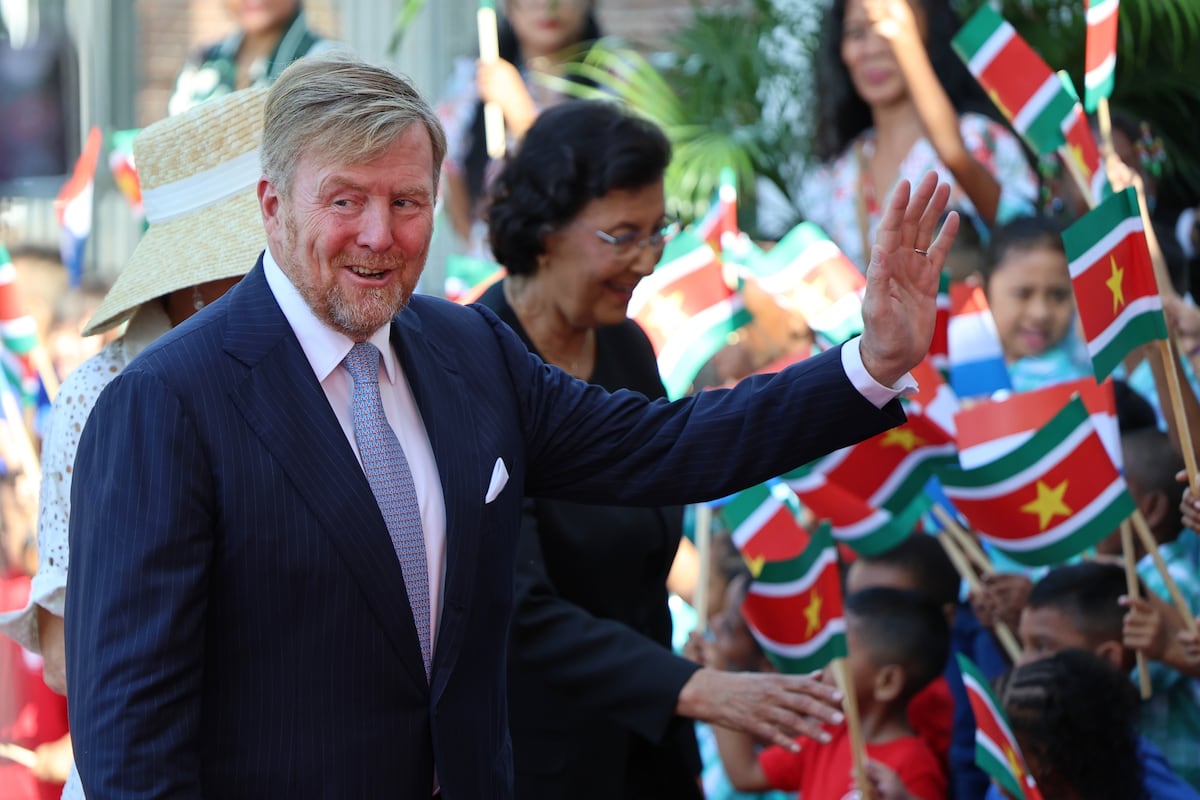
A Royal Visit and teh Ongoing Reckoning with Suriname‘s Past
King Willem-Alexander of the Netherlands recently concluded a historic visit to Suriname, a nation deeply intertwined with the legacy of Dutch colonialism and the transatlantic slave trade. This trip wasn’t simply a diplomatic gesture; it represented a crucial step in acknowledging a painful past and charting a course toward a more equitable future.
The King’s itinerary included a deeply moving visit to a maroon community – settlements founded by escaped enslaved people who forged lives of freedom in the Surinamese rainforest. He expressed a desire to understand what it truly means to be a descendant of those who bravely resisted oppression. this personal connection resonated deeply within Suriname, a country still grappling with the ramifications of centuries of exploitation.
A History Forged in Exploitation
For generations, Suriname served as a vital cog in the machinery of European colonialism. The Dutch West India Company played a central role in forcibly transporting approximately 600,000 Africans to Suriname, and also North and South America, and the caribbean. These individuals endured horrific conditions on plantations dedicated to producing commodities like coffee, sugar, cacao, and cotton.
It’s vital to remember that the story doesn’t end with the official abolition of slavery in 1863.Even after emancipation, formerly enslaved people were compelled to continue working on the same plantations for another decade, receiving meager wages. This system essentially allowed plantation owners to recoup the “loss” of their enslaved labor force, perpetuating economic inequalities that persist today.Furthermore, the Dutch East India Company transported between 660,000 and 1.1 million people to present-day Indonesia and South Africa.
Seeking Reparations and a Path Forward
The visit comes at a time when Suriname is actively seeking dialog with the Netherlands regarding reparations for the historical injustices of slavery. President Jennifer Simons emphasized that the €66 million allocated by the Dutch government is viewed as a gesture of goodwill, rather than full restitution. You can understand why a more comprehensive approach is desired, one that truly addresses the lasting economic and social disparities.
This conversation is complex, and it’s vital to acknowledge the multifaceted nature of historical harm. It’s not simply about financial compensation; it’s about acknowledging the profound and enduring impact of slavery on individuals, communities, and the nation as a whole.
A Modern Connection: migration and Identity
the ties between Suriname and the netherlands remain strong, largely due to significant migration patterns. Over the past 50 years, more than 250,000 Surinamese citizens have moved to the Netherlands. Currently, approximately 180,000 people born in Suriname reside ther.
Initially, obtaining Dutch citizenship was relatively straightforward following Suriname’s independence in 1975. However, political instability, including a military coup led by Desi Bouterse, complex the process in subsequent years. This history underscores the complex relationship between the two nations,shaped by both shared heritage and periods of upheaval.
Why This Matters Now
King Willem-Alexander’s visit,and the ongoing discussions surrounding reparations,represent a critical moment for both Suriname and the Netherlands. It’s a chance to confront a tough past, acknowledge the enduring consequences of slavery, and build a future based on mutual respect and understanding.
Ultimately, this isn’t just about history; it’s about creating a more just and equitable world for all. It’s about recognizing the humanity of those who were denied it for so long, and ensuring that their stories are never forgotten.
This is a journey of healing, and it requires honest dialogue, genuine empathy, and a commitment to lasting change. and it’s a journey that,while challenging,is absolutely essential.
Worth a look