
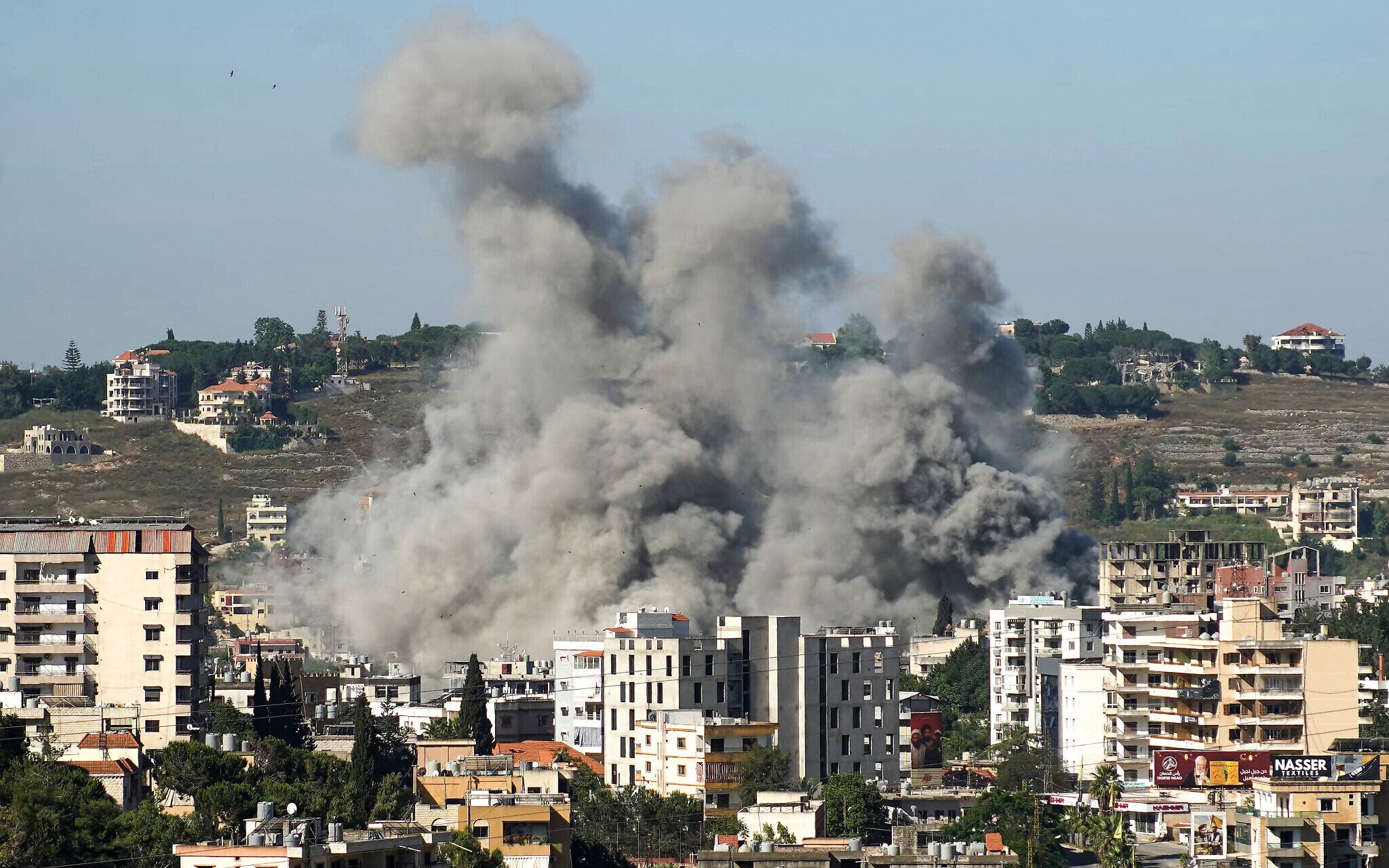
Israeli military forces conducted strikes in Lebanon on Thursday, marking a significant escalation just one day after a ceasefire agreement between Israel and Hezbollah officially took effect. The operations, which the Israel Defense Forces (IDF) described as targeted responses to repeated violations of the truce, reportedly resulted in at least 27 deaths, according to reports from the Lebanese Health Ministry as cited by international news agencies.
The fragile truce, brokered by the United States and France, was intended to end 14 months of intense cross-border fighting. However, both parties have traded accusations of non-compliance within the first 24 hours of the deal. The IDF stated that it remains committed to the cessation of hostilities but emphasized that it would continue to defend against immediate threats. Meanwhile, Hezbollah has claimed that it launched attacks against Israeli troops advancing in southern Lebanon, a development that has complicated the efforts of international monitors to solidify the ceasefire agreement, as reported by France 24.
Status of the Ceasefire Agreement
The ceasefire, which began early Wednesday morning, was designed to allow displaced civilians on both sides of the border to begin returning to their homes. Under the terms of the agreement, the Lebanese Armed Forces are expected to take control of southern Lebanon, while Hezbollah is required to withdraw its forces north of the Litani River. The IDF is mandated to gradually withdraw its troops from southern Lebanese territory over a 60-day period, according to the official statement released by the White House.

Despite these clear parameters, the situation on the ground remains volatile. Israeli officials have maintained that any movement by armed personnel near their border constitutes a direct violation of the agreement. Conversely, Lebanese officials have accused the Israeli military of using air strikes to clear areas in the south, which they argue constitutes an aggressive breach of the truce. The United Nations Interim Force in Lebanon (UNIFIL) has urged both sides to exercise maximum restraint to prevent a total collapse of the diplomatic breakthrough, as noted in their latest advisory.
Reported Casualties and Regional Impact
The reported death toll of 27 individuals represents one of the highest daily figures since the fighting intensified earlier this year. Local medical facilities in southern Lebanon have struggled to manage the influx of injured civilians, with the Lebanese Red Cross reporting ongoing difficulties in accessing areas where strikes occurred due to the presence of unexploded ordnance and active military movement. The scale of the impact has raised concerns among humanitarian organizations regarding the viability of the current security arrangements, according to field reports monitored by Al Jazeera.
The escalation also impacts the broader geopolitical landscape of the Middle East, as the ceasefire was viewed as a potential precursor to de-escalation in other regional theaters. Analysts suggest that the failure to maintain a stable environment could embolden hardline factions within the region, potentially undermining the influence of the Lebanese state in the south. The ability of the Lebanese Armed Forces to effectively deploy and maintain the buffer zone remains the primary test for the longevity of the current deal.
What Happens Next
The next phase of the ceasefire process hinges on the functionality of the international oversight committee led by the United States. This committee is tasked with receiving reports of violations and mediating between the parties to ensure compliance with the 60-day withdrawal timeline. Both the Israeli government and the Lebanese government are expected to submit formal reports regarding the incidents of the past 24 hours to the committee by the end of the week.

For civilians in the affected areas, the immediate future remains uncertain. International aid agencies have advised residents to wait for official confirmation of safety before returning to their villages in the border region. Further updates regarding the stability of the truce are expected from the U.S. State Department and UNIFIL spokespeople during their next scheduled press briefings. We encourage our readers to participate in the conversation by sharing their perspectives or questions regarding the ongoing developments in the comments section below.