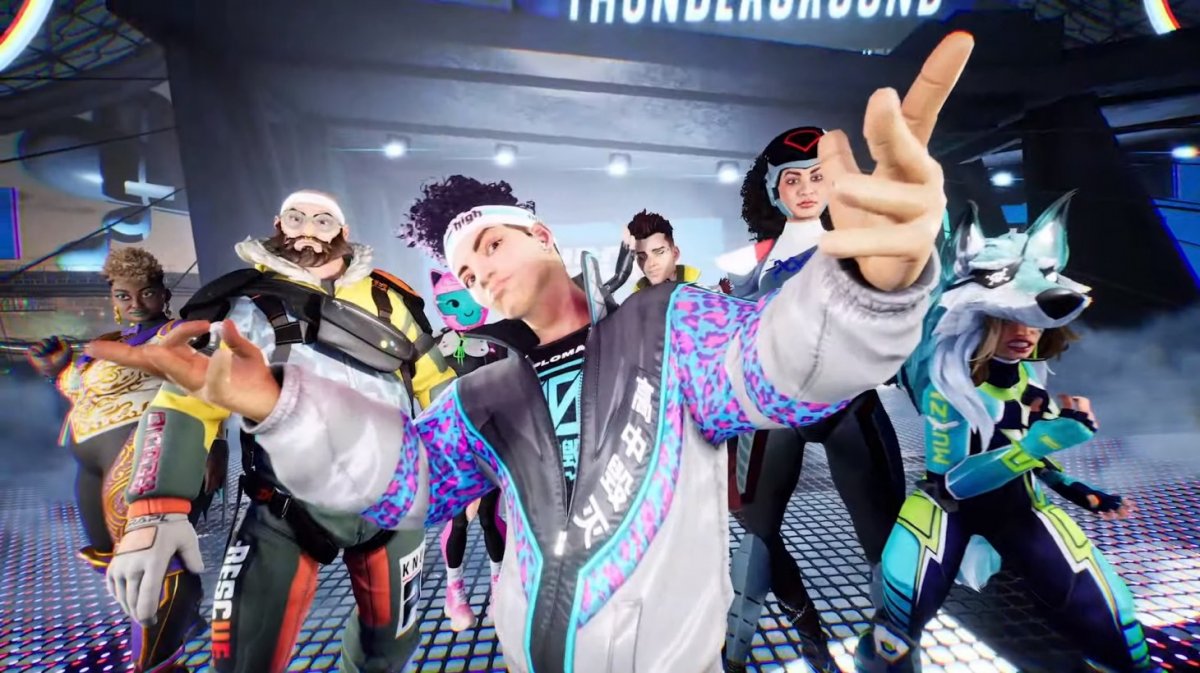
The landscape of live-service gaming continues to evolve as Sony Interactive Entertainment adjusts its digital catalog. Recently, the vehicular combat title Destruction AllStars has been removed from the PlayStation Store, marking another shift in the availability of PlayStation-published titles. For players who had previously acquired the game, this change reflects the ongoing lifecycle management often seen with digital-only or service-based titles in the competitive gaming market.
As a technology editor who has tracked the trajectory of digital distribution platforms for nearly a decade, I have observed that the removal of a title from a storefront can stem from various factors, ranging from licensing expirations to the sunsetting of dedicated server support. In the case of Destruction AllStars, which was developed by Lucid Games and published by Sony Interactive Entertainment, the game had served as an early showcase for the PlayStation 5 hardware capabilities, launching as a title included in the PlayStation Plus subscription service in February 2021.
According to official support documentation provided by PlayStation Support, when content is removed from the store, it often impacts the ability for new users to purchase or download the title. While the digital ecosystem offers convenience, these removals underscore the inherent volatility of relying solely on cloud-based storefronts for long-term access to interactive media.
Understanding the Lifecycle of Live-Service Titles
The “live service” model—which relies on continuous updates, online multiplayer connectivity, and rotating seasonal content—requires significant infrastructure maintenance. Unlike traditional single-player experiences that are static upon release, these titles require active server support to function correctly. When a publisher determines that the player base or the operational costs no longer justify the maintenance of these servers, the game is typically taken offline, and subsequent storefront removals follow.

This trend is not unique to PlayStation. Across the industry, major publishers and platform holders have faced scrutiny regarding the “preservation” of digital games. The Video Game History Foundation has frequently highlighted the challenges posed by the transition to digital-only distribution, noting that a significant percentage of classic games are currently inaccessible to the public. For Destruction AllStars, the move reflects a broader industry pattern where live-service games are treated as temporary experiences rather than permanent software additions.
For those interested in the technical aspects of digital storefront management, Sony’s internal policies regarding content availability are governed by the PlayStation Network Terms of Service. These terms outline the conditions under which content may be withdrawn, often citing the need for publishers to manage their digital rights and service obligations effectively.
What This Means for the Player Base
If you were a player of Destruction AllStars, the recent removal raises questions about the future of your digital library. Generally, if a game has been officially removed from a storefront, it often indicates that the online features are either currently disabled or scheduled for termination. Players are encouraged to check their “Library” section on their PlayStation 5 console to verify if the title remains accessible for re-downloading, though What we have is not guaranteed for all delisted titles.

In my experience covering the tech sector, the most reliable way to stay informed about these changes is to monitor the PlayStation Blog, which serves as the primary channel for official announcements regarding service changes, store updates, and support for aging software. Relying on unofficial sources can often lead to confusion regarding whether a game has been permanently delisted or is simply undergoing a temporary maintenance cycle.
The removal of a title like Destruction AllStars serves as a reminder to the gaming community that digital ownership is subject to the terms of the platform provider. While the convenience of digital storefronts remains unmatched, the loss of access to games highlights the importance of archiving and the need for more robust consumer protections in the digital age.
Looking Ahead: The Future of Digital Distribution
As we look toward the future of gaming, the industry is likely to continue balancing the benefits of live-service accessibility with the realities of server maintenance costs. We are seeing a shift where developers are increasingly transparent about the “end-of-life” plans for their titles, providing players with more clarity regarding how long they can expect to enjoy a game’s online features.

For those who value game preservation, there is a growing movement toward advocating for “offline modes” or community-run server support for titles that have reached the end of their official lifecycle. Until such practices become the industry standard, players should remain aware that digital purchases are part of an evolving ecosystem that is subject to change at the discretion of the publisher.
We will continue to monitor the status of digital catalog changes on major consoles. If you have questions about your digital library or wish to share your thoughts on the impact of delisting games, please leave a comment below. Your feedback helps us keep the conversation moving forward on the critical issues facing today’s digital consumers.
Keep reading