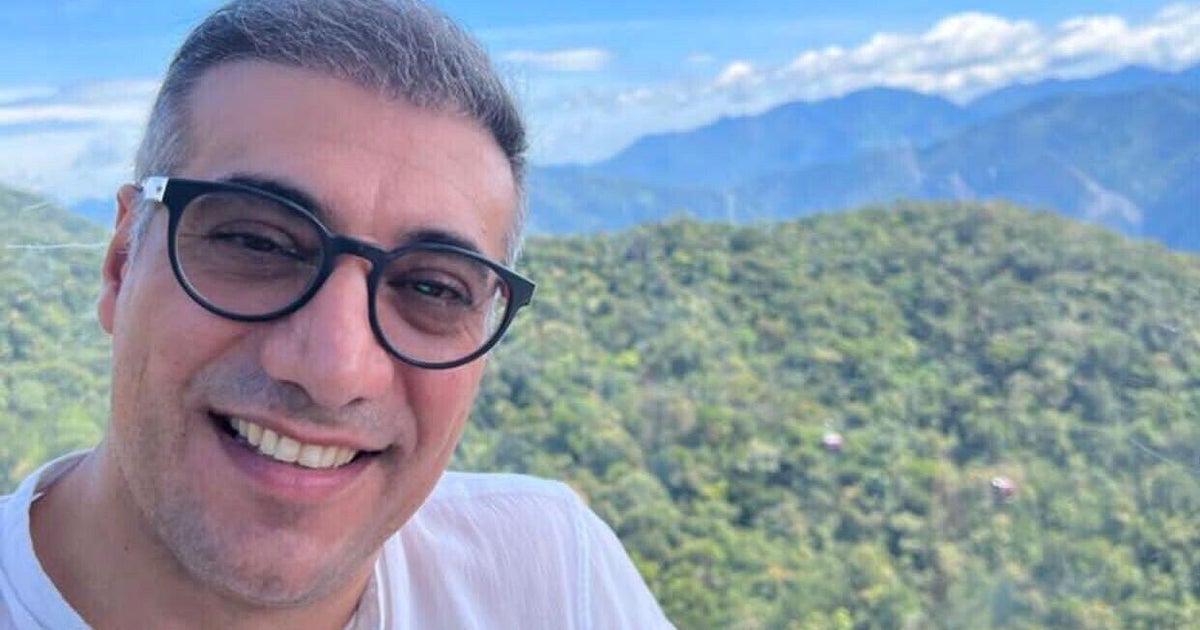
The situation for foreign nationals detained in Iran remains a critical concern for international human rights observers and diplomatic entities. Among those currently held is Reza Valizadeh, an Iranian-American journalist whose ongoing detention in Tehran’s Evin Prison has drawn renewed attention following reports of his deteriorating health and the conditions within the facility. The case highlights the persistent challenges faced by dual nationals navigating the complex intersection of journalism, international relations, and the Iranian judicial system.
For families and advocates, the primary objective remains the urgent provision of medical care for those held in custody. The James W. Foley Legacy Foundation, which monitors cases of wrongful detention, has identified Valizadeh as a journalist and dual Iranian-American national currently held by Iranian authorities. His case is frequently cited by rights organizations as part of a broader, long-standing pattern regarding the treatment of journalists and dual citizens in the country.
Conditions at Evin Prison and Medical Concerns
Reports regarding the conditions inside Evin Prison have consistently emphasized the impact of overcrowding and the resulting strain on the facility’s medical infrastructure. According to information documented by the James W. Foley Legacy Foundation, Valizadeh has faced significant health challenges, including asthma and dental issues, which have been exacerbated by his environment. The intersection of limited medical resources and the high volume of detainees remains a primary point of friction for international monitors.
The challenges faced by Valizadeh are not unique in the context of recent years. The Committee to Protect Journalists frequently tracks the status of media workers detained globally, emphasizing the risks associated with reporting in environments where national security charges are often applied to journalists. The application of such legal frameworks often complicates the process for consular access and the provision of independent medical oversight.
The Legal Framework and Diplomatic Context
Valizadeh’s detention is categorized by the United States government as a wrongful detention, a designation that underscores the official position that the legal proceedings lack the necessary due process required under international norms. The U.S. Department of State maintains a formal process for reviewing such cases, which involves assessing whether a detainee is being held for political leverage or due to the lack of a fair trial. This designation is a significant step in mobilizing diplomatic efforts aimed at securing the release or improving the treatment of the individual.
The use of charges related to “collaboration with a hostile government” has been a recurring theme in the detention of dual nationals in Iran. Legal analysts often note that the vagueness of these statutes allows for broad interpretation by local judicial bodies, making it difficult for defendants to mount effective legal defenses or to anticipate the duration of their imprisonment. These cases often mirror previous high-profile detentions, such as that of Washington Post journalist Jason Rezaian, whose imprisonment spanned 544 days before his eventual release.
What Happens Next: Monitoring the Situation
For observers and those following the case, the path forward remains largely dictated by diplomatic back-channels and the potential for high-level negotiations. There are no currently scheduled public hearings or official court dates that have been confirmed for the general public regarding Valizadeh’s status. The James W. Foley Legacy Foundation serves as a primary resource for updates on his status and the broader advocacy efforts for those wrongfully detained abroad.
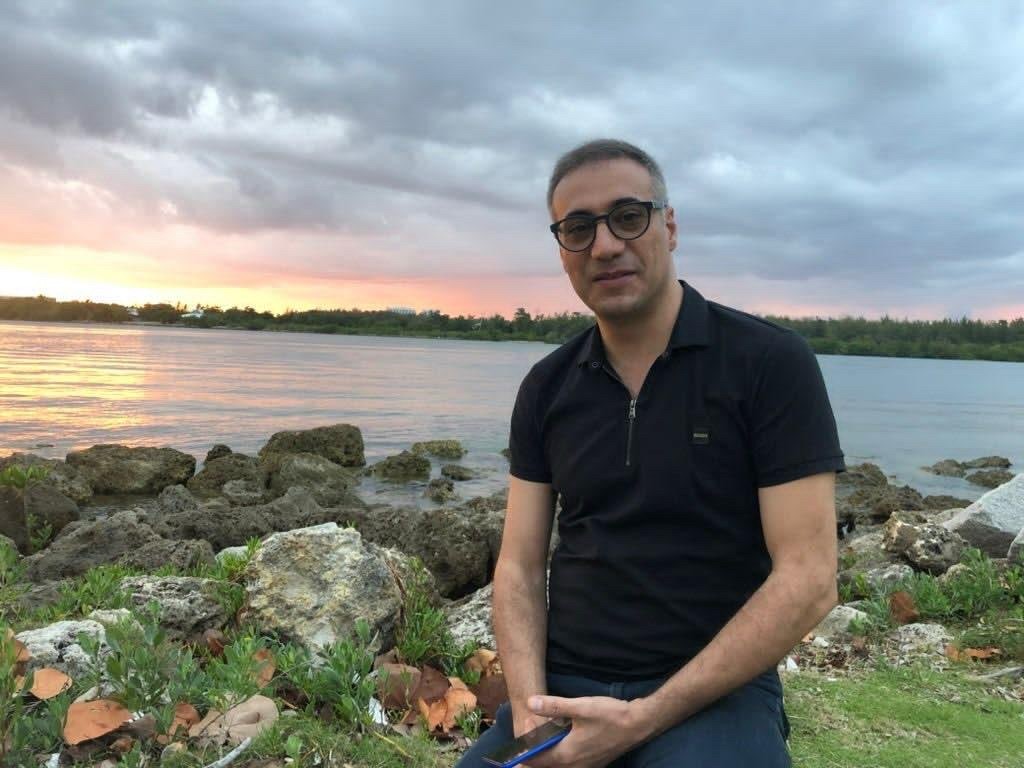
The international community continues to call for transparency and the immediate provision of humanitarian aid, including medical care, for all detainees held in precarious conditions. As the situation evolves, the focus remains on the adherence to international human rights standards and the efforts of families and advocacy groups to ensure the safety of those involved. We will continue to monitor official statements from the Department of State and relevant humanitarian organizations for any updates regarding this case.
We invite our readers to share their thoughts or provide additional verified information in the comments section below. For ongoing updates on global press freedom and the status of journalists detained worldwide, please visit the Committee to Protect Journalists official portal.
Related reading