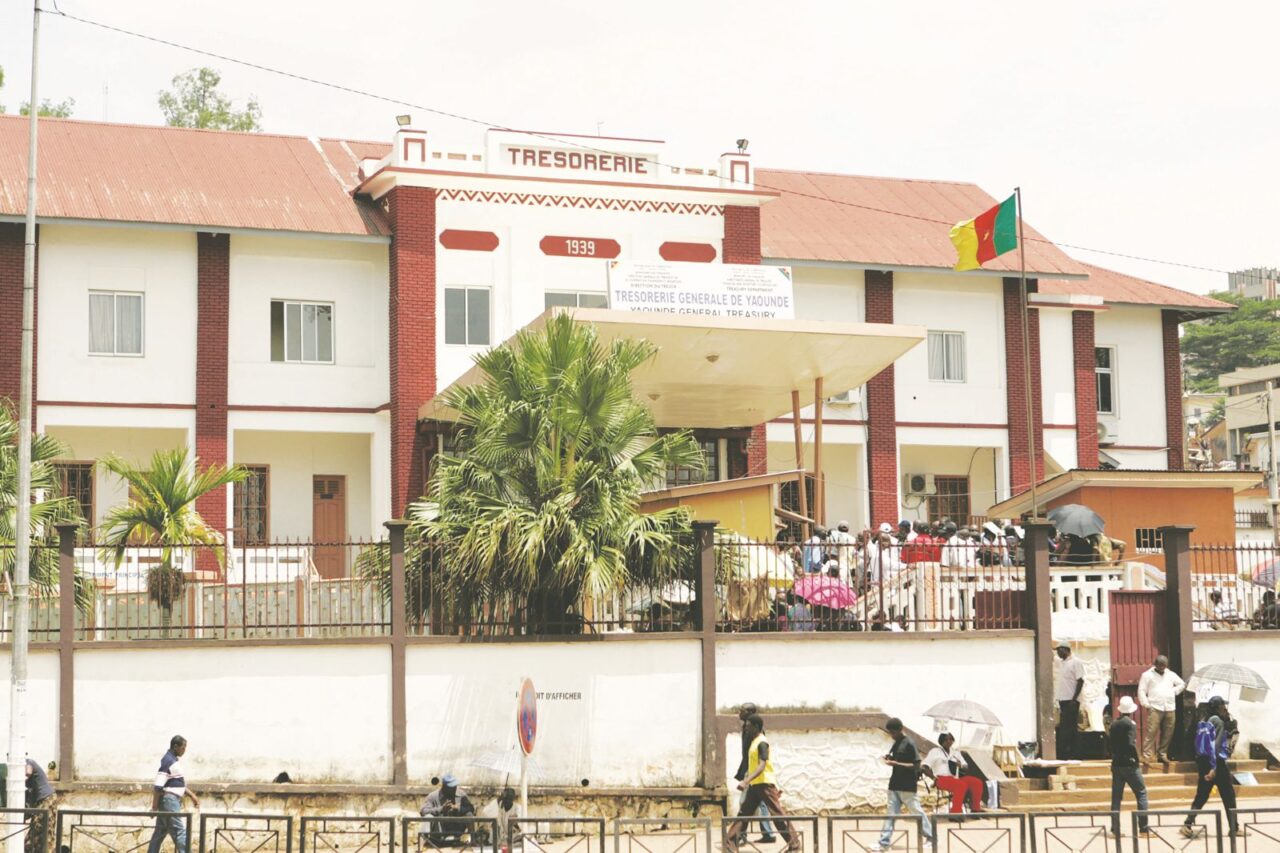
Between March 2025 and March 2026, the Republic of Cameroon successfully mobilized approximately 1,300.2 billion CFA francs through the regional public securities market, according to data monitored by the Central African Economic and Monetary Community (CEMAC) regulatory bodies. This fundraising effort reflects the state’s continued reliance on the BVMAC (Bourse des Valeurs Mobilières de l’Afrique Centrale) to finance national development projects and manage sovereign debt obligations within the framework of the regional financial market.
Understanding Cameroon’s Public Debt Strategy
The mobilization of 1,300.2 billion CFA francs represents a significant liquidity operation for the Cameroonian Treasury. For context, Cameroon remains the most active issuer on the CEMAC securities market, consistently leveraging Treasury bills (BTA) and Treasury bonds (OTA) to bridge fiscal gaps. According to official reports from the Bank of Central African States (BEAC), which oversees the monetary policy of the six-nation bloc, these operations are essential for maintaining macroeconomic stability while the government implements its National Development Strategy (SND30).
Public debt management in Cameroon is governed by strict adherence to the medium-term debt strategy (MTDS), which aims to optimize the cost and risk profile of the country’s liabilities. The 1,300.2 billion CFA franc figure serves as a benchmark for the volume of capital the domestic and regional banking sector is willing to allocate to sovereign risk. Investors in this market typically include commercial banks, insurance companies, and institutional investors based in Douala, Yaoundé, and across the CEMAC zone.
The Role of the Regional Securities Market
The regional market serves as a primary engine for sovereign financing, allowing Cameroon to move away from excessive reliance on external commercial debt. By issuing securities in local currency, the state mitigates exchange rate risks associated with foreign-denominated loans. Data from the Financial Markets Supervisory Commission (COSUMAF) indicates that the attractiveness of Cameroonian securities is bolstered by the state’s historical record of timely coupon payments and principal repayments.
The competitive nature of these auctions—where banks bid on interest rates—allows the government to gauge market sentiment regarding its fiscal health. Despite global inflationary pressures, the demand for Cameroonian debt instruments has remained robust, signaling a level of institutional confidence in the country’s fiscal consolidation efforts. These efforts are closely monitored by the International Monetary Fund (IMF), which regularly assesses Cameroon’s debt sustainability as part of its Extended Credit Facility (ECF) and Extended Fund Facility (EFF) arrangements.
Impact on National Development and Infrastructure
Funds raised through the securities market are earmarked for diverse budgetary requirements, ranging from the construction of major infrastructure projects—such as hydroelectric dams and highway extensions—to the support of civil service operations. Analysts note that while the mobilization of over 1.3 trillion CFA francs provides immediate fiscal relief, it also increases the debt service burden on future national budgets.
To ensure long-term solvency, the Cameroonian Ministry of Finance focuses on broadening the tax base and improving the efficiency of public spending. The sustainability of this borrowing model depends heavily on the country’s ability to maintain a growth trajectory that outpaces the cost of servicing the accumulated debt. As of the most recent quarterly reports, the government continues to prioritize the diversification of its investor base to ensure that the liquidity pool remains deep enough to support ongoing and future issuance programs.
Looking Ahead: Future Debt Issuance
The next major checkpoint for investors and market observers will be the publication of the Treasury’s quarterly issuance calendar for the remainder of 2026. These calendars, usually published by the Ministry of Finance (MINFI), detail the expected volumes and maturity profiles of upcoming auctions. Investors looking for official updates on auction results, interest rates, and issuance schedules are advised to consult the official portal of the Cameroonian Treasury or the BVMAC website for verified, real-time data.
As the regional market matures, market participants expect increased transparency regarding the use of proceeds from these securities, as well as potential shifts in interest rate policies influenced by BEAC’s monetary committee decisions. Stakeholders are encouraged to monitor upcoming ministerial announcements for any changes to the government’s borrowing strategy as the fiscal year progresses.
Do you have insights on the regional debt market or questions about Cameroon’s fiscal trajectory? Share your perspective in the comments section below.