
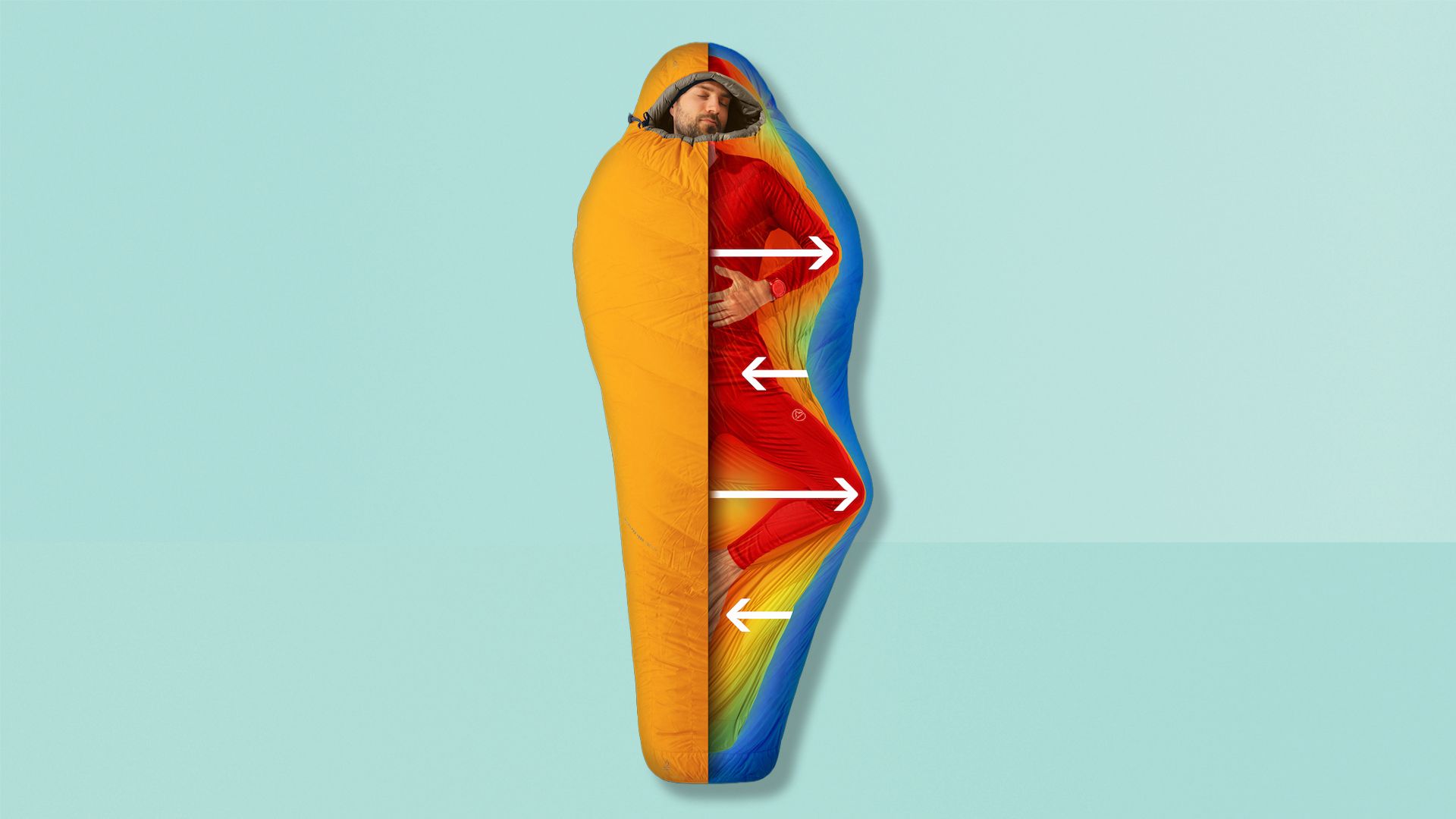
German outdoor equipment manufacturer Deuter has released its latest line of high-performance sleeping bags, the Astro Pro series, engineered to improve thermal efficiency and sleep recovery for mountaineers and expedition climbers. The collection utilizes 750-fill-power Responsible Down Standard (RDS) certified down, integrating specialized internal construction techniques designed to minimize heat loss in extreme alpine environments.
Deuter’s design team developed the Astro Pro range to address the “dead space” problem—the volume of air within a sleeping bag that requires body heat to warm up. By utilizing a “ThermoStretch” construction, the company claims the bag contours closer to the user’s body, reducing the total volume of air to be heated by up to 25%. This design shift aims to provide a more consistent thermal environment, which the manufacturer identifies as a critical factor for recovery during multi-day backcountry treks.
Technical Specifications and Insulation Engineering
The core of the Astro Pro’s thermal performance relies on a combination of high-loft insulation and strategic baffle geometry. According to official product specifications provided by Deuter, the bags use 750 cuin (cubic inches per ounce) down, which is certified under the Responsible Down Standard (RDS) to ensure ethical sourcing practices. To prevent the down from shifting and creating cold spots, the upper body features a “PeakDesign” baffle layout, while the foot area utilizes a “PowerBox” construction that keeps the insulation tensioned even when the user moves.

The “ErgoFoot Pro” 3D footbox is another design element intended to balance warmth with comfort. By providing a three-dimensional shape, the bag allows for natural foot positioning, preventing the compression of insulation that often occurs in standard tapered bags. The “ThermoHood” further assists in heat retention by contouring around the head, a common area for heat loss during sub-zero exposure.
Thermal Ratings for Diverse Conditions
Deuter has segmented the Astro Pro range by temperature ratings to accommodate different expedition requirements. The series begins with the Astro Pro 400, which carries a limit temperature rating of -6°C, and extends to the expedition-grade Astro Pro 1000, rated for temperatures as low as -19°C. These ratings are established using the EN 13537 / ISO 23537 testing standards, which provide a standardized measure for the thermal performance of sleeping bags.
The following table outlines the current availability and temperature ratings of the series:
| Model | Limit Temperature | Primary Use Case |
|---|---|---|
| Astro Pro 400 | -6°C | Three-season/Alpine |
| Astro Pro 600 | -10°C | Extended cold-weather |
| Astro Pro 800 | -15°C | Winter/Expedition |
| Astro Pro 1000 | -19°C | High-altitude/Extreme |
Sustainability and Manufacturing Standards
Beyond thermal performance, the Astro Pro series reflects a shift toward more stringent manufacturing protocols. Deuter reports that the sleeping bags are PFAS-free and hold a ClimatePartner certification. Furthermore, the products meet both Bluesign and Green Button sustainability standards. According to company documentation, over 90% of the materials used in the production of the bags are sourced from Bluesign-certified manufacturing facilities, which mandate strict controls on chemical usage and resource consumption.

Market Availability and Regional Distribution
As of late 2024, the Astro Pro series is available for purchase through Deuter’s official UK and EU retail channels. Pricing starts at approximately £340 / €390. While these sleeping bags are marketed to a global mountaineering audience, they are currently not listed for sale on the company’s dedicated American or Australian websites. Potential customers in these regions may need to monitor official updates for expanded international distribution or check with authorized specialized gear retailers.
For those interested in the latest performance gear, updates regarding regional availability are typically posted on the official Deuter news portal. Readers are encouraged to share their experiences with high-altitude gear in the comments section below.