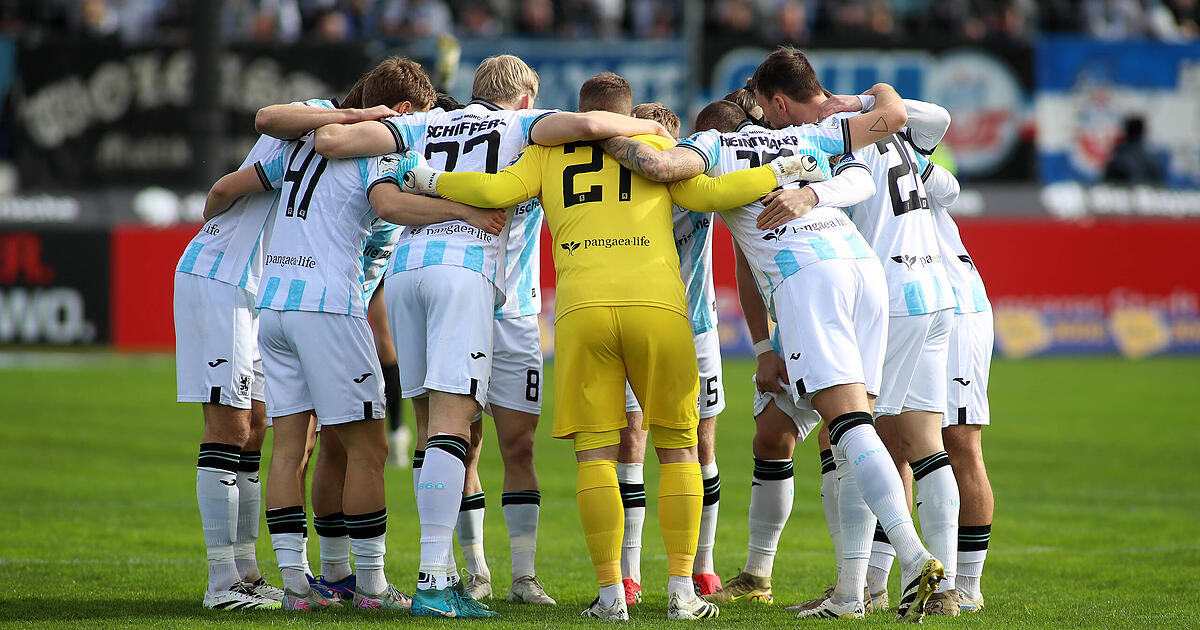
TSV 1860 München Prioritizes Promotion Over Increased Youth Funding
The German Football Association (DFB) is poised to significantly increase funding for youth development programs across the 3. Liga, boosting the total pot from €3 million to €5 million starting with the 2026/27 season. However, one club, TSV 1860 München, would seemingly prefer to forego this financial windfall, prioritizing instead a return to the 2. Bundesliga. The Bavarian club, currently in contention for promotion, views the potential financial gains of moving up a league – estimated at a substantial increase in television revenue – as a more valuable outcome than relying on the youth development funds.
This unique position stems from 1860 Munich’s strong track record in nurturing young talent. The club has consistently been among the top beneficiaries of the DFB’s youth funding program, receiving substantial payouts in recent years. While the increased funding represents a welcome boost for many 3. Liga clubs, 1860 Munich’s focus remains firmly fixed on achieving on-field success and securing promotion, a goal that would dramatically alter their financial landscape. The club’s current form, boasting five consecutive wins, underscores their determination to achieve this objective.
A History of Youth Development Success
TSV 1860 Munich has long been recognized for its commitment to developing young players. The club’s dedication to its youth academy has consistently placed it among the leading recipients of funding from the DFB’s Nachwuchsfördertopf (Youth Development Fund). In the past three seasons, 1860 Munich has received significant financial support: approximately €255,000 in the 2023/24 season, a substantial €647,000 in 2022/23, and €448,000 in the 2021/22 season. The DFB established the fund in 2018 to support clubs in the 3. Liga in maintaining youth academies and fostering the development of young German players under the age of 21.
The fund aims to improve the pathway from youth academies to professional football, increasing playing time for talented young players eligible for German national teams. The financial boost is intended to reward clubs that prioritize youth development and provide opportunities for young players to gain valuable experience at the professional level. The DFB distributes approximately €2.95 million annually through this program.
Evolving Criteria for Funding Distribution
The upcoming increase in the Nachwuchsfördertopf to €5 million is accompanied by changes to the criteria used to distribute the funds. The allocation will now be based on four key parameters: the presence of a youth academy, the club’s overall youth development program, the number of players representing German youth national teams, and, crucially, the amount of playing time given to young players. The DFB is placing increased emphasis on playing time, rewarding clubs that actively integrate young talent into their first teams.
This shift in focus aligns with the broader goal of fostering a sustainable pipeline of German talent and ensuring that young players have opportunities to showcase their abilities at the professional level. Clubs that can demonstrate a commitment to both developing young players and providing them with meaningful playing time will be best positioned to benefit from the increased funding.
Kauczinski Embraces Youth, But Promotion Remains the Priority
Under the leadership of head coach Markus Kauczinski, TSV 1860 Munich has increasingly integrated players from its youth academy into the first team. Players like Sean Dulic, a central defender who has become a regular starter, and Clemens Lippmann, another promising young talent, are receiving valuable minutes. Lasse Faßmann recently made his debut for the first team while on loan to Viktoria Köln, further demonstrating the club’s commitment to developing its own players.
The integration of youth players is a key priority for both Managing Director and Head of the Youth Academy, Manfred Paula, and club President Gernot Mang. Mang previously cited a lack of opportunities for young players as a contributing factor in the dismissal of former coach Patrick Glöckner and former Managing Director Christian Werner. However, despite this commitment to youth development, the club’s primary focus remains on securing promotion to the 2. Bundesliga.
Kauczinski’s willingness to provide young players opportunities is expected to be rewarded through the DFB’s funding program, but the club is prepared to forgo this financial benefit if it means achieving its ultimate goal: promotion. The financial rewards of playing in the 2. Bundesliga are significantly greater, with television revenue increasing from approximately €1.5 million in the 3. Liga to around €7.5 million. This substantial difference underscores the club’s strategic prioritization of on-field success.
Financial Implications and Future Outlook
The potential influx of funds from the Nachwuchsfördertopf, estimated to be around €246,000 in recent years, is a valuable resource for TSV 1860 Munich. However, the club recognizes that the financial benefits of promotion far outweigh the benefits of the youth development funding. The increased television revenue, coupled with potential sponsorship opportunities and higher matchday attendance, would provide the club with the financial stability needed to further invest in its youth academy and overall infrastructure.
The DFB’s decision to increase the Nachwuchsfördertopf demonstrates its ongoing commitment to youth development in German football. The new criteria for fund distribution are designed to incentivize clubs to prioritize the development and integration of young players, ensuring a sustainable pipeline of talent for the future. While TSV 1860 Munich may be willing to forego this funding in the short term, the club remains committed to nurturing young talent and providing opportunities for them to succeed.
The coming months will be crucial for 1860 Munich as they continue their push for promotion. The club’s success will depend on its ability to maintain its strong form, integrate its young players effectively, and capitalize on its opportunities. The outcome of the season will not only determine the club’s financial future but also its long-term prospects for success.
The next key date for TSV 1860 Munich is their upcoming match against [Opponent Name] on [Date], a crucial fixture in their promotion campaign. Fans and stakeholders will be closely watching to see if the team can continue its winning streak and solidify its position in the league standings. We encourage readers to share their thoughts and predictions in the comments below.
Keep reading
- Sandnes Residents Rush to Sell Gold Heirlooms in Langgata: “It Was Crazy
- Tourism Professionals Face Wave of Cancellations Amid Financial Fragility
- University of Iowa International Writing Program Secures Funding After Losing Federal Support (news-usa.today)
- Labour Faces Structural Barriers Despite Surging Youth Support (archyworldys.com)