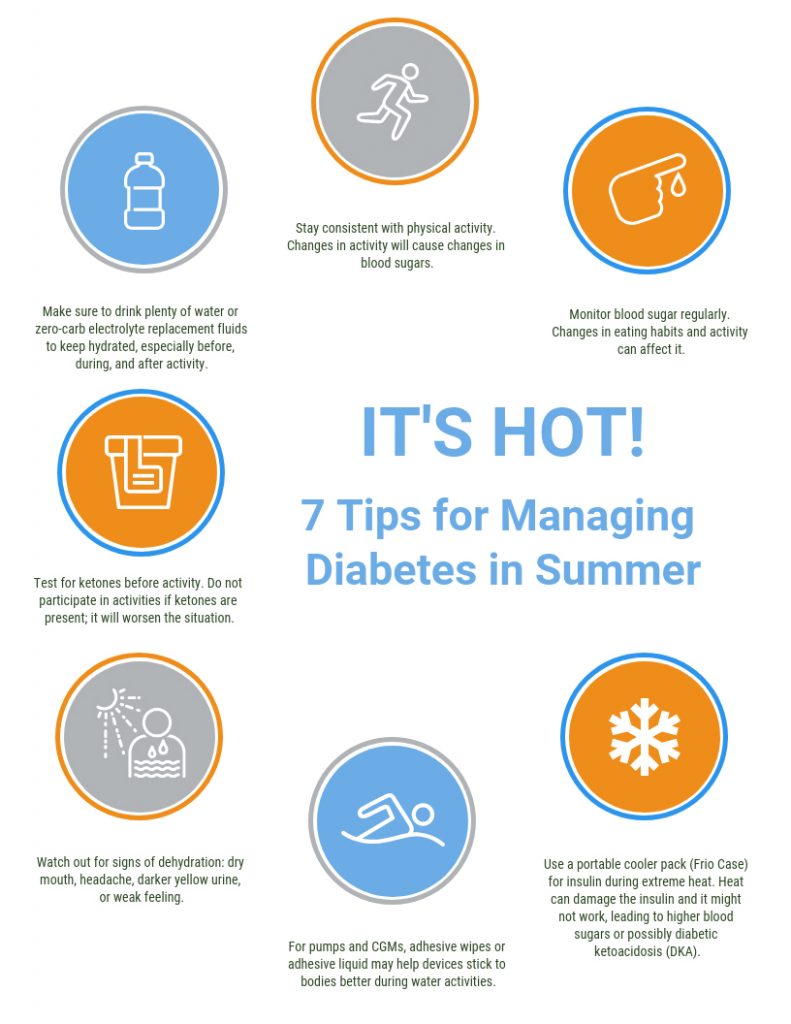
As the global thermometer continues to climb this May, the arrival of the 2026 summer season brings more than just the inconvenience of humidity and heatwaves. For the millions of people living with diabetes, extreme temperatures represent a complex metabolic challenge that requires a strategic approach to hydration and glucose management.
Heat does not affect everyone equally. For those managing diabetes, the body’s response to high temperatures can trigger unpredictable swings in blood sugar levels. While the instinct during a heatwave is to reach for a cold, refreshing beverage, many popular summer drinks are laden with hidden sugars that can send glucose levels soaring, complicating an already volatile situation.
The relationship between heat and diabetes is a dual-edged sword. On one hand, heat causes vasodilation—the widening of blood vessels—which can accelerate the absorption of insulin and potentially lead to hypoglycemia, or dangerously low blood sugar. Dehydration concentrates the glucose in the bloodstream and puts significant strain on the kidneys, which are already vulnerable in diabetic patients, potentially triggering hyperglycemia.
Navigating these risks requires more than just drinking water; it requires an understanding of how specific nutrients and fluids interact with insulin sensitivity and renal function. By prioritizing low-glycemic cooling drinks for diabetics in heat, patients can maintain their internal temperature without compromising their metabolic stability.
The Physiology of Heat and Blood Glucose
To understand why hydration is critical, one must first understand how the body reacts to thermal stress. When the ambient temperature rises, the body attempts to cool itself through sweating. For a person without diabetes, this is a seamless process. Though, for those with diabetes, the ability to regulate fluid balance can be impaired.
Dehydration leads to a decrease in blood volume. When there is less water in the blood, the concentration of glucose increases, leading to higher blood sugar readings. This creates a vicious cycle: high blood sugar (hyperglycemia) causes the kidneys to work harder to filter out the excess glucose through urine, which in turn increases fluid loss and worsens dehydration. According to the American Diabetes Association, this cycle can, in severe cases, increase the risk of diabetic ketoacidosis (DKA), a life-threatening complication.
Simultaneously, heat can produce insulin more potent. Increased blood flow to the skin and muscles during heat exposure can cause injected insulin to be absorbed more rapidly than usual. In other words that a dose of insulin that works perfectly in a climate-controlled room might cause a sudden drop in blood sugar when the patient is outdoors in the sun.
Safe and Natural Cooling Drinks for Diabetics
The goal for summer hydration is to lower the core body temperature and replace lost fluids without introducing simple sugars that cause insulin spikes. While water is the gold standard, variety is essential for long-term adherence to hydration goals.
Infused Waters
Adding natural flavor to water without adding sugar is the most effective way to stay hydrated. Cucumber-infused water is particularly beneficial; cucumbers have a high water content and contain antioxidants that support skin health during sun exposure. Similarly, adding fresh mint leaves or slices of lemon provides a refreshing taste and may help in suppressing appetite, which is often disrupted by heat.
Unsweetened Iced Teas
Green tea and hibiscus tea are excellent cooling options. Hibiscus tea, in particular, is known for its tart flavor and has been studied for its potential to help manage blood pressure, a common co-morbidity for those with type 2 diabetes. To keep these drinks diabetic-friendly, they must be brewed and chilled without the addition of honey, agave, or refined sugar.
Diluted Vegetable Juices
For those needing a boost of electrolytes, a diluted mixture of celery or spinach juice can provide essential minerals like potassium and magnesium. These electrolytes are lost through sweat and are crucial for muscle function and preventing cramps during heatwaves. However, these should be consumed in moderation to avoid excessive caloric intake or interference with certain medications.
The Role of Sparkling Water
For patients who miss the carbonation of sodas, plain sparkling water with a squeeze of fresh lime is a safe alternative. It provides the sensory satisfaction of a soft drink without the glycemic load that would necessitate additional insulin dosing.
Protecting Kidney Function Through Hydration
The kidneys act as the body’s primary filtration system, and in patients with diabetes, they are often under constant stress. During the summer, the risk of acute kidney injury (AKI) increases significantly due to the combined effects of dehydration and hyperglycemia.
When the body is dehydrated, blood flow to the kidneys decreases. This reduction in perfusion can lead to a temporary decline in kidney function. For patients already dealing with diabetic nephropathy, this can accelerate the progression of kidney disease. Maintaining a consistent intake of fluids ensures that the kidneys can effectively clear waste products and excess glucose from the blood.
hydration is not just about the quantity of water, but the timing. Drinking small amounts of water frequently throughout the day is more effective for cellular hydration than consuming a large volume of water in a single sitting, which can lead to rapid excretion without adequate absorption.
The Essential Summer Safety Kit
Managing diabetes in the heat requires preparation. A “summer kit” is not a luxury but a medical necessity for those spending time outdoors. This kit ensures that the patient can respond immediately to the metabolic shifts caused by the weather.
- Temperature-Controlled Insulin Storage: Insulin can degrade or lose potency if exposed to extreme heat. Using a cooling pouch or a dedicated insulin travel case is critical to ensure the medication remains effective.
- Fast-Acting Glucose: As heat can increase insulin absorption, the risk of hypoglycemia is elevated. Glucose tablets, gels, or a small amount of fruit juice should be readily available to treat sudden drops in blood sugar.
- Frequent Monitoring Tools: Blood glucose levels can fluctuate more rapidly in the heat. A continuous glucose monitor (CGM) or a traditional glucometer should be used more frequently than usual during heatwaves.
- Medical Identification: A medical alert bracelet or card is essential, as heatstroke can lead to confusion or unconsciousness, making it vital for first responders to know the patient’s diabetic status.
- Sun Protection: UV exposure can increase skin temperature, further affecting insulin absorption. Broad-spectrum sunscreen and wide-brimmed hats are necessary tools for metabolic stability.
Recognizing Heat-Related Complications
It can be difficult for people with diabetes to distinguish between a hypoglycemic episode and heat exhaustion, as both can present with similar symptoms such as dizziness, confusion, and sweating.

Heat exhaustion typically manifests as heavy sweating, a rapid pulse, and nausea. If these symptoms progress to heatstroke, the body stops sweating, and the core temperature rises to dangerous levels. For a diabetic patient, this is a medical emergency, as the body’s inability to thermoregulate can lead to rapid organ failure and severe metabolic acidosis.
If a patient experiences sudden confusion or fainting during a heatwave, the first step should be to check blood glucose levels. If the levels are low, administer fast-acting glucose. If levels are normal or high, move the person to a cool environment immediately and seek emergency medical services.
Key Hydration Takeaways for Diabetics
| Beverage | Glycemic Impact | Cooling Benefit | Recommendation |
|---|---|---|---|
| Plain Water | Zero | High | Primary source of hydration |
| Cucumber/Mint Water | Negligible | High | Excellent for flavor and hydration |
| Unsweetened Iced Tea | Low | Medium | Good alternative; avoid sugar/honey |
| Diet Sodas | Low/Zero | Medium | Occasional use; not a replacement for water |
| Fruit Juices | High | Medium | Use only to treat hypoglycemia |
As we move further into 2026, healthcare providers are emphasizing the require for personalized hydration plans. What works for a patient with type 1 diabetes may differ from the needs of someone with type 2, particularly regarding the use of SGLT2 inhibitors, a class of medications that can increase the risk of dehydration and euglycemic DKA in hot weather.
The next major update on heat-health guidelines is expected from the World Health Organization (WHO) later this quarter, focusing on the intersection of climate change and chronic disease management. Patients are encouraged to consult their endocrinologist to adjust their insulin dosages or medication schedules ahead of the peak summer months.
Do you have a specific strategy for managing your health during the summer? Share your experiences or questions in the comments below to help our community stay safe and hydrated.
Keep reading