
Geriatrician Dr. Ann Vandenbroucke, who received a breast cancer diagnosis shortly before her 50th birthday, has integrated a proactive approach to longevity and health maintenance into her clinical and personal life. Following her recovery, the 55-year-old physician has emphasized the importance of lifestyle modifications, early screening, and the distinction between chronological age and physiological health.
As a specialist in geriatrics, Dr. Vandenbroucke’s professional focus involves managing the health of older patients, a role that took on a new dimension following her own cancer treatment. Her experience reflects a growing trend in medical literature: the shift toward “proactive aging,” where individuals focus on mitigating chronic disease risks through evidence-based lifestyle choices, such as regular physical activity, nutritional awareness, and consistent medical surveillance.
The Intersection of Clinical Practice and Personal Health
The diagnosis occurred at a transitional point, just before her 50th year—a period often marked by increased screening recommendations for breast cancer. According to guidelines from the World Health Organization (WHO), early detection remains the cornerstone of breast cancer control, significantly improving prognosis and treatment outcomes. For Dr. Vandenbroucke, the diagnosis served as a catalyst for re-evaluating the intersection of her clinical expertise and her own long-term health trajectory.
Her approach to healthy aging is rooted in the principles of internal medicine and gerontology. Rather than focusing solely on the absence of disease, her philosophy centers on maintaining functional capacity. This involves a commitment to regular, moderate exercise, which is widely cited by the Centers for Disease Control and Prevention (CDC) as a primary method for reducing the risk of various chronic conditions, including cardiovascular disease and certain types of cancer.
Strategies for Long-Term Wellbeing
Dr. Vandenbroucke’s routine reflects a multi-faceted approach to health, prioritizing consistency over intensity. In her professional capacity, she has observed that patients who maintain social connections, intellectual engagement, and physical mobility often experience better outcomes as they age. Applying these principles to her own life, she emphasizes the following pillars:
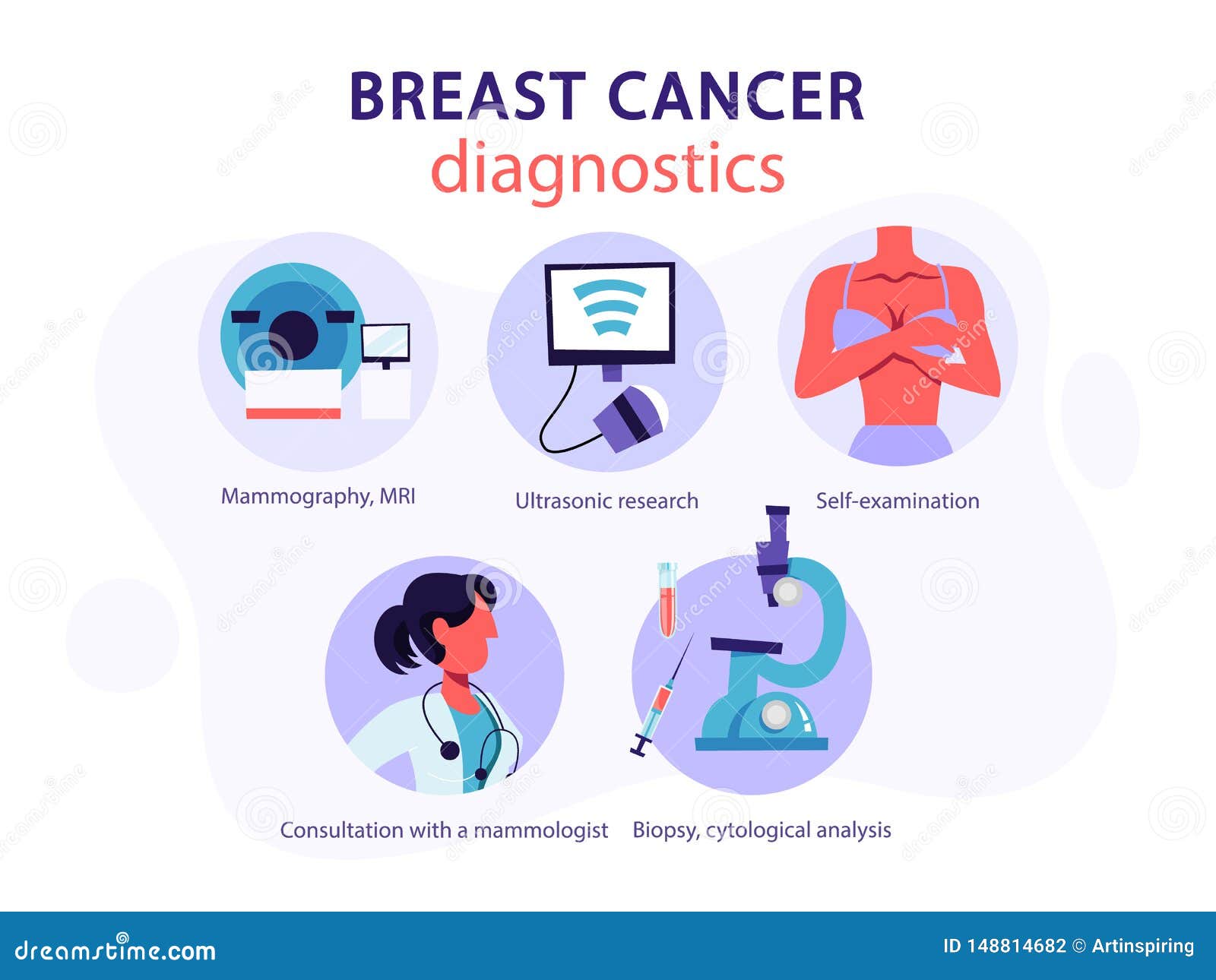
- Consistent Screening: Adhering to medical guidelines for routine check-ups and diagnostic imaging.
- Nutritional Awareness: Focusing on balanced intake that supports metabolic health.
- Physical Activity: Integrating movement into daily routines to maintain muscle mass and cardiovascular health.
- Psychological Resilience: Managing the stress associated with medical histories through mindfulness and professional support systems.
The National Institute on Aging (NIA) notes that while genetics play a role in aging, lifestyle factors—including diet, physical activity, and cognitive engagement—can significantly influence how individuals age and the onset of age-related diseases. By maintaining these habits, Dr. Vandenbroucke aims to mitigate the long-term impact of her previous diagnosis.
The Role of Preventative Medicine
The perspective of a physician who has also been a patient provides a unique lens on the healthcare system. Dr. Vandenbroucke advocates for an open dialogue between patients and providers regarding preventative care. In the field of geriatrics, this often involves “deprescribing”—the process of tapering or stopping medications that may no longer be necessary or may be causing adverse side effects—as well as focusing on lifestyle interventions before turning to pharmacological solutions.
The European Medicines Agency (EMA) and other regulatory bodies consistently emphasize the importance of benefit-risk assessments for patients, particularly as they enter their fifth and sixth decades. For Dr. Vandenbroucke, the goal is to empower her patients to take ownership of their health, just as she has done in her own recovery journey.
Looking Forward
As she continues her work in geriatric medicine, Dr. Vandenbroucke remains a proponent of the idea that aging is not merely a decline, but a process that can be managed with the right tools. Her journey underscores the necessity of regular medical oversight and the reality that even those with medical expertise must remain vigilant about their own health.
Patients seeking information regarding cancer screening or healthy aging protocols are encouraged to consult with their primary care physicians or visit their national health ministry portals for the most current, localized guidelines. Ongoing research into the biological mechanisms of aging continues to provide new insights, and patients should look for updates from peer-reviewed medical journals or accredited health organizations.
What are your thoughts on integrating preventative lifestyle changes into your own health routine? Share your experiences or questions in the comments section below.
Keep reading