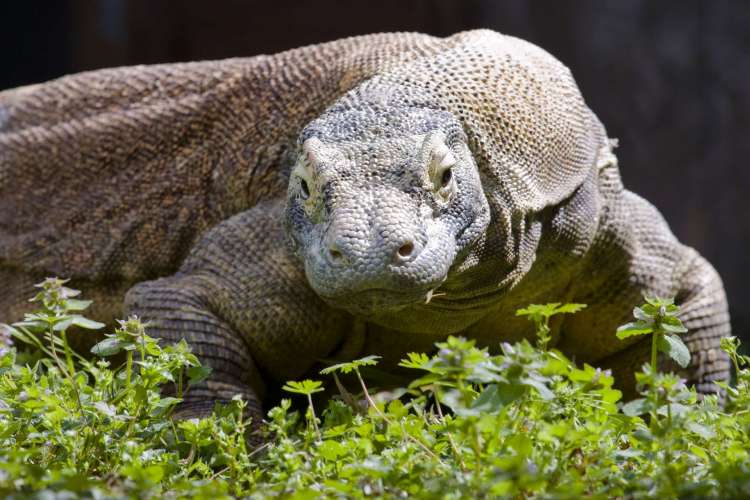
New research into the diet of Homo floresiensis, the diminutive hominins nicknamed “Hobbits,” suggests these ancient humans were likely scavengers rather than the apex predators previously imagined. A study led by anthropologists at the University of Tübingen challenges long-standing assumptions about the species’ survival strategies on the Indonesian island of Flores, indicating that large carnivores—specifically Komodo dragons—likely performed the primary hunting, while H. floresiensis took advantage of the remains.
Reevaluating the Hobbit Diet
For years, the presence of Homo floresiensis skeletal remains alongside those of extinct pygmy elephants (Stegodon florensis insularis) in the Liang Bua cave led many researchers to conclude that the Hobbits were active hunters. The theory suggested that these small-bodied hominins, who stood roughly 3.5 feet tall, coordinated to take down prey significantly larger than themselves. However, Elizabeth Veatch, an anthropologist at the University of Tübingen, argues that the taphonomic evidence—the study of how organisms decay and become fossilized—tells a different story.
According to research, the bone assemblages in the cave show marks consistent with reptilian predation rather than human butchery. Veatch and her colleagues analyzed the damage patterns on the elephant bones, finding evidence of tooth marks and digestive corrosion that align with the feeding behaviors of Komodo dragons (Varanus komodoensis). The study concluded that the hominins were likely opportunistic scavengers, arriving at carcasses after the dragons had already made the kill.
The Ecological Context of Flores
The island of Flores during the Late Pleistocene was a unique evolutionary laboratory. Approximately 60,000 years ago, H. floresiensis coexisted with a variety of endemic species, including giant rats and the aforementioned pygmy elephants. Understanding the dietary habits of these hominins is critical for paleoanthropologists attempting to reconstruct their daily lives and social structures.
By shifting the perspective from hunters to scavengers, the research team suggests that the Hobbits were highly adaptable, utilizing available resources within a competitive environment dominated by formidable predators. This finding provides a more nuanced view of the species' survival, moving away from the "master hunter" narrative toward a model that emphasizes behavioral flexibility.
Implications for Hominin Evolution
The status of Homo floresiensis remains a subject of intense scientific debate, particularly regarding their lineage and their arrival on the island.
Furthermore, this reinterpretation invites broader questions about the dispersal of early hominins. As researchers continue to examine the layers of sediment in Liang Bua, the focus remains on determining whether these hominins were the first to venture into the wider world beyond Africa, or if they represent an isolated evolutionary branch that developed unique traits in response to island isolation. The ongoing analysis of cave sediments serves as a primary record for these ancient interactions.
Ongoing Research and Future Studies
While the scavenging theory offers a compelling alternative to the hunting hypothesis, the scientific community continues to analyze new data from Flores. Future excavations are expected to focus on the spatial distribution of artifacts and fossils, which may offer further clarity on the duration of the overlap between H. floresiensis and the island's megafauna.
As academic discourse progresses, the findings from the University of Tübingen team serve as a reminder of the complexities involved in interpreting the prehistoric record. The next phase of research will likely involve comparative studies with other island-dwelling hominin sites to determine if the scavenging behavior was a localized adaptation or a broader trait of the species.