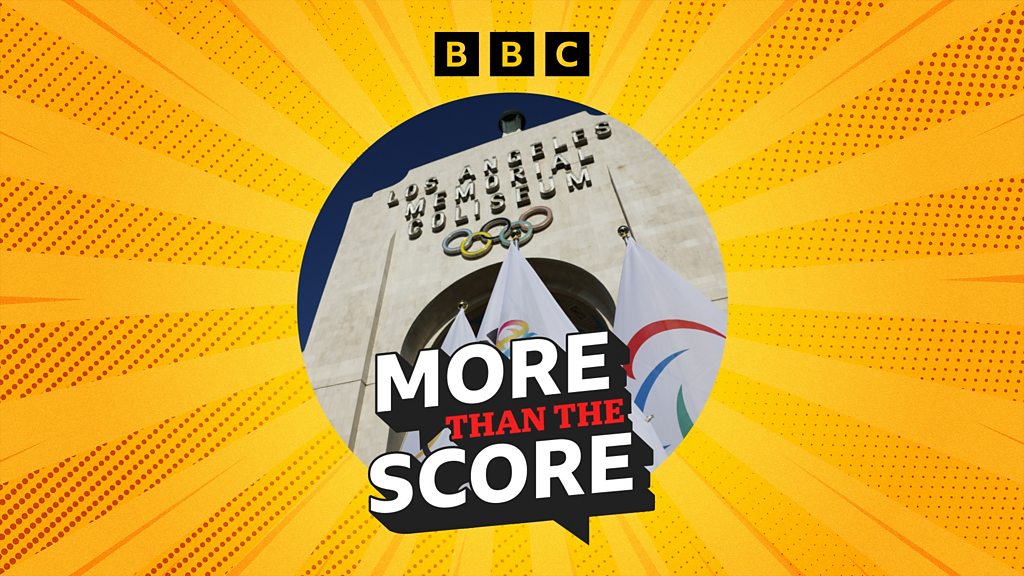
Los Angeles is leveraging the 2026 FIFA World Cup as a critical operational rehearsal for the 2028 Summer Olympics, utilizing the tournament to test transportation hubs, security protocols, and stadium readiness. According to official planning documents from the Los Angeles Organizing Committee for Olympic Games (LA28) and FIFA, the World Cup serves as a high-stakes “stress test” for the city’s infrastructure before the global spotlight shifts back to the Olympic Games in 2028.
The synergy between these two mega-events is designed to minimize the financial and logistical risks often associated with hosting global competitions. By hosting World Cup matches at venues like SoFi Stadium and the Rose Bowl, Los Angeles can refine its crowd management and transit strategies in a live environment. This approach aligns with the LA28 goal of using existing venues to avoid the “white elephant” stadium problem seen in previous host cities.
City officials and sports organizers view the 2026 tournament not merely as a football event, but as a foundational step in the city’s broader sports readiness strategy. The scale of the 2026 World Cup, which will be the first to feature 48 teams across three host nations, provides a volume of visitors and logistical complexity that closely mirrors the demands of a Summer Olympiad.
Infrastructure Stress Tests and Transit Logistics
Transportation remains the primary concern for Los Angeles, a city known for heavy traffic congestion. The 2026 World Cup will force the city to implement and test “last-mile” transit solutions—the movement of fans from major hubs like LAX and Union Station to the venues. According to the City of Los Angeles, the coordination of shuttle services, ride-share zones, and expanded public transit during the World Cup will provide a blueprint for the 2028 Olympic transport plan.
The use of the Rose Bowl and SoFi Stadium is particularly significant. Both venues require massive influxes of people into areas with limited rail access. By managing these flows in 2026, the LA28 organizing committee can identify bottlenecks in real-time. This data allows the city to adjust its 2028 strategies, such as increasing the frequency of Metro buses or refining the “Olympic Lane” concepts for authorized vehicles.
Furthermore, the 2026 event tests the city’s ability to manage “fan zones” and hospitality hubs. The integration of temporary infrastructure—such as security fencing, ticketing kiosks, and medical stations—serves as a practical exercise in rapid deployment. These elements are essential for the Olympic Village and various competition clusters that will be established across the basin by 2028.
Venue Readiness and the “No-Build” Strategy
Los Angeles has committed to a “no-build” philosophy for the 2028 Games, meaning it will rely almost exclusively on existing permanent venues. The 2026 World Cup validates this strategy by demonstrating that current facilities can handle the world’s largest sporting events without the need for costly new construction. SoFi Stadium, as a centerpiece for the World Cup, is already designed to meet the highest international standards for broadcasting and athlete facilities, which directly benefits the Olympic bid.
The operational demands of a FIFA World Cup match are rigorous, particularly regarding security and VIP hospitality. According to FIFA’s stadium requirements, venues must meet strict criteria for perimeter control and media operations. When LA venues successfully host these matches, they effectively certify themselves as “Olympic-ready,” reducing the amount of renovation and upgrading needed between 2026 and 2028.
This overlap also extends to the workforce. The thousands of volunteers and paid staff trained for the 2026 World Cup will represent a pool of experienced personnel. Training staff in crowd control, multilingual guest services, and emergency response during the World Cup creates a legacy of expertise that the LA28 committee can tap into, lowering the learning curve for the Olympic Games.
Security Coordination and Inter-Agency Cooperation
Security for a global event requires seamless coordination between local police, the Los Angeles County Sheriff’s Department, and federal agencies. The 2026 World Cup necessitates a unified command structure to manage threats and public safety. This inter-agency cooperation is a direct prerequisite for the 2028 Olympics, where the security footprint will be even larger and more distributed.
The 2026 tournament will test the city’s ability to secure high-profile athletes and dignitaries while maintaining an open, welcoming atmosphere for tourists. The protocols developed to protect World Cup stars and manage large-scale protests or disruptions will be documented and refined. These “lessons learned” will be integrated into the official security manual for LA28, ensuring that the city does not start its planning from zero in 2027.
Additionally, the cyber-security infrastructure required to protect ticketing systems and city grids from attacks during the World Cup will serve as a defensive trial. Given that the Olympics are a primary target for state-sponsored and independent cyber threats, the 2026 event provides a necessary window to identify vulnerabilities in the city’s digital infrastructure.
Economic Impact and Tourism Synergy
Hosting two massive events within a two-year window allows Los Angeles to market itself as the global capital of sports. The economic ripple effect of the 2026 World Cup is expected to prime the local hospitality and tourism sectors for the 2028 Olympics. Hotels, restaurants, and transportation providers will have a chance to scale their operations and improve service quality before the Olympic surge.
According to tourism data from the Visit California board, the influx of international visitors for the World Cup will increase the city’s global visibility, potentially driving higher ticket sales and sponsorship interest for the 2028 Games. The “halo effect” of a successful World Cup can attract corporate sponsors who want a multi-year presence in the Los Angeles market.
However, this concentration of events also risks “event fatigue” and price inflation. Local businesses must balance the short-term gains of the World Cup with the long-term sustainability required for the Olympics. The city’s ability to manage pricing and accessibility during the 2026 event will be a key indicator of whether the 2028 Games remain accessible to local residents or become exclusive enclaves for wealthy tourists.
Comparison of Event Scales
While both events are global, their footprints differ. The World Cup is concentrated around a few massive stadiums, whereas the Olympics are spread across dozens of smaller venues. The 2026 event tests “peak load” capacity at specific points, while the 2028 Games will test “distributed load” across the entire city.
| Feature | 2026 World Cup (LA Focus) | 2028 Summer Olympics |
|---|---|---|
| Venue Strategy | Concentrated (Stadium-centric) | Distributed (City-wide) |
| Primary Goal | Match Execution & Fan Flow | Multi-sport Coordination |
| Infrastructure Focus | Mass Transit to Hubs | City-wide Mobility |
| Workforce | Event-specific Volunteers | Massive Multi-discipline Staff |
The World Cup acts as the “sprint” that tests the city’s maximum capacity, while the Olympics will be the “marathon” that tests its endurance over 17 days. Success in 2026 will provide the confidence and the data needed to ensure the 2028 Games do not succumb to the logistical failures that have plagued other host cities.
The next confirmed checkpoint for LA28 is the continued rollout of the venue master plan and the finalization of the 2026 World Cup match schedules, which will dictate the exact flow of traffic and security needs for the city. Residents and stakeholders are encouraged to follow official updates from the LA28 and FIFA portals to stay informed on transit changes.
Do you think Los Angeles is doing enough to prepare its transit system for these events? Share your thoughts in the comments below.