The Invisible Cost of Convenience: How Digital Payments Reshape Our Relationship with Money
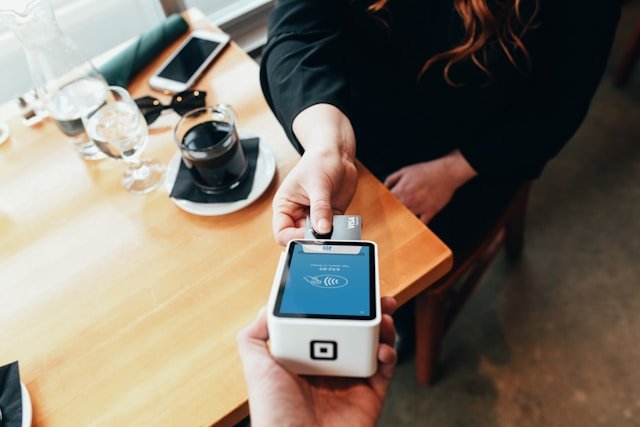
The simple act of buying something has undergone a dramatic transformation in recent decades. Where once transactions involved the tangible ritual of counting bills and feeling the weight of coins – a physical manifestation of spending – today, much of our economic activity occurs with a frictionless ease. Money, in many ways, has develop into invisible, flowing through screens and plastic with remarkable speed. This shift isn’t merely about convenience; it’s fundamentally altering our perception of value and, crucially, how we manage our finances. The ease of digital transactions, particularly through credit cards, introduces a psychological distance from spending, impacting our financial decision-making in ways we are only beginning to fully understand.
This evolving landscape presents both opportunities and challenges. While digital payments offer unparalleled convenience and efficiency, they also create a potential for overspending and a diminished awareness of financial consequences. Understanding the psychological mechanisms at play – how our brains process digital money differently than physical cash – is crucial for navigating this new economic reality. The increasing reliance on credit and digital wallets demands a more conscious approach to financial management, one that acknowledges the subtle but powerful ways in which “invisible” money influences our spending habits.
The core of this shift lies in the decoupling of the act of spending from the immediate pain of paying. Traditionally, handing over cash created a visceral connection to the loss of funds. Now, a swipe or a tap often feels abstract, delaying the realization of the financial impact. This delay, coupled with the increasing complexity of financial products, can lead to a disconnect between spending and budgeting, ultimately impacting financial well-being. As the Banco Central de la República Argentina has noted, this environment necessitates a more financially literate populace capable of navigating the complexities of the digital financial world.
The Psychology Behind Intangible Consumption
Numerous studies in behavioral finance demonstrate a consistent pattern: people tend to spend more when payment is not tangible. This lack of physical contact with currency creates what experts refer to as a “soft zone” in our minds. Within this psychological space, the distance between the purchase and the economic loss diminishes the rationality of our decisions. Behavioral economics has explored this phenomenon under the concept of the “pain of paying.” Research confirms that the brain processes the loss of money similarly to a mild physical discomfort. However, modern digital tools effectively anesthetize this immediate sense of loss.
This effect is amplified by the increasing prevalence of digital wallets and contactless payments. The impact of digital money on daily life has eliminated traditional barriers to physical exchange. A 2021 study by researchers at Carnegie Mellon University found that people were willing to pay significantly more for items when using a credit card compared to cash, demonstrating the diminished perception of cost associated with non-tangible transactions. The study highlighted that the emotional response to spending is weaker with credit cards, leading to increased expenditure.
The Brain and the Reward Circuit
Biologically, the human brain is wired to prioritize immediate rewards over future consequences. When we desire a product, an emotional circuit activates, seeking quick satisfaction and instant pleasure. Historically, paying with cash acted as a natural brake on this biological impulse. Physical money forced individuals to evaluate whether the desired object was truly worth the material sacrifice. Deferred financing disrupted this equation, allowing gratification to arrive long before the actual cost is incurred.
Using tools like a credit card, the economic burden appears fragmented or postponed. This system reduces the perception of sacrifice, making expenses seem smaller within the overall budget. The brain’s reward system is activated by the anticipation of the purchase, and the delayed payment minimizes the negative emotional response typically associated with spending. This can lead to impulsive purchases and a gradual accumulation of debt. It’s crucial to understand that exceeding a credit card limit can generate unexpected debts if not managed carefully, as highlighted by financial experts.
Consumption as an Extension of Identity
In contemporary society, buying is no longer solely about meeting survival needs or market practicality. Economic choices function as an extension of personality and individual values. We select services and brands that construct a narrative about who we are, or who we aspire to be. Social media has amplified this phenomenon, transforming each purchase into a shared story. Travel experiences, dinners, or technological devices become visual elements that fuel a constant public identity.
This performative aspect of consumption is particularly pronounced among younger generations, who often use social media to curate an idealized version of their lives. The desire to project a certain image can drive spending on items that are not necessarily essential, but are perceived as status symbols or markers of belonging. This creates a cycle where consumption becomes less about fulfilling needs and more about signaling identity and social status. In this way, invisible money not only moves the economy but also shapes our aspirations and connections. Each small transaction silently reveals our priorities in the everyday world.
Strategies for Regaining Financial Control
The current challenge isn’t to avoid technology, but to learn to coexist with it consciously and healthily. One of the most effective tactics is to review account activity weekly rather than waiting for the statement. Establishing automatic alerts on your phone helps to recall each operation performed in real-time. Another growing trend is the allocation of thematic budgets for categories such as leisure, food, or education. This practice allows you to visualize the monetary flow and reduce the sense of disorder generated by digitization.
utilizing budgeting apps and financial tracking tools can provide a clearer picture of spending habits. These tools often categorize expenses, identify areas where cuts can be made, and offer personalized insights into financial behavior. The Organisation for Economic Co-operation and Development (OECD) offers guides on consumer behavior in the digital age, emphasizing the importance of financial literacy and responsible spending habits. The OECD’s resources provide valuable information on managing finances in a digital world.
Even options for loans can resolve emergencies under clear savings criteria. Responsible planning is key to making payment tools allies, not obstacles. Financial education is, the best antidote against the invisibility of modern money. It’s about cultivating a mindful approach to spending, recognizing the psychological biases that influence our decisions, and proactively managing our finances in a digital age.
Key Takeaways
- The Pain of Paying is Diminished: Digital payments reduce the psychological discomfort associated with spending, leading to increased expenditure.
- Reward Circuits are Activated: The brain’s reward system is triggered by the anticipation of purchases, especially when payment is delayed.
- Identity and Consumption are Linked: Purchases often serve as expressions of identity and social status, driving non-essential spending.
- Mindful Management is Crucial: Regularly tracking expenses, setting budgets, and utilizing financial tools are essential for regaining control.
Looking ahead, the trend towards increasingly digital and contactless payments is likely to continue. Financial institutions and policymakers will need to prioritize financial literacy initiatives and develop tools to aid consumers navigate this evolving landscape. The future of finance will depend on our ability to understand and mitigate the psychological effects of “invisible” money, ensuring that convenience doesn’t arrive at the cost of financial well-being.
What strategies do you use to stay on top of your finances in the digital age? Share your thoughts and experiences in the comments below.
Worth a look