
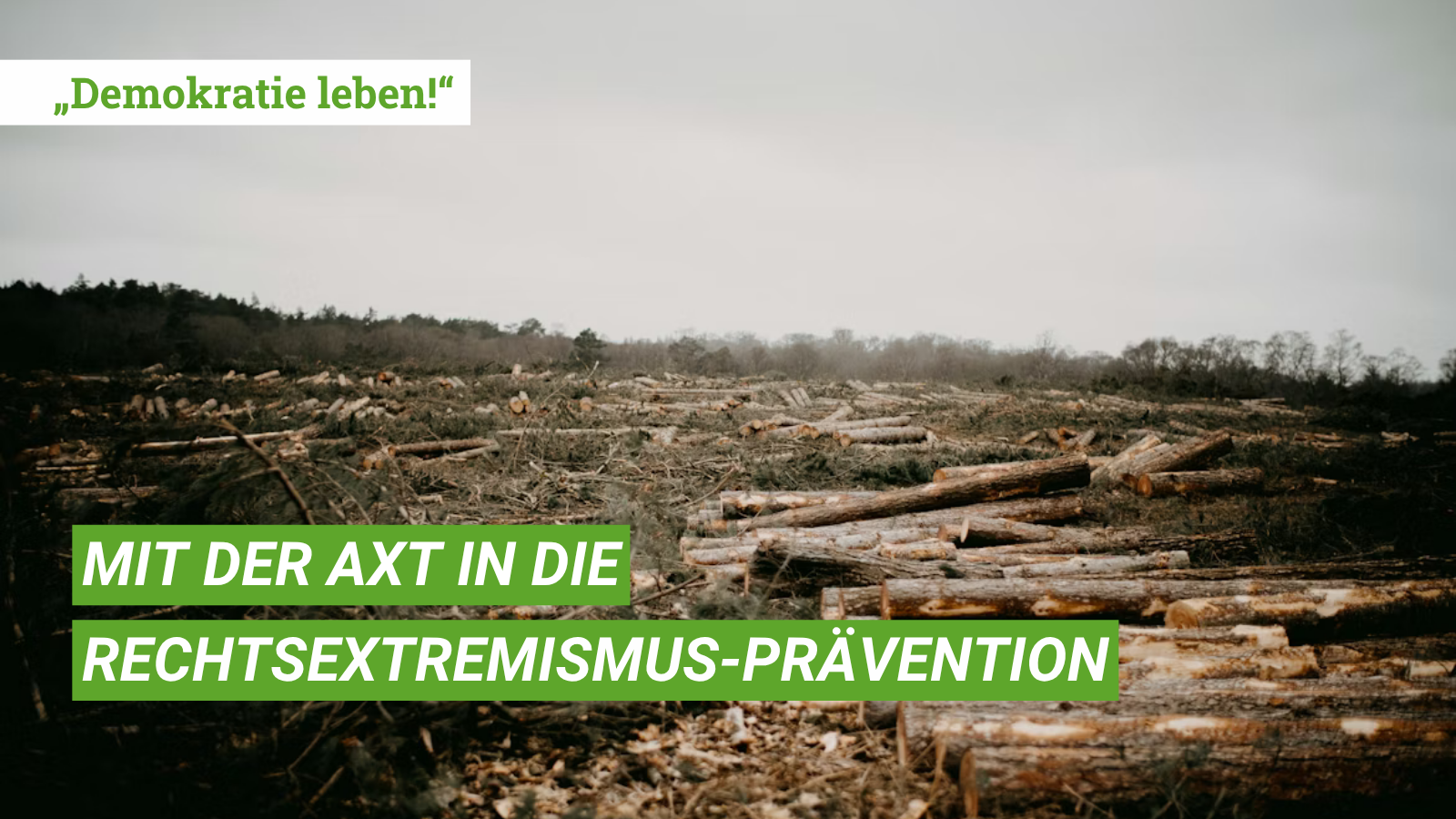
The German Federal Ministry for Family Affairs, Senior Citizens, Women and Youth (BMFSFJ) has updated its funding guidelines for the “Demokratie leben!” (Live Democracy!) program, placing an increased emphasis on identifying and countering political extremism within digital environments. The revised framework, which officially took effect in 2024, mandates that projects receiving federal support must actively address radicalization patterns occurring on social media platforms, gaming communication channels, and encrypted messaging services, according to the official federal guidelines.
This policy shift represents a strategic pivot for the German government, acknowledging that modern recruitment for extremist ideologies has largely migrated from physical public spaces to decentralized digital networks. By integrating these requirements into the “Demokratie leben!” program, the federal government aims to standardize the response to online hate speech and extremist grooming, particularly among younger demographics who spend significant time in gaming and social media ecosystems.
Addressing Radicalization in Digital Spaces
For years, researchers have noted that digital spaces serve as primary arenas for the dissemination of extremist propaganda. The updated guidelines require grantees to demonstrate how their digital outreach and prevention strategies reach users where they spend their time. As reported by the Federal Agency for Civic Education (bpb), radicalization processes often begin with non-political content in gaming chats, where users are gradually introduced to exclusionary rhetoric through “edgy” memes or coded language that avoids immediate platform moderation.
The “Demokratie leben!” program, which receives hundreds of millions of euros in annual funding, serves as the cornerstone of Germany’s preventative domestic policy. According to the Ministry’s official portal, the program currently supports over 600 local partnerships across the country. The new mandate requires these local entities to develop specific competencies in digital literacy and community management to effectively engage with youth who may be susceptible to online extremist influence.
Risk Assessment and Funding Accountability
The inclusion of stricter digital requirements has sparked debate regarding the balance between government oversight and the autonomy of non-governmental organizations (NGOs). Critics and project coordinators have raised concerns about the administrative burden of documenting digital interventions, while proponents argue that the funding risk is necessary to ensure that public money remains aligned with current security challenges.
The Ministry has clarified that funding is contingent upon the applicant’s ability to provide a clear concept for digital intervention. This is part of a broader effort to modernize how the state monitors the impact of its civil society investments. Detailed documentation requirements, which can be found in the program’s official implementation handbook, emphasize the need for measurable outcomes in digital spaces, such as the effectiveness of counter-narrative campaigns and the reach of educational content in gaming communities.
What Comes Next for Project Implementers
Organizations currently receiving “Demokratie leben!” funding must align their existing projects with these updated guidelines during the next review cycle. The Federal Ministry has scheduled regional briefings throughout late 2024 to assist local partners in adapting their digital strategies. These meetings are intended to provide clarity on how to report digital engagement metrics without compromising the privacy of the individuals they aim to reach.
As the government moves toward this more integrated digital strategy, the success of the program will likely be measured by its ability to adapt to the shifting landscape of social media algorithms. The next major report on the program’s efficacy is expected to be presented to the Bundestag in early 2025, providing a comprehensive analysis of how these digital-first initiatives are performing at the local level. Stakeholders are encouraged to monitor the BMFSFJ official website for upcoming submission deadlines and revised grant application forms.
What are your thoughts on how digital spaces should be monitored for extremism? Join the conversation by sharing your perspective in the comments section below.