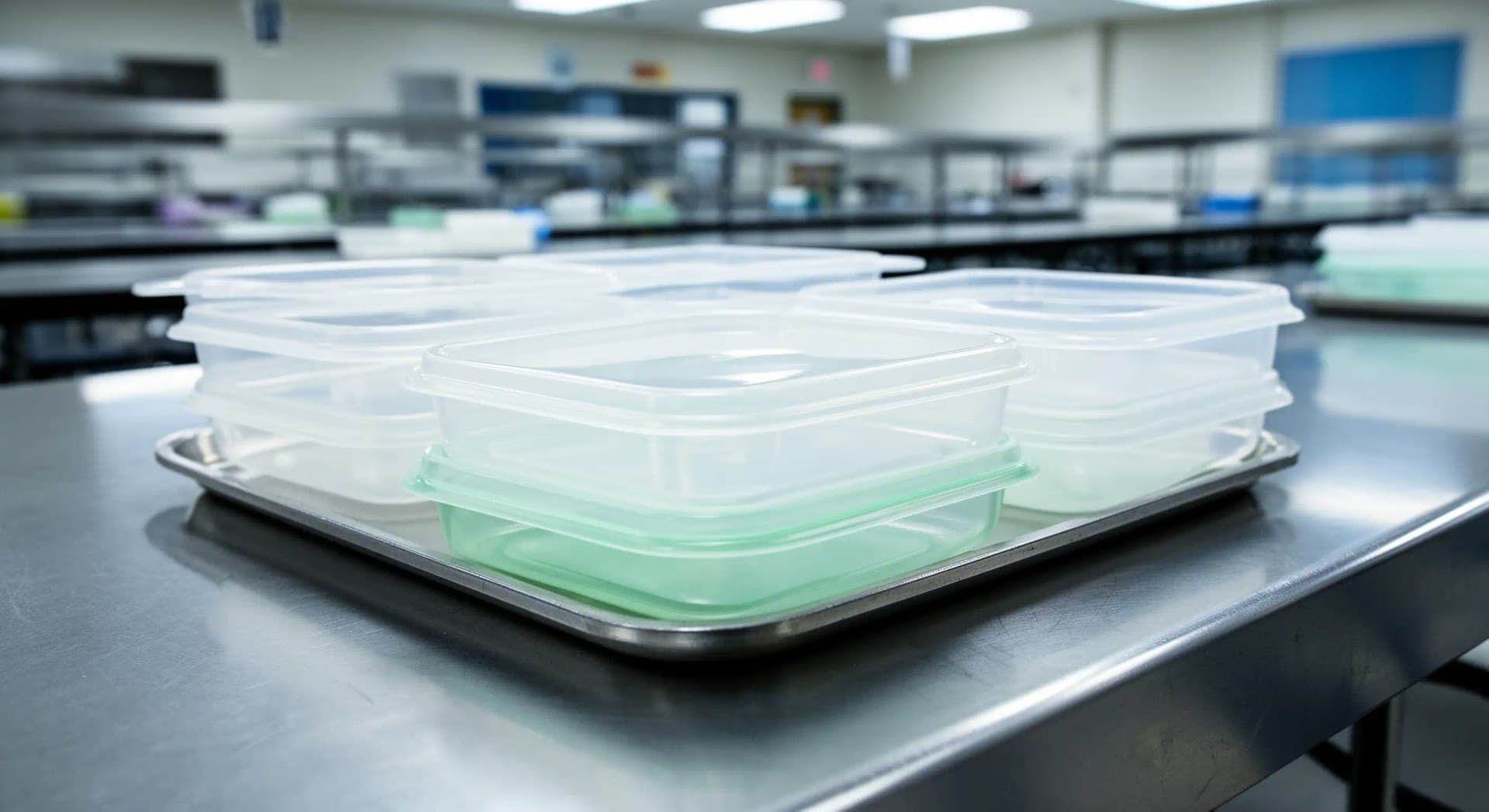
The city of Dijon is phasing out plastic food containers in its school cafeterias, transitioning to stainless steel as part of a broader municipal effort to improve food quality and environmental sustainability. This shift, which aligns with national French legislation regarding single-use plastics, marks a significant change in how school meals are managed and served to students across the municipality.
According to local municipal reports, the move to stainless steel is intended to reduce chemical migration from plastic materials into food while simultaneously cutting down on single-use waste. This initiative is part of the broader Loi Anti-Gaspillage pour une Économie Circulaire (AGEC), which has mandated the progressive elimination of plastic in public catering services across France since 2020. By replacing plastic trays and containers with durable, non-porous stainless steel, the city aims to ensure that high-temperature food preparation and storage do not compromise the safety of school meals.
The Regulatory Framework for French School Canteens
The transition in Dijon is not an isolated local preference but a direct response to federal mandates aimed at improving environmental health in public institutions. Under the AGEC law, French public canteens were legally required to stop using plastic containers for heating, cooking, and serving food by January 1, 2025, for all municipalities. This legal deadline represents a culmination of years of legislative pressure to remove bisphenol A and other endocrine disruptors from the food chain.
The French Senate’s assessment of public catering highlights that the move toward stainless steel is considered safer for long-term health, as these materials do not degrade under heat. For parents and school staff, this means that while the logistics of cleaning and managing heavy metal containers are more complex than disposing of plastic, the long-term health outcomes for children are viewed as the primary driver for the change.
Operational Challenges and Environmental Impact
Implementing a stainless-steel system requires significant infrastructure adjustments. Unlike plastic, which is often treated as a single-use or limited-use commodity, stainless steel requires specialized dishwashing facilities and increased labor for maintenance. Dijon city officials have noted that the durability of steel containers significantly lowers the volume of waste generated by school kitchens, contributing to the city’s broader climate goals.
The transition also addresses the environmental footprint of school catering. By shifting to a circular model—where containers are washed and reused thousands of times—the city reduces its reliance on petrochemical-based plastics. The Agence de la transition écologique (ADEME) frequently cites the reduction of single-use plastics in public canteens as a priority for reducing municipal waste streams, noting that stainless steel remains the gold standard for high-volume, food-grade safety in institutional settings.
What This Means for Local Students
For the students and families of Dijon, the change is primarily seen in the quality of the meal delivery. Stainless steel maintains heat more effectively than plastic, which is expected to improve the temperature and texture of served meals. Furthermore, the removal of plastic containers eliminates concerns regarding the leaching of microplastics into hot food, a concern that has been documented in various scientific studies regarding plastic food containers.
The city has not yet released a final report on the total cost of this transition, but initial estimates suggest that the investment in high-quality kitchen equipment is offset by the reduction in recurring costs for purchasing single-use plastic supplies. This shift is expected to be fully integrated across all public school sites within the district by the end of the current academic cycle.
Next Steps for Municipal Oversight
The city of Dijon is expected to conduct a review of the new system’s efficiency following the full implementation of the stainless-steel mandate. This review will include an analysis of water usage for industrial dishwashing and the overall durability of the new equipment. Parents looking for information on the nutritional and safety standards of the new canteen policies can consult the official Dijon municipal website for updates on local school infrastructure projects.
The municipal government continues to monitor compliance with the national standards set by the Ministry of Agriculture and Food. Further updates regarding the expansion of these sustainability initiatives are expected during the next municipal council meeting, where budget allocations for facility maintenance will be discussed. Readers are encouraged to share their experiences regarding school meal quality in the comments section below to facilitate a community discussion on these environmental improvements.