
The Seoul Institute has released the 20th volume of its “Seoul History Research” series, focusing on the sophisticated mechanisms of Joseon Dynasty diplomacy in Hanyang, the kingdom’s capital. This latest academic compilation provides a comprehensive examination of how the Joseon government managed international relations, specifically detailing the protocols surrounding foreign envoys, the structured hospitality afforded to visiting dignitaries, and the specialized training of interpreters known as yeokgwan.
According to the official publication records from the Seoul Institute, the research serves as a definitive look at the administrative and cultural infrastructure that sustained the kingdom’s foreign policy between 1392 and 1897. By cataloging the management of diplomatic documents and the rigid ceremonial requirements of state visits, the volume offers new insights into how Hanyang functioned as a hub for regional diplomacy in East Asia.
The Role of Diplomatic Protocol in Joseon Hanyang
Diplomacy during the Joseon era was not merely a matter of political negotiation but a highly codified social and ritual performance. The new research highlights that the reception of foreign envoys—primarily from the Ming and Qing dynasties of China—required meticulous planning that spanned several government bureaus. These protocols ensured that the state’s prestige was maintained while simultaneously securing critical trade and political intelligence.
The National Museum of Korea notes that the reception of envoys often involved the Taepyeonggwan, a specialized guest house in Hanyang designed to accommodate foreign dignitaries. The research clarifies that the maintenance of these facilities and the logistics of providing state-sanctioned entertainment were central to the Joseon government’s ability to project sovereignty. Every aspect of the visit, from the welcoming ceremonies to the exchange of gifts, was documented to ensure adherence to established precedents.
Interpreters and the Mechanics of Communication
A significant portion of the 20th volume is dedicated to the yeokgwan, or professional interpreters, who served as the essential bridge between the Joseon court and foreign powers. These individuals were not merely translators; they were vital intermediaries who often possessed deep knowledge of foreign markets, geography, and political shifts. The research underscores that the state invested heavily in the systematic training of these professionals to minimize diplomatic friction.
As detailed by the Academy of Korean Studies, the yeokgwan occupied a unique social stratum. Despite their critical role in state survival and international trade, they were often excluded from the highest echelons of the aristocratic yangban class. This duality—being indispensable to the state yet socially marginalized—remains a subject of intense interest for historians studying the era’s social mobility and bureaucratic structure.
Diplomatic Documentation and Archival Integrity
The management of diplomatic correspondence was a cornerstone of the Joseon administrative machine. The new volume explores how the government curated, stored, and verified documents exchanged with foreign empires. This record-keeping was essential for maintaining consistency in long-term diplomatic stances, especially when dealing with the complex tributary relationships that defined East Asian geopolitics for centuries.
Historical evidence preserved by the National Archives of Korea confirms that the Joseon court maintained rigorous standards for the transcription and preservation of these documents. The research published by the Seoul Institute utilizes these archives to map out the chain of command, showing that the Ministry of Rites (Yejo) held primary responsibility for overseeing the flow of information between Hanyang and foreign capitals.
Understanding the Legacy of Joseon Diplomacy
Why does this research matter in the current context of global studies? By examining how Hanyang navigated its position in a competitive regional landscape, historians can better understand the evolution of modern diplomatic norms. The strategies employed by the Joseon administration to balance national security with economic necessity through formal diplomacy remain a relevant case study in international relations.
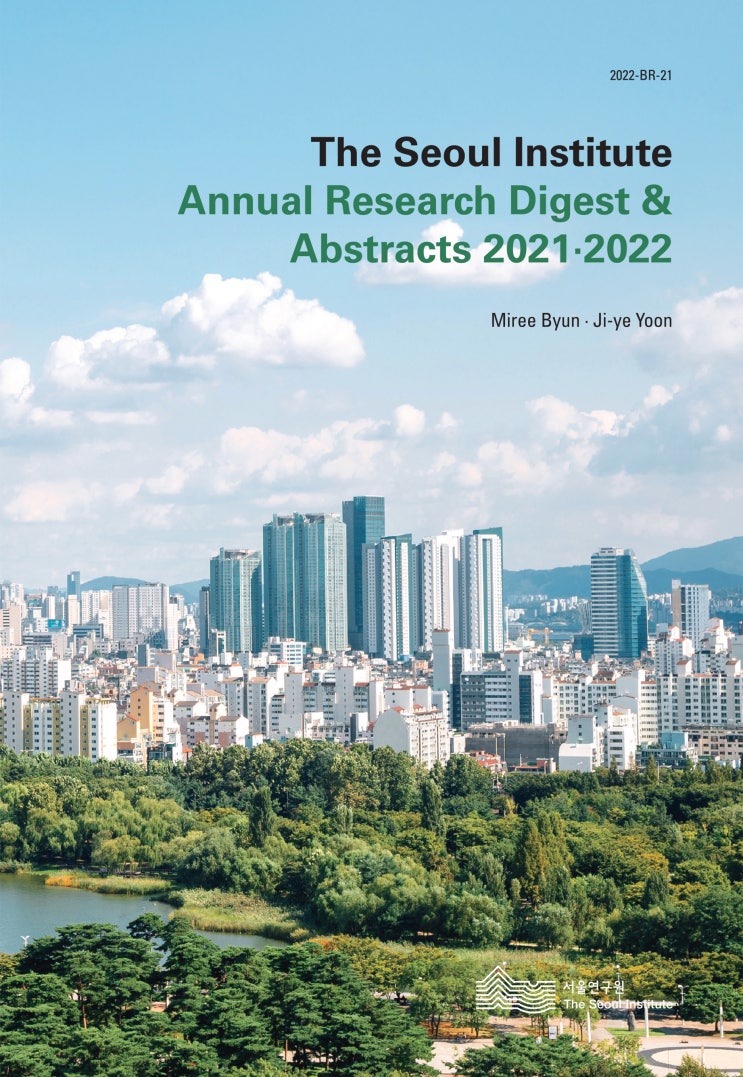
The 20th volume of the “Seoul History Research” series is now available through the Seoul Institute’s official publication portal for researchers and the general public. Readers interested in the specifics of these diplomatic records can monitor the Seoul Institute website for future updates on related historical symposiums and public lectures. We welcome your thoughts on how these historical diplomatic practices compare to modern statecraft—please share your perspectives in the comments section below.
Related reading