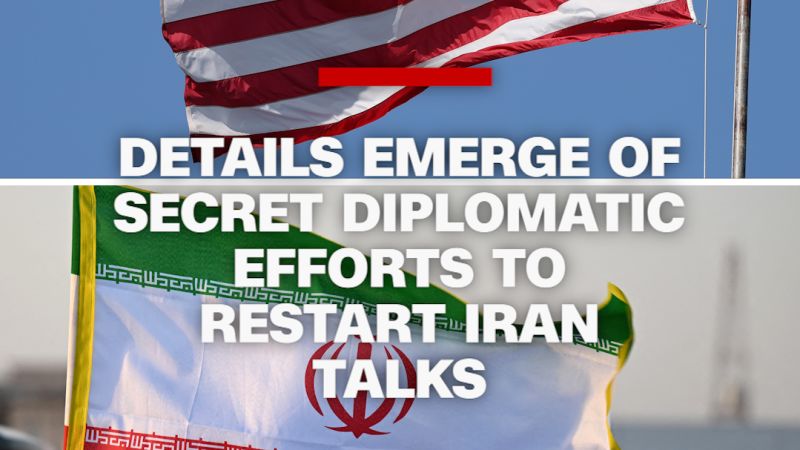
On Thursday, April 23, 2026, the fragile truce between the United States and Iran remains in jeopardy following a series of escalating incidents that have tested diplomatic efforts to de-escalate tensions in the region. According to multiple verified reports, the situation intensified after Iranian media announced the rejection of a U.S.-proposed 48-hour ceasefire, coinciding with claims that two American fighter jets were shot down over disputed airspace. These developments come amid ongoing diplomatic attempts to prevent a broader conflict, including a second round of talks held in Islamabad aimed at halting hostilities between the U.S., Israel, and Iran.
The breakdown in negotiations was first highlighted by Iranian state media, which stated that Tehran had formally dismissed the American offer for a short-term truce, citing insufficient guarantees regarding sanctions relief and regional security concerns. Shortly thereafter, Iranian officials claimed responsibility for downing two U.S. Military aircraft, a claim that has not been independently verified by international defense monitors or U.S. Central Command as of this reporting. The U.S. Has not officially confirmed the loss of any aircraft, maintaining standard operational security protocols regarding sensitive military movements.
Earlier in the week, President Donald Trump announced an extension of the existing truce framework, conditioning its continuation on Iran’s submission of a formal proposal addressing nuclear enrichment levels and missile development activities. In a separate statement reported by Il Sole 24 ORE, Trump asserted that an Iranian vessel had been “struck and seized” by U.S. Forces in the Strait of Hormuz, alleging a violation of maritime ceasefire agreements. Tehran swiftly denounced the action as piracy, warning of imminent retaliation if such incidents recur.
These conflicting narratives underscore the extreme fragility of the current détente, which has relied heavily on backchannel communications and intermittent verbal agreements rather than binding treaties. Analysts note that without transparent verification mechanisms and mutual concessions on key issues—including uranium enrichment limits, ballistic missile testing, and regional proxy influence—any truce remains susceptible to collapse from miscalculation or provocation.
The Islamabad talks, described by diplomatic sources as a “second round” of indirect negotiations, involved representatives from Switzerland (acting as protecting power for U.S. Interests in Iran) and Omani mediators facilitating communication between Washington and Tehran. While no joint statement was issued following the talks, participants reportedly discussed frameworks for prisoner exchanges, humanitarian access in conflict-affected zones, and temporary restrictions on naval maneuvers in the Gulf of Oman.
For global audiences, the stakes extend beyond immediate military confrontations. Prolonged instability in the region continues to disrupt global oil markets, affect shipping lanes critical to international trade, and complicate efforts to address humanitarian crises in Yemen and Syria, where Iranian and U.S.-aligned forces operate in proximity. The humanitarian impact includes restricted access to medical supplies in border regions and increased displacement among civilian populations near flashpoint areas.
As of this date, no formal meeting between U.S. And Iranian officials has been scheduled, though backchannel discussions are understood to continue through neutral intermediaries. The next verifiable checkpoint will be any public statement from the U.S. State Department or Iran’s Ministry of Foreign Affairs regarding the status of diplomatic engagement, which observers suggest could come within the coming week if de-escalation efforts are to prevail.
Staying informed through credible, transparent sources is essential as this situation evolves. Readers are encouraged to follow official channels for updates and to share verified information to help counteract misinformation during times of heightened tension.
Related reading