
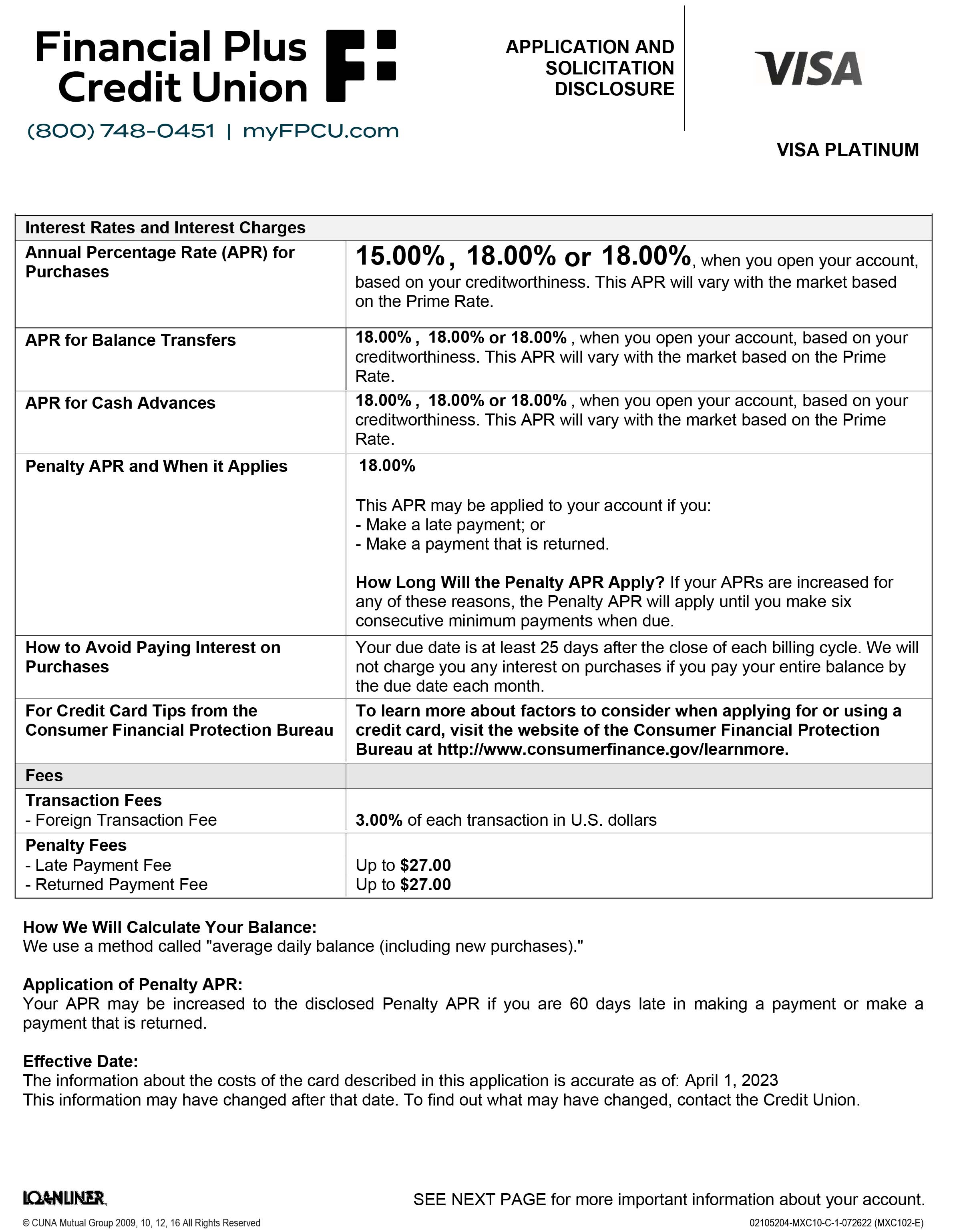
European consumers face significant changes to their financial protections as the European Union implements the revised Consumer Credit Directive (CCD II), which member states must fully integrate into national law by November 2026. This regulatory update aims to modernize protections for digital-age borrowing, tightening rules for products such as overdrafts, credit cards, and “buy now, pay later” services to ensure transparency and prevent over-indebtedness, according to the official text of Directive (EU) 2023/2225 published by the European Parliament and the Council.
The directive mandates that lenders provide clearer, standardized information to consumers before any credit agreement is signed. By shifting the focus toward responsible lending, the European Commission intends to close regulatory loopholes that previously left short-term, low-value credit products—often popular in e-commerce—outside the scope of traditional banking oversight. These changes are designed to help borrowers better understand the total cost of credit, including interest rates and administrative fees, before committing to repayment schedules.
Expanding Scope to Modern Credit Products
One of the most notable aspects of the 2026 credit regulations is the inclusion of previously unregulated or lightly regulated credit forms. Under the new framework, “buy now, pay later” (BNPL) schemes and other short-term loans that were often exempt from the 2008 directive now fall under strict consumer protection standards. According to the European Commission’s guidance on consumer finance, this means lenders must perform thorough creditworthiness assessments to ensure that the borrower can reasonably afford the repayment.

This requirement is specifically intended to curb the risk of consumers accumulating multiple small debts that, when combined, exceed their financial capacity. The rules also apply to overdrafts and credit card facilities, requiring providers to be more transparent about the consequences of exceeding credit limits. Borrowers will receive more detailed information regarding the costs associated with “revolving” credit, where the balance and interest payments can fluctuate over time.
Enhanced Transparency and Information Duties
Financial institutions are now required to present the “Standard European Consumer Credit Information” (SECCI) form in a more accessible format. The directive emphasizes that the information must be presented in a way that is clear and easy to understand, even on mobile devices or small screens. As noted by the Council of the European Union, the goal is to prevent consumers from being misled by complex marketing or hidden charges that frequently accompany credit card offers and overdraft agreements.

Additionally, the directive introduces mandatory debt advisory services. Lenders must inform consumers about the availability of debt counseling, particularly if they are struggling with repayments. This is a proactive measure intended to provide a safety net for vulnerable borrowers, encouraging early intervention before financial distress leads to long-term insolvency or legal action.
Protections Against Predatory Practices
The 2026 regulations also tackle the aggressive marketing of credit products. Member states are required to ensure that advertisements for credit are fair and not misleading. Specifically, the directive prohibits advertisements that suggest credit is an easy way to improve financial situations or that link credit availability to the absence of a creditworthiness assessment. According to the European Parliament’s summary of the legislation, these restrictions are vital to protecting younger consumers and those with limited financial literacy from falling into high-interest debt traps.
Furthermore, the directive limits the interest rates or the total cost of credit that can be charged for certain types of loans, a move aimed at preventing usurious practices. By capping costs, regulators hope to stabilize the market and ensure that credit remains a tool for financial utility rather than a source of exploitation.
What Consumers Should Expect Next
As the November 2026 deadline for full national implementation approaches, consumers should expect to see updated terms and conditions from their banks and credit card providers. Financial institutions are currently in the process of auditing their internal systems to align with the new reporting and assessment requirements. The European Banking Authority (EBA) and national regulators are expected to issue detailed guidelines in the coming months to assist firms in this transition.
For those currently managing credit card debt or overdrafts, it is recommended to review your existing agreements and monitor communications from your financial service provider regarding upcoming changes to your contract. For updates on how your specific country is transposing these rules, consult the official website of your national financial regulatory authority. We encourage our readers to share their experiences with recent credit updates in the comments section below as these policies begin to take effect across the continent.