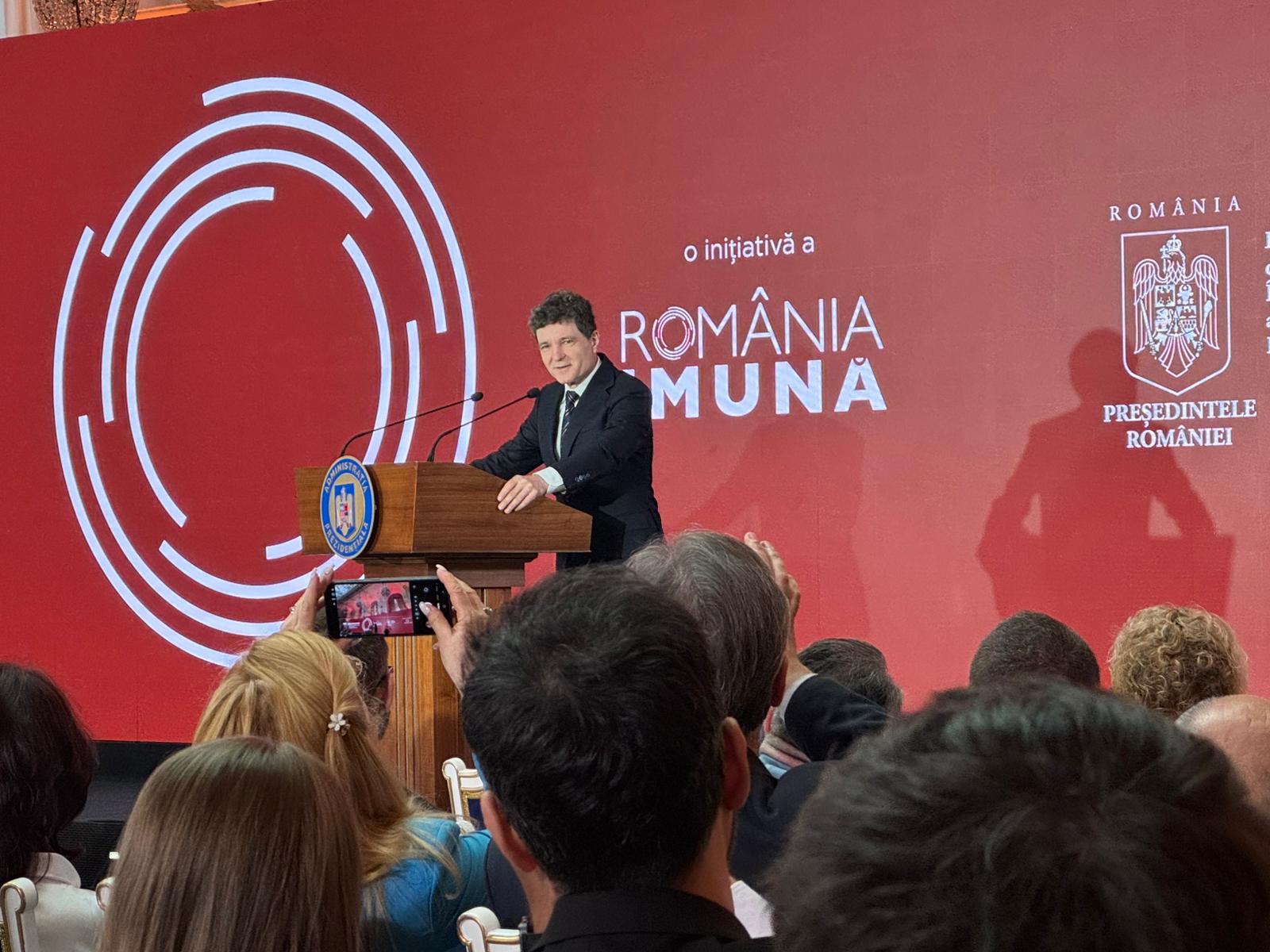
In the evolving landscape of digital communication, the challenge of misinformation has moved beyond traditional political discourse to become a fundamental test of societal cohesion. Bucharest Mayor Nicușor Dan recently addressed this critical issue, emphasizing that the proliferation of false information is not merely a matter of democratic process or ethics, but a direct strike at the mutual trust that holds a society together.
As we navigate an era where the speed of information often outpaces the ability to verify it, the gap between institutional communication and public perception has become increasingly pronounced. Nicușor Dan noted that while political figures continue to rely on traditional broadcast media, the broader public has shifted its attention to dynamic, algorithm-driven platforms like TikTok. This migration poses significant hurdles for those attempting to maintain a coherent, fact-based public dialogue in Romania.
The Erosion of Mutual Trust
The core of the issue, according to observations made by public officials, is that misinformation functions as a corrosive agent within the social fabric. We see not simply about whether a specific claim is true or false; it is about the long-term impact on how citizens perceive one another and the institutions meant to serve them. When the baseline of shared reality is compromised, the capacity for constructive debate diminishes significantly.
The dialogue surrounding this topic has been bolstered by efforts from civil society organizations. For instance, the NGO “România Imună” has been active in presenting assessments regarding the state of misinformation within social networks in Romania. Such efforts aim to provide a clearer picture of how digital narratives are shaped and the subsequent effects on public sentiment. These reports serve as a reminder that understanding the mechanics of digital influence is essential for any modern democracy.
For more information on the broader context of how digital platforms are monitored in the European Union, the European Commission’s Digital Services Act outlines the regulatory frameworks currently in place to address illegal content and systemic risks online.
Bridging the Communication Gap
A recurring theme in current discussions is the disconnect between how information is disseminated and how it is consumed. Official communication strategies often remain tethered to legacy media, while the electorate has largely moved to platforms where content is personalized and highly engaging. This dynamic makes it increasingly difficult for institutional messaging to cut through the noise.
Nicușor Dan has highlighted that effective communication requires more than just the dissemination of facts; it requires a baseline of trust that allows citizens to listen to institutional voices. Without this foundational trust, even the most accurate strategic communication efforts risk falling on deaf ears. The challenge, is twofold: improving the quality and accessibility of information while simultaneously rebuilding the credibility of the sources providing it.
This challenge is not unique to Romania; it is a global phenomenon. In many nations, the rise of digital-first consumption has led to a fragmented information environment. According to the Reuters Institute for the Study of Journalism, the reliance on social media for news consumption continues to challenge the sustainability of traditional media business models and the overall health of the digital information ecosystem.
Strategic Communication in a Digital Age
Addressing misinformation involves a multifaceted approach, ranging from media literacy initiatives to the technological regulation of social media algorithms. The discourse in Romania suggests that the focus must shift from reactive fact-checking to proactive engagement. This means meeting the public where they are, understanding their concerns, and providing clear, transparent information that addresses their needs directly.
The ongoing dialogue between policymakers, civil society, and the public is vital. It is through these interactions that a society can begin to address the vulnerabilities inherent in the digital age. As Romania continues to grapple with these issues, the emphasis on strengthening internal trust remains a primary objective for those involved in public life.
Key Takeaways
- Misinformation is identified as a threat to the mutual trust required for a functional society, rather than just a political or ethical concern.
- There is a distinct gap between the communication channels favored by politicians and the digital platforms, such as TikTok, where the public is most active.
- Civil society organizations, including “România Imună,” are working to quantify the impact of social media misinformation on the national discourse.
- Rebuilding trust is considered a prerequisite for any successful strategic communication initiative.
As this topic continues to develop, observers and the public are encouraged to look for updates from official institutional channels and established civil society monitoring groups. Maintaining a critical eye and verifying information through trusted, authoritative sources remains the most effective defense against the spread of inaccurate narratives.
We welcome your thoughts on this evolving situation. How do you see the role of digital platforms changing the way we interact with our local and national leaders? Join the conversation in the comments section below.