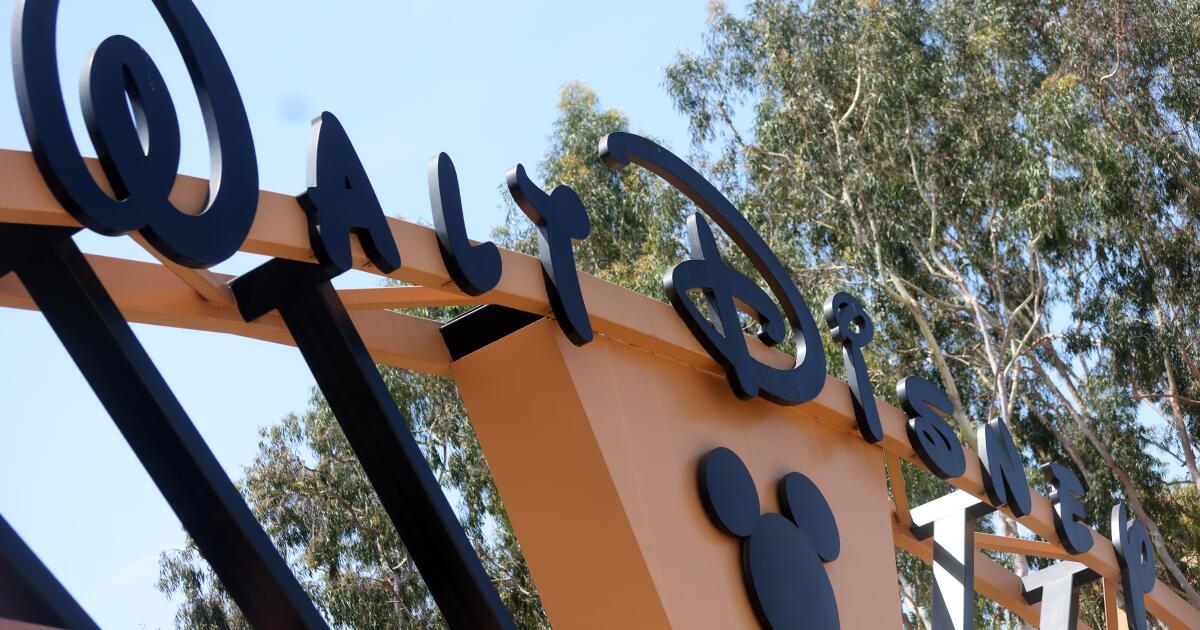
Disney and youtube TV Clash: A Deep Dive into the Latest Streaming Dispute
The world of live TV streaming is once again facing disruption as Disney and youtube TV find themselves locked in a carriage dispute, threatening access to popular channels like ESPN and ABC for millions of subscribers. This isn’t an isolated incident; it’s the latest battleground in a rapidly evolving media landscape where content providers and distributors are constantly negotiating for leverage and profitability. As a veteran observer of the media industry, I’ll break down the situation, the underlying causes, and what it means for you, the viewer.
What’s Happening?
Disney has publicly accused YouTube TV of putting subscribers at risk by refusing to meet thier economic demands. Disney argues they are seeking “fair rates” that reflect the value of their content – including live sports, news, and entertainment programming. YouTube TV counters that Disney is proposing terms that would significantly raise prices for customers and unfairly benefit Disney’s competing streaming services, Hulu + Live TV and the soon-to-be-acquired Fubo.
As of today, a deal remains elusive, and the potential for a blackout looms large, especially as key sports seasons are underway. youtube TV is offering a $20 credit to subscribers if Disney channels remain unavailable for an extended period, a gesture that acknowledges the inconvenience but doesn’t resolve the core issue.
A Pattern of Disputes – Why is This Happening Now?
This dispute isn’t happening in a vacuum. Over the past year, we’ve seen similar standoffs between YouTube TV and other major media companies:
* Fox Corporation & NBCUniversal: Both successfully negotiated new deals, avoiding channel blackouts, but not without public complaints about YouTube TV’s negotiating tactics.
* Univision: Unfortunately, Univision’s networks did go dark on YouTube TV after failing to reach an agreement, highlighting the potential consequences of these negotiations.
Several factors are driving these increasingly frequent disputes:
* The Rise of Streaming: The shift from traditional cable to streaming has fundamentally altered the power dynamics. Distributors like YouTube TV are now facing pressure to control costs while content providers are seeking new revenue streams.
* Content Valuation: Determining the “fair value” of content is incredibly complex. Disney, with its premium sports rights (ESPN) and popular entertainment (ABC, Disney Channel), believes its content is worth a premium.
* Competitive Landscape: Disney’s ownership of competing streaming services (Hulu + Live TV) adds another layer of complexity. YouTube TV alleges Disney is prioritizing its own platforms.
* Internal Shifts: The recent move of Disney’s former distribution chief, Justin Connolly, to YouTube TV, and Disney’s failed attempt to block it, adds a personal dimension to the conflict.
The Stakes are High: What’s at Risk?
The immediate impact of a blackout would be the loss of access to:
* Live Sports: NFL, college football, NBA, and NHL games on ESPN and ABC. This is particularly impactful during peak season.
* News: Popular newscasts like “Good Morning America” and “World News Tonight with David muir.”
* Entertainment: Hit shows like “Dancing with the Stars” and “Abbott Elementary,” as well as syndicated favorites like “Wheel of Fortune” and “Jeopardy!”
Beyond the immediate inconvenience, this dispute underscores the fragility of the streaming ecosystem. Consumers are increasingly reliant on these services, and disruptions erode trust.
YouTube TV’s Position & Financial Context
Launched in 2017 at $35/month, YouTube TV now costs $82.99. This price increase reflects the rising cost of content. YouTube TV recently invested heavily in securing the rights to NFL Sunday ticket, a move designed to attract sports fans.
Interestingly, despite the disputes, YouTube itself is a major player in the television revenue landscape. Last year, it generated $54.2 billion in revenue, second only to Disney among television companies, according to MoffettNathanson. This demonstrates YouTube’s growing influence and financial strength.
Looking Ahead: What Can We Expect?
These disputes are likely to continue as the streaming wars intensify. Here’s what to watch for:
* Negotiation Tactics: Expect both sides to employ public pressure and strategic maneuvering.
* Bundling & Tiered Pricing: We may see more experimentation with bundled packages and tiered pricing
Related reading