Malaysia Rethinks Aid Distribution: Moving Towards Disposable income as a Fairer Metric
Are current methods of determining who receives financial aid in Malaysia truly reaching those most in need? The government is actively exploring a shift in how it identifies target groups for assistance, with a focus on utilizing disposable income – the money you have left after essential expenses – as a more accurate benchmark. This move signals a potential overhaul of social policies designed to support vulnerable populations and ensure equitable resource allocation.
The Current System & Its Limitations
Currently, aid distribution largely relies on the Poverty Line Income (PLI). This assesses basic household needs, encompassing food, housing, healthcare, education, and non-food essentials. While a foundational approach, the PLI doesn’t always paint a complete picture of financial strain.
Income group classifications, determined through statistical modeling, categorize households based on income levels. These classifications are vital for shaping social policies and directing support.However,gross income – your total earnings before deductions – can be misleading. It doesn’t account for factors like debt, loan repayments, or regional cost of living variations. This is where the concept of household income distribution becomes crucial.
Why Disposable Income matters
Disposable income offers a more nuanced understanding of a household’s financial well-being. It reflects the actual amount of money available for discretionary spending and savings. Considering disposable income allows for a more precise identification of those genuinely struggling to make ends meet, even if their gross income appears adequate.
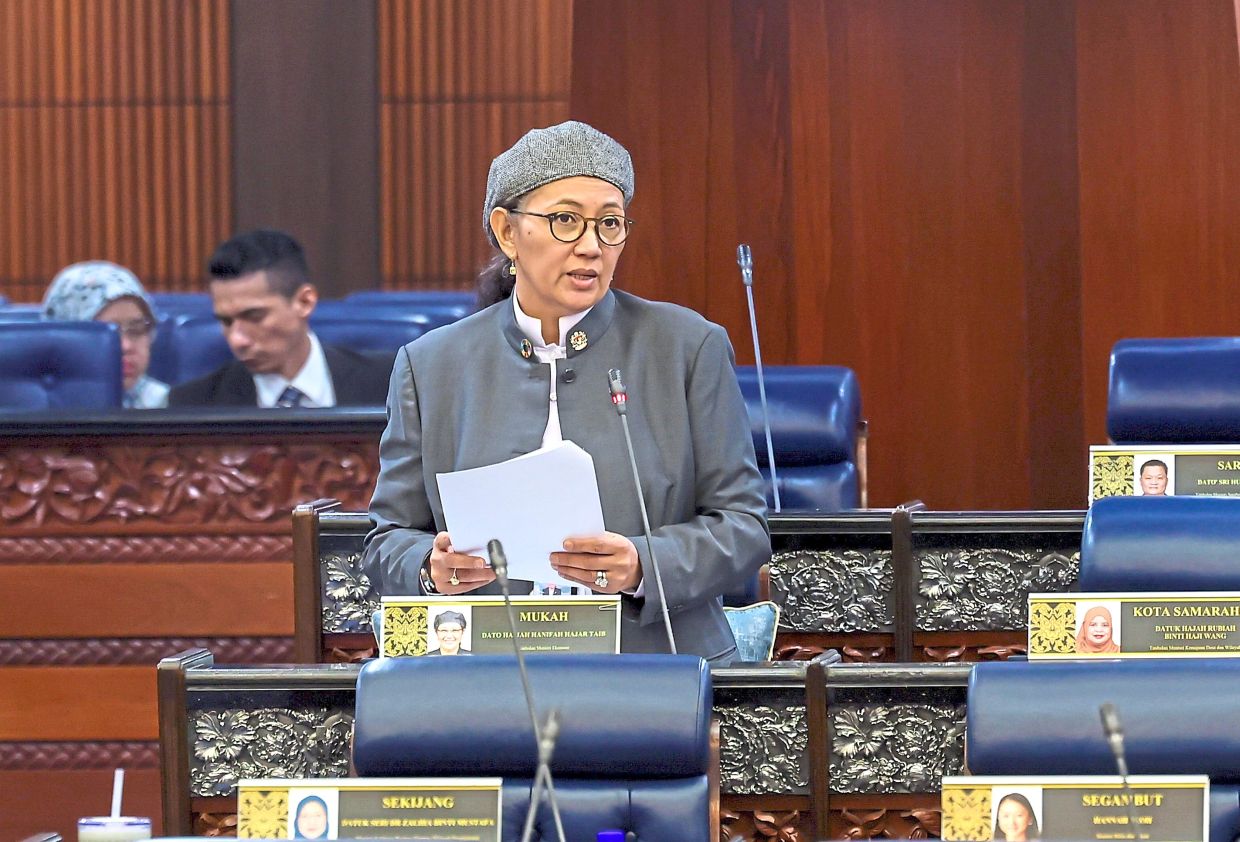
Deputy Economy Minister Datuk Hanifah Hajar Taib acknowledges the need for further study to ensure the practicality and effectiveness of this proposed shift. the goal is to create a system that is both workable and truly equitable. This aligns with broader efforts to refine social welfare programs and improve the lives of Malaysians.
Recent Income Trends: A Snapshot of Malaysia’s economic Landscape
Recent data from the Household Expenditure Survey (HIES) 2024 reveals positive income growth across all income groups. Here’s a breakdown:
* B40 (Bottom 40%): Median income rose from RM3,440 in 2022 to RM3,815 in 2024 – a 5.2% annual increase.
* M40 (Middle 40%): Median income climbed from RM7,694 in 2022 to RM8,599 in 2024, representing a 5.6% annual increase.
* T20 (Top 20%): Median income increased from RM15,867 in 2022 to RM16,517 in 2024, a 2% annual rise.
These figures demonstrate overall economic progress. Though, it’s crucial to remember that median income doesn’t tell the whole story. Disposable income, factoring in expenses, provides a more accurate reflection of financial stability.
What This Means for You: Understanding B40, M40, and T20 Thresholds
Understanding these income classifications is key to understanding the potential impact of policy changes.While specific thresholds are subject to revision based on HIES data,here’s a general overview (as of late 2023/early 2024):
* B40: households earning RM4,360 or less per month.
* M40: households earning between RM4,361 and RM10,959 per month.
* T20: Households earning RM10,960 or more per month.
These figures are constantly updated to reflect the changing economic climate. It’s significant to stay informed about the latest thresholds to understand your eligibility for government assistance programs. You can find the most up-to-date data on the department of Statistics Malaysia website (https://www.dosm.gov.my/).
Actionable Steps & what to Expect
The transition to a disposable income-based system isn’t immediate. Here’s what you can anticipate:
- Further Research: The government will conduct thorough studies to determine the feasibility and optimal implementation of the new system.
- Data Collection: Accurate data on household expenses will be crucial. This may involve enhanced
Keep reading