
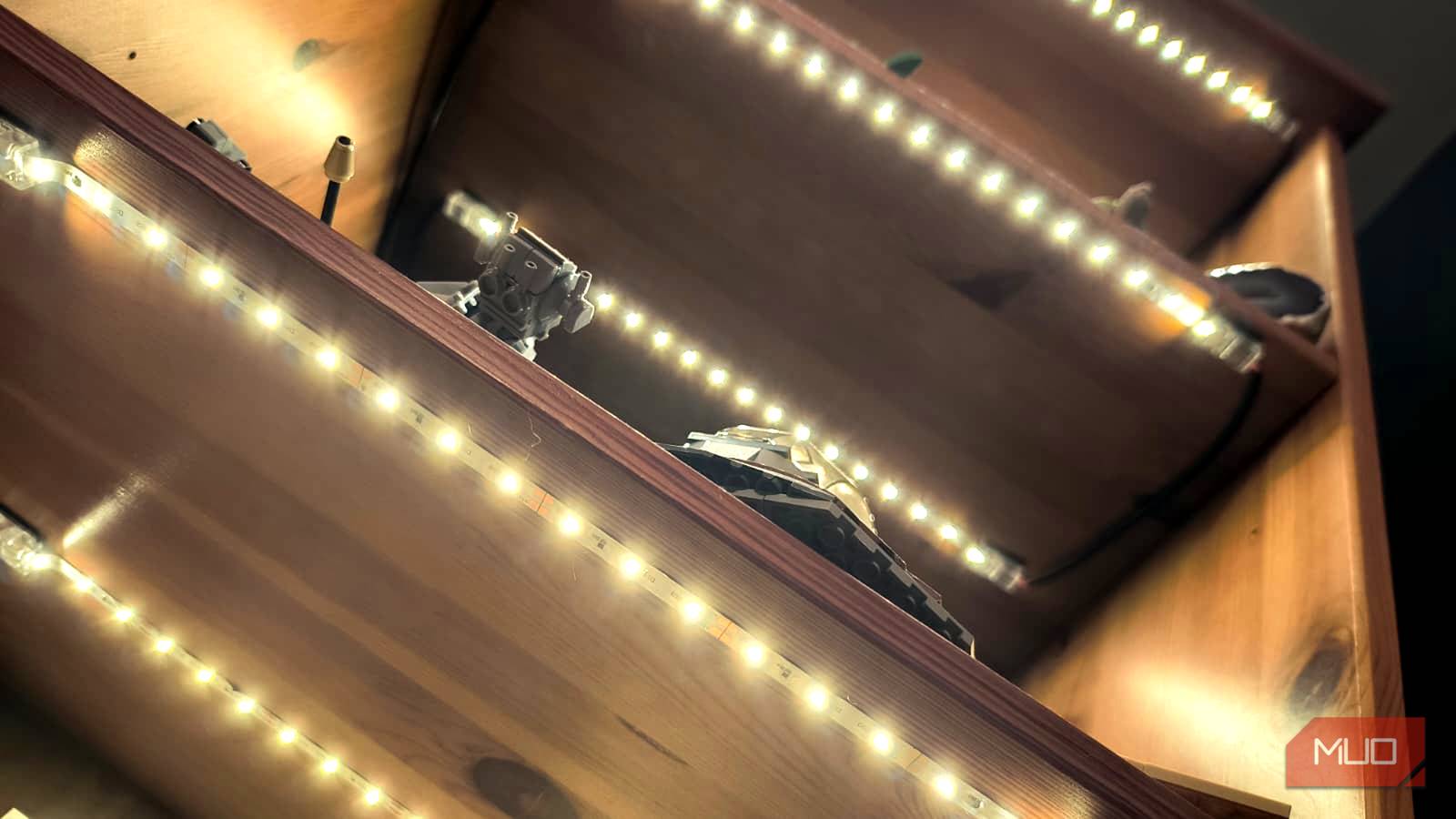
Illuminate Your Space: A Guide to DIY LEAD Shelf Lighting
Want to transform a room with a captivating glow? Adding LED strip lighting to your shelving is a surprisingly simple project that delivers a stunning, customized result.It’s a fantastic way to showcase collectibles, highlight beautiful china, or simply create a more inviting atmosphere. Let’s explore how you can bring this illuminating idea to life.
Why Choose LED Shelf Lighting?
Conventional lighting can sometimes be harsh or require complex installation. LED strip lights offer a flexible, energy-efficient, and safe choice. Here’s what makes them ideal for your next DIY project:
Easy Installation: No need for an electrician! Most LED strips are peel-and-stick, making application straightforward.
Customizable: You can cut them to length, choose from a spectrum of colors, and even control brightness.
Energy Efficient: LEDs consume considerably less power than traditional bulbs, saving you money.
Safe to the Touch: They generate very little heat, minimizing the risk of burns or damage. Versatile: Perfect for bookshelves, display cabinets, under cabinets, or any shelf you want to accentuate.
Gathering Your Materials
Before you begin, you’ll need a few key components. fortunately, everything is readily available online or at your local hardware store.
LED Strip Lights: Select a color and brightness that suits your aesthetic. Consider addressable LEDs for dynamic effects.
Power Supply: Ensure the power supply matches the voltage requirements of your LED strips. Controller (Optional): A controller allows you to adjust colors, brightness, and create lighting effects.
Adhesive Clips (Optional): These provide extra security for the LED strips, especially on textured surfaces.
Wire Connectors: For extending or connecting LED strips.
Cutting tool: scissors or a utility knife for trimming the strips to length.
Step-by-Step Installation
Now for the fun part! Follow these steps to install your LED shelf lighting:
- Plan Your Layout: Measure the length of each shelf where you want to install the lights.
- Cut the strips: Carefully cut the LED strips to the desired length, using the designated cutting marks.
- Prepare the Surface: Clean the shelf surface to ensure proper adhesion.
- Apply the Strips: Peel off the adhesive backing and carefully apply the LED strips to the underside of the shelf.
- Connect the Power: Connect the LED strips to the power supply and controller (if using).
- Test and Adjust: Power on the lights and adjust the settings to your liking. Use adhesive clips for added security if needed.
Beyond the Basics: Enhancing Your Setup
Once your basic setup is complete, you can explore additional features to elevate your lighting experience.
Motion Sensors: Automatically illuminate your shelves when you enter the room.
Smart Home Integration: Sync your lights with your smart home system for voice control and automation.
Diffusers: Soften the light output for a more subtle and ambient glow.
* Corner Connectors: Create seamless turns and angles for a polished look.
I recently completed a project like this in my own home, and the results were fantastic.The final outcome exceeded my expectations,with no signs of overheating or damage to the materials. Now,the soft glow beautifully highlights my cherished collectibles and fine china,adding a touch of elegance and depth to the room. Plus, the modular design means I can easily expand or modify the setup in the future.
If you’re looking to take your lighting to the next level,there are countless other exciting LED DIY projects to explore.Ultimately, you’re taking control of your lighting and creating a space that truly reflects your personal style.





