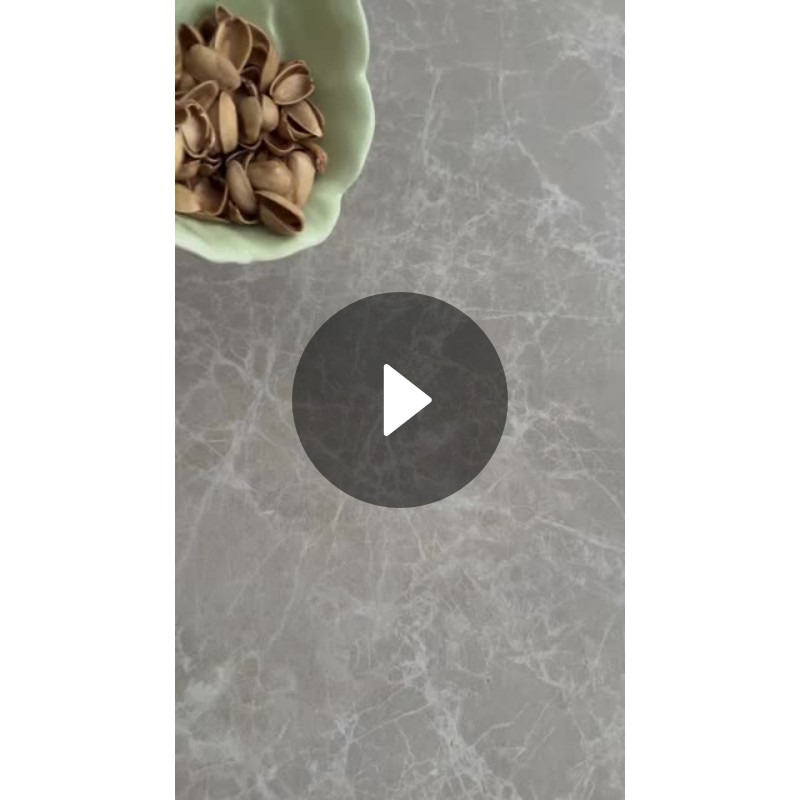
The intersection of sustainability and creativity has found a surprising modern medium in the form of discarded nut shells. A recent trend circulating on social media, highlighted by creators like Berbiedoll on Snapchat, demonstrates how common household waste can be transformed into intricate art. Specifically, the DIY miniature tulip garden craft has captured the attention of hobbyists by turning pistachio shells into vibrant, tiny botanical displays.
This movement is part of a broader surge in “upcycling” art, where the goal is to repurpose materials that would typically be sent to a landfill. By utilizing the natural curvature of a pistachio shell, crafters can mimic the organic shape of a tulip petal with minimal effort. The result is a charming, low-cost miniature garden that appeals to the growing community of dollhouse enthusiasts and miniature art collectors.
For those unfamiliar with the process, the craft typically involves cleaning the shells, painting them in bright floral hues, and assembling them onto small stems made of paper or wire. These miniature gardens often serve as decorative accents for desks or as part of larger dioramas, reflecting a desire for mindful, tactile activities in an increasingly digital age.
The Mechanics of the Miniature Tulip Garden Craft
The appeal of the pistachio shell tulip lies in its accessibility. Unlike professional miniatures that may require expensive resins or 3D printers, this project relies on materials found in most kitchens. The natural concave shape of the shell provides a ready-made “cup” for the flower head, reducing the need for complex sculpting.
According to various craft tutorials, the process generally follows a few key steps: cleaning the shells to remove salt and oils, applying a base coat of acrylic paint, and using a small amount of adhesive to secure the “petals” to a central stem. The apply of paper for the stems and leaves allows for easy customization of the garden’s height and layout, making it an ideal project for beginners or children under adult supervision.
Materials Required for the Project
- Pistachio Shells: These serve as the primary structure for the tulip petals.
- Acrylic Paint: Typically in shades of red, yellow, or pink to simulate tulip colors.
- Paper or Thin Wire: Used to create the stems and supporting structure.
- Adhesive: A small amount of craft glue or a hot glue gun for secure assembly.
- Small Pot or Base: A bottle cap or a small piece of cardboard to hold the miniature arrangement.
Why Miniature Crafting is Trending in 2026
The rise of “Lilliputian-sized treasures,” as noted by some design observers, is not an isolated phenomenon. There has been a documented increase in the popularity of miniatures since the global pandemic, as people sought solace in controllable, detailed environments. The psychological appeal often stems from the “cuteness” factor and the satisfaction derived from achieving high levels of detail on a small scale.
the influence of short-form video platforms like Snapchat and TikTok has accelerated the spread of these tutorials. When a creator like Berbiedoll shares a visually satisfying transformation of a shell into a flower, it triggers a viral loop where viewers are encouraged to attempt the craft themselves. This “micro-hobbying” allows individuals to engage in creative expression without requiring a dedicated studio space or a significant financial investment.
The Role of Upcycling in Modern Art
Upcycling—the process of transforming waste materials into products of better quality or value—is a core component of this trend. By shifting the perception of a pistachio shell from “trash” to “raw material,” these crafts promote a more sustainable approach to consumption. This aligns with global efforts to reduce household waste and encourages a circular economy at the domestic level.
Practical Tips for Achieving Professional Results
While the craft is simple, a few professional touches can elevate a miniature garden from a basic project to a piece of art. To ensure the tulips look realistic, crafters are encouraged to use a technique called “layering,” where different shades of the same color are applied to the base and edges of the shell to create depth.
the choice of “soil” for the miniature garden can make a significant difference. Instead of using actual dirt, which can attract pests or mold in a miniature setting, many artists use dried coffee grounds, brown kinetic sand, or small pebbles. This provides a clean, stable base for the paper stems while maintaining the aesthetic of a real garden.
For those looking to expand their miniature collection, the same technique can be adapted for other flora. For instance, using smaller seeds or different types of nut shells can allow for the creation of succulents or daisies, expanding the diversity of the miniature landscape.
Key Takeaways for Aspiring Crafters
- Sustainability: Using pistachio shells is an eco-friendly way to create art without purchasing new plastics.
- Low Barrier to Entry: The materials are inexpensive and readily available, making it an inclusive hobby.
- Mindfulness: The precision required for miniature assembly can act as a form of stress relief and focus.
- Customization: The project is highly adaptable, allowing for a variety of colors and garden layouts.
As the community of miniature artists continues to grow, more creators are expected to share innovative ways to use organic waste in art. While there are no official industry dates for the next major “miniature expo,” the trend remains a staple of social media creativity. Readers are encouraged to experiment with their own household materials and share their results online.
Do you have a unique way of upcycling household waste into art? Share your projects in the comments below or tag us in your photos to be featured in our next tech and trends roundup.