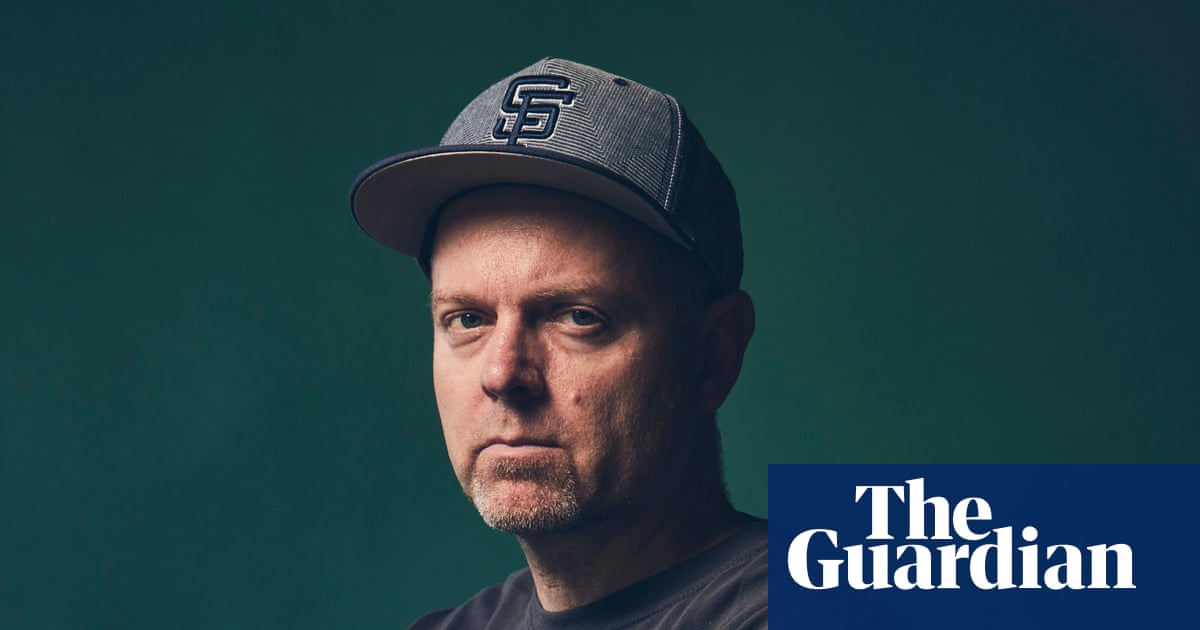
Josh Davis, better known as DJ Shadow, has long been recognized as a pioneering figure in instrumental hip-hop and electronic music. In a recent interview published by The Guardian, he reflected on pivotal moments in his career, including a decision that shaped his artistic trajectory and his enduring admiration for the German electronic pioneers Kraftwerk.
The conversation, conducted on April 16, 2026, touched on Davis’s reflections about opportunities he chose not to pursue. He revealed that in 1999, he was approached by the alternative metal band Deftones to contribute to their album White Pony, but declined due to concerns about being typecast within hip-hop circles. Davis explained that he was “nursing a hip-hop image and reputation” at the time and felt wary of collaborating on a project that seemed too rock-oriented. While he does not regard the decision as a regret, he acknowledged it as a missed opportunity to participate in what he described as a “pretty seminal album.”
Davis also addressed his evolving approach to music production, particularly his shift toward sample-free techniques in recent years. He attributed this change to both practical and artistic considerations: the financial and legal complexities of sample clearance, and a desire to explore new creative avenues beyond his established reputation as a sample-based innovator. He noted that he had often wondered whether relying heavily on samples would limit his ownership of his own catalog, estimating that he might retain only a small percentage of his work due to clearance obligations.
Throughout the interview, Davis emphasized the lasting influence of Kraftwerk on his artistic development. He described the band as “a touchstone for every phase of my career,” citing their innovative use of technology and minimalist aesthetic as foundational to his own approach to music-making. This sentiment aligns with his long-standing appreciation for electronic music that blends precision with emotional resonance.
The interview also referenced Davis’s work with the musical project Unkle, particularly their debut album Psyence Fiction, released in 1998 via Mo’ Wax. Produced during a period of collaboration between Davis and James Lavelle, the album featured contributions from various guest musicians and marked a significant moment in the evolution of trip-hop and instrumental hip-hop. Davis noted that his involvement with Unkle preceded the 1999 Deftones invitation, placing the timeline of events in clear sequence.
Regarding his creative process, Davis spoke about the importance of staying fresh and avoiding creative stagnation. He discussed how stepping away from familiar methods—such as heavy reliance on sampling—allowed him to experiment with live instrumentation and original composition. This shift, he said, was not merely a response to industry pressures but also a deliberate effort to expand his artistic vocabulary.
When asked about regrets, Davis maintained a reflective tone, distinguishing between mistakes and decisions made with sound reasoning at the time. He framed his choice not to work on White Pony as a product of his mindset in the late 1990s, when genre boundaries felt more rigid and artistic identity was closely tied to musical categorization. His current perspective, he suggested, allows for greater appreciation of cross-genre collaboration, even if he remains confident in the logic of his earlier choice.
The discussion also included brief mentions of other influences, such as filmmaker David Lynch, whose atmospheric and surreal storytelling has resonated with Davis’s own approach to mood and texture in music. While the interview did not elaborate extensively on this point, it underscored the breadth of Davis’s inspirations beyond music alone.
As of the interview date, no further announcements have been made regarding upcoming projects or releases from DJ Shadow. Readers interested in his work can explore his discography through official channels, including his releases on labels such as Mo’ Wax and his more recent independent ventures.
If you found this insight into DJ Shadow’s career and creative philosophy valuable, consider sharing it with others who appreciate the evolution of electronic and hip-hop music. Your thoughts and reflections are welcome in the comments section below.