
For decades, the “console wars” were fought on a single, decisive battlefield: the exclusive title. The logic was simple and potent—if you wanted to play a specific, critically acclaimed franchise, you had to buy the specific piece of plastic and silicon that housed it. From the early days of the 16-bit era to the high-fidelity battles of the current generation, first-party exclusives served as the primary incentive for consumers to commit to a hardware ecosystem.
However, the landscape of interactive entertainment is undergoing a fundamental shift. As the industry moves toward a service-centric model, the traditional power of the “system seller” is being challenged. The rigid walls that once separated PlayStation, Xbox, and Nintendo are becoming porous, as publishers and platform holders alike prioritize reach, recurring revenue, and ecosystem flexibility over strict hardware lockdowns.
This transition suggests that while exclusive content remains a significant draw, its relative influence on the decision to purchase a console is evolving. The modern gamer is increasingly weighing the value of subscription libraries, cross-platform compatibility, and digital accessibility against the allure of a single exclusive franchise. For industry analysts and hardware manufacturers, the question is no longer just about who has the best games, but who provides the most seamless access to them.
As a software engineer turned journalist, I have watched this trajectory closely. The shift isn’t just a marketing change; This proves a structural evolution in how software is delivered and monetized. When the primary goal shifts from selling a one-time hardware unit to maintaining a lifelong subscription, the strategy regarding exclusivity must inevitably change.
The Erosion of the “System Seller” Paradigm
The concept of the “system seller”—a game so desirable that it drives hardware sales regardless of the console’s other merits—was the cornerstone of gaming retail for thirty years. In this model, a title like The Legend of Zelda or God of War acted as a gateway, forcing a consumer into a specific ecosystem where they would then spend years buying more software.
Today, that relationship is becoming more complex. The rise of high-performance PCs and the ubiquity of digital storefronts have diminished the “lock-in” effect. When a platform holder eventually brings their “exclusive” titles to PC—a trend seen aggressively with Sony Interactive Entertainment and more recently with Microsoft—the urgency to buy the console on day one decreases. Consumers who are comfortable on PC may simply wait for the port, knowing that the “exclusive” status is often temporary.

the growth of multiplatform development means that the vast majority of “AAA” titles are available across all major systems. When the biggest hits of the year—such as the Call of Duty series or EA Sports FC—are available everywhere, the exclusive titles must carry an exponentially heavier load to justify a hardware purchase. If the exclusive library doesn’t offer a transformative experience, the consumer is more likely to choose hardware based on price, controller ergonomics, or the preferences of their social circle.
The Subscription Pivot: Services Over Silicon
The most significant disruptor to the exclusivity model is the ascent of gaming services. Microsoft’s strategy with Xbox Game Pass represents a paradigm shift: the value proposition has moved from the “box” to the “catalog.” By offering a rotating library of hundreds of games for a monthly fee, the incentive to buy a specific console is replaced by the incentive to subscribe to a service.
This “Netflix-ification” of gaming changes how exclusives are viewed. In a subscription model, an exclusive title is not just a tool to sell hardware; it is a tool to reduce churn and attract new subscribers. Because these services are often available on PC and cloud devices, the hardware becomes an optional accessory rather than a mandatory requirement. This decoupling of software from hardware is a primary reason why analysts suggest exclusives may hold less sway than they once did.
Sony has followed a similar, albeit more conservative, path with the expansion of its PlayStation Plus tiers. While Sony continues to lean heavily into high-budget, cinematic exclusives to maintain brand prestige, the integration of a tiered subscription service acknowledges that a steady stream of diverse content is just as important as a few “blockbuster” exclusives.
The Nintendo Exception: The Walled Garden
Despite the general trend toward openness, Nintendo remains the most prominent outlier. The company continues to employ a strict exclusivity strategy, keeping its most prized intellectual properties—such as Mario and Pokémon—entirely within its own hardware ecosystem. For Nintendo, exclusives are not just a part of the strategy; they are the strategy.
This approach works for Nintendo because they occupy a unique market niche. While Sony and Microsoft compete in a “spec war” for high-fidelity performance, Nintendo focuses on unique form factors and family-friendly experiences. Because their software is so distinct from the rest of the industry, the “system seller” model remains highly effective. When a consumer wants a Nintendo experience, there is no PC port or cross-platform alternative; the hardware is the only gateway.
However, even Nintendo is not entirely immune to the shift. The increasing demand for digital distribution and the success of their mobile ventures suggest that even the most protective “walled gardens” are feeling the pressure to expand their reach beyond a single piece of hardware.
What This Means for the Future of Gaming
The transition away from hardware-centric exclusivity does not mean that great first-party games are less important. On the contrary, high-quality exclusives are more vital than ever for brand identity. They serve as the “halo” products that define what a platform stands for—whether that is cinematic storytelling, innovative gameplay, or family accessibility.
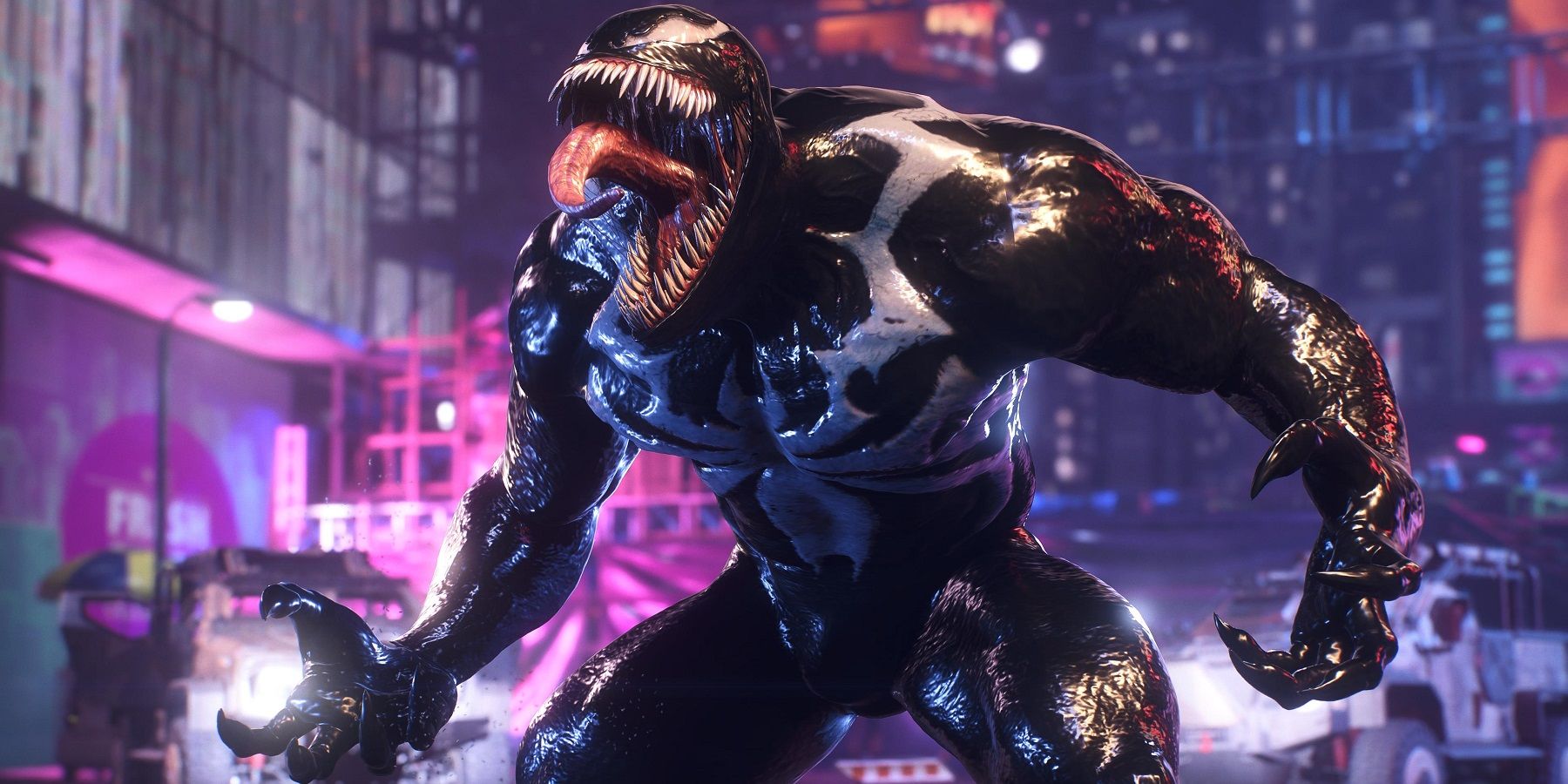
What is changing is the utility of that exclusivity. We are moving toward an era of “ecosystem loyalty” rather than “hardware loyalty.” In this new environment, consumers are loyal to the account, the friends list, and the trophy/achievement system, rather than the physical console under their television.
For the consumer, this is an overwhelming win. The decline of strict exclusivity means more ways to play the games they love, lower barriers to entry, and more competition between platforms to provide value through services rather than just restrictive contracts.
Key Takeaways on the Shift in Console Value
- Service-Driven Growth: Subscription models like Game Pass have shifted the value proposition from hardware ownership to content access.
- Temporal Exclusivity: The trend of bringing console exclusives to PC after a set period reduces the immediate pressure to buy hardware.
- Multiplatform Dominance: The prevalence of cross-platform AAA titles makes hardware choices more about preference and less about necessity.
- Ecosystem Focus: Platform holders are prioritizing “reach” (total users across all devices) over “install base” (total consoles sold).
As we look toward the next cycle of hardware releases, the industry will likely continue to blur the lines between platforms. The “winner” of the next generation will not necessarily be the company with the most exclusive games, but the company that makes those games the easiest to access, regardless of the device being used.
The next major checkpoint for this trend will be the official hardware announcements and service pricing updates typically seen in late-year corporate filings and developer conferences. These will reveal whether the industry continues its pivot toward openness or attempts to return to the restrictive models of the past.
Do you think exclusives still drive your hardware choices, or has a subscription service changed how you buy games? Let us know in the comments below.
- As White House monitors latest OpenAI incident, Congress eyes an AI ‘kill switch’ for DHS
- Se dan a conocer los finalistas del concurso Fotógrafo Astronómico del Año 2026 – CNN en Español
- Uber Q2 2026 EPS Guidance and Impact of 10% Workforce Cut (world-today-news.com)
- Why Bluetooth Still Works in Airplane Mode (daybreakwire.com)