
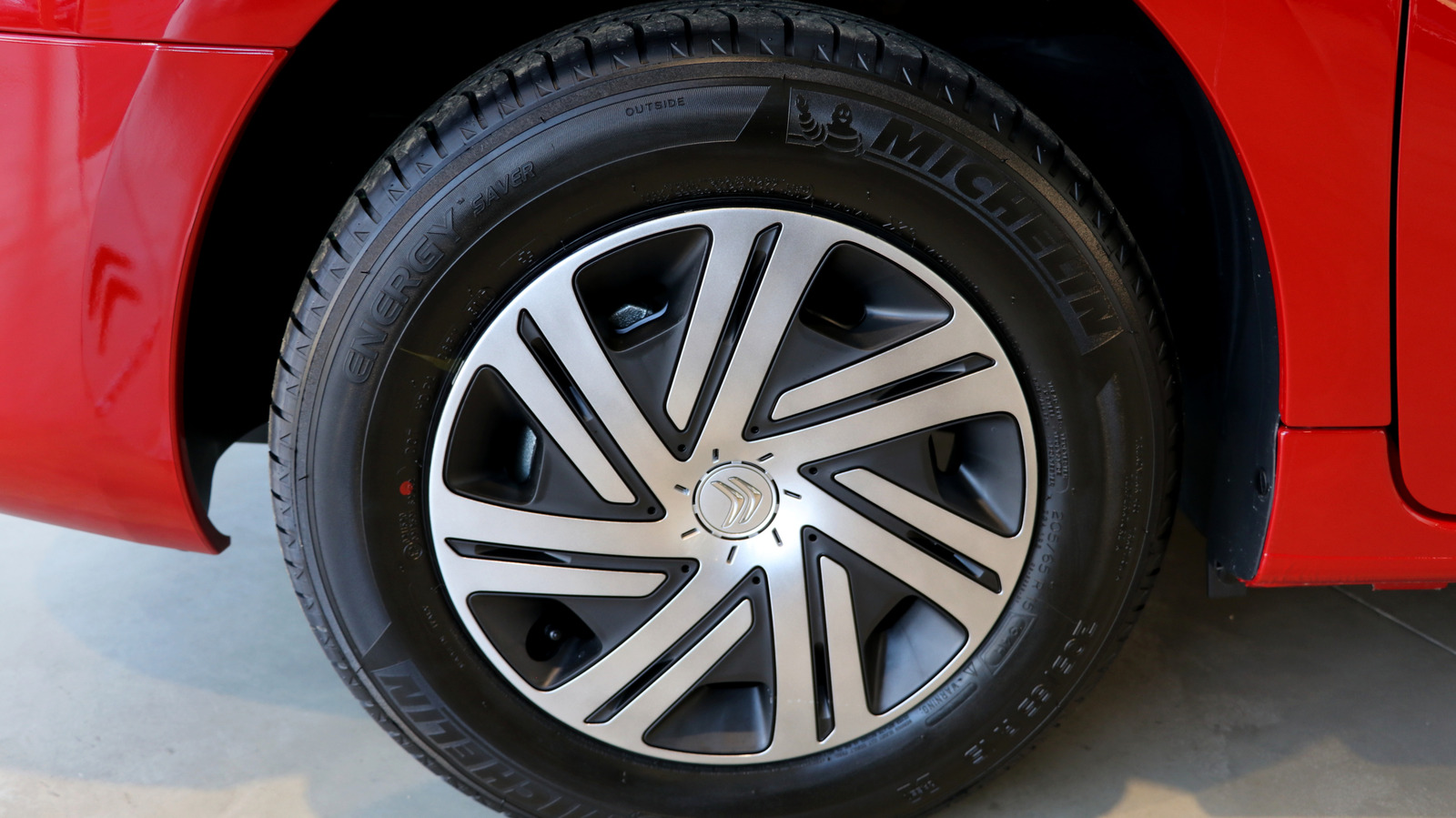
Do Michelin Energy Saver A/S Tires Improve Fuel Economy?
San Francisco, CA – April 29, 2026 – For drivers increasingly conscious of both cost and environmental impact, the promise of improved fuel efficiency is a compelling one. Michelin’s Energy Saver A/S tires are marketed as a solution, aiming to maximize mileage per gallon or range for electric vehicles. But how significant are the fuel savings in real-world driving conditions? Recent testing suggests that while these tires do offer a measurable advantage, the gains may be modest, prompting a closer look at the technology and its practical benefits.

The automotive tire industry is constantly innovating, with manufacturers striving to balance performance characteristics like grip, handling, and tread life with fuel efficiency. Rolling resistance – the force resisting the motion of a tire – is a key factor in determining how much energy a vehicle expends. Lower rolling resistance translates directly to improved fuel economy, whether for gasoline-powered cars or electric vehicles extending their range. Michelin’s Energy Saver A/S tires are specifically engineered to minimize this resistance, but the question remains: does this translate into noticeable savings for the average driver?
Testing Reveals Modest Fuel Savings
Independent testing conducted by Consumer Reports (CR) indicates that the Michelin Energy Saver A/S tires deliver exceptionally low rolling resistance when compared to other fuel-efficient all-season tires. According to testing, the tires ranked near the top in this category. Yet, the actual improvement in fuel economy observed in CR’s tests was relatively little, ranging from one to two percent. This suggests that while the tires offer a technical advantage, the impact on a driver’s fuel bill might not be substantial.
This finding aligns with further independent analysis, which attributes the Energy Saver’s fuel efficiency to its core design elements. These include a silica-based tread compound and an optimized tread pattern, both of which work to reduce energy loss as the tire rotates. Silica, a chemical compound, is often used in tire manufacturing to enhance grip and reduce rolling resistance. The tread pattern is also crucial, designed to minimize deformation and friction as the tire makes contact with the road surface. Despite these advancements, the gains in fuel economy remain minimal and do not significantly compromise other important tire performance aspects like braking, handling, and tread life.
The limited fuel savings highlight a common challenge in tire technology: optimizing for multiple performance characteristics simultaneously. A tire designed solely for maximum fuel efficiency might sacrifice grip or durability, making it unsuitable for many drivers. Michelin appears to have struck a balance with the Energy Saver A/S, offering improved efficiency without drastically compromising other key features. However, consumers should be aware that the fuel savings are unlikely to be dramatic.
Factors Influencing Real-World Fuel Economy
The actual fuel savings experienced by a driver using Michelin Energy Saver A/S tires will depend on a variety of factors. Driving habits, vehicle type, road conditions, and tire maintenance all play a role. Aggressive acceleration and braking, for example, will negate any fuel efficiency gains from low rolling resistance tires. Similarly, driving on rough or uneven roads will increase rolling resistance, reducing the benefits.
Vehicle weight and aerodynamics also significantly impact fuel economy. A heavier vehicle requires more energy to move, and a less aerodynamic vehicle encounters greater air resistance. Tire pressure is another critical factor; underinflated tires increase rolling resistance and reduce fuel efficiency. Regular tire maintenance, including proper inflation and rotation, is essential to maximize the benefits of any fuel-efficient tire.
For electric vehicle (EV) drivers, the impact of low rolling resistance tires is slightly different. Instead of improving miles per gallon, these tires can extend the vehicle’s range – the distance it can travel on a single charge. Michelin specifically highlights this benefit, positioning the Energy Saver A/S as a tire that helps EV owners “get the most…range from your batteries.” However, the same caveats apply: real-world range extension will vary depending on driving conditions, and habits.
Michelin’s Technology and Design
The Michelin Energy Saver A/S tire incorporates several key technologies designed to enhance fuel efficiency and longevity. The Green X Compound, a feature highlighted in marketing materials, is a specialized rubber formulation that reduces rolling resistance. This compound, combined with the optimized tread pattern, minimizes energy loss during tire rotation. The tire also features MaxTouch Construction, which aims to improve grip and handling by maximizing the contact area between the tire and the road surface.
Michelin emphasizes its commitment to eco-friendly materials and manufacturing processes in the production of the Energy Saver A/S. This includes using sustainable materials and reducing waste during manufacturing. The company also offers a standard limited warranty of 6 years and a mileage warranty of up to 65,000 miles, supported by the Michelin Promise Plan, which includes a 60-day satisfaction guarantee and roadside assistance. The Michelin Promise Plan demonstrates the company’s confidence in the quality and performance of its products.
Key Features of the Michelin Energy Saver A/S
- Green X Compound: Reduces rolling resistance for improved fuel efficiency.
- Optimized Tread Pattern: Minimizes energy loss and enhances grip.
- MaxTouch Construction: Maximizes contact area for improved handling.
- Long Treadlife: Designed for extended durability and mileage.
- Michelin Promise Plan: Offers a 60-day satisfaction guarantee, roadside assistance, and a mileage warranty.
Value Proposition and Considerations
The Michelin Energy Saver A/S tire presents a compelling option for drivers prioritizing fuel efficiency and long tread life. While the fuel savings may not be dramatic, they can add up over the lifespan of the tires, particularly for those who drive frequently. The tire’s balanced performance characteristics – combining efficiency with acceptable levels of grip, handling, and durability – build it a versatile choice for a wide range of vehicles and driving conditions.

However, consumers should carefully consider their individual needs and driving habits. If maximizing performance – such as grip in wet or snowy conditions – is a top priority, other tire options might be more suitable. The Energy Saver A/S is designed to strike a balance, but it may not excel in all areas. Price is also a factor; Michelin tires generally command a premium compared to some other brands. Consumers should compare prices and consider the long-term cost savings from improved fuel efficiency when making a purchasing decision.
The tire currently receives a 3.8/5 rating based on 571 reviews, according to Michelin’s website. This suggests generally positive customer satisfaction, but individual experiences may vary.
Looking ahead, Michelin and other tire manufacturers will likely continue to focus on developing even more fuel-efficient tire technologies. Advancements in materials science, tread design, and manufacturing processes could lead to more significant improvements in rolling resistance and fuel economy. As the automotive industry transitions towards electric vehicles, the demand for low rolling resistance tires is expected to grow, driving further innovation in this area.
The next step for consumers interested in learning more about the Michelin Energy Saver A/S tire is to check current pricing at retailers like TireRack, Discount Tire, SimpleTire, PriorityTire, and Amazon. It’s also advisable to read recent customer reviews and compare the tire’s specifications with other options before making a final decision.
What are your thoughts on fuel-efficient tires? Share your experiences and opinions in the comments below.