
Psychiatric treatment does not always require medication, as clinical approaches frequently integrate psychotherapy, lifestyle modifications, and behavioral interventions depending on the patient’s diagnosis and severity of symptoms. While pharmacological therapy remains a cornerstone of modern psychiatry for conditions such as bipolar disorder or schizophrenia, evidence-based guidelines from organizations like the American Psychiatric Association emphasize that many mental health disorders are treated effectively through talk therapy or a combination of both medication and non-drug approaches.
As a physician, I frequently encounter patients who believe that a visit to a psychiatrist will invariably result in a prescription. However, the role of a psychiatrist—who is a medical doctor specialized in mental health—is to perform a comprehensive diagnostic evaluation. This assessment determines whether a patient’s condition is best managed through biological, psychological, or social interventions. According to the National Institute of Mental Health (NIMH), treatment plans are highly individualized, and the decision to forgo medication is often a clinical choice made when the risks of side effects outweigh the benefits or when psychotherapeutic interventions show sufficient efficacy.
When Is Medication Not Required?
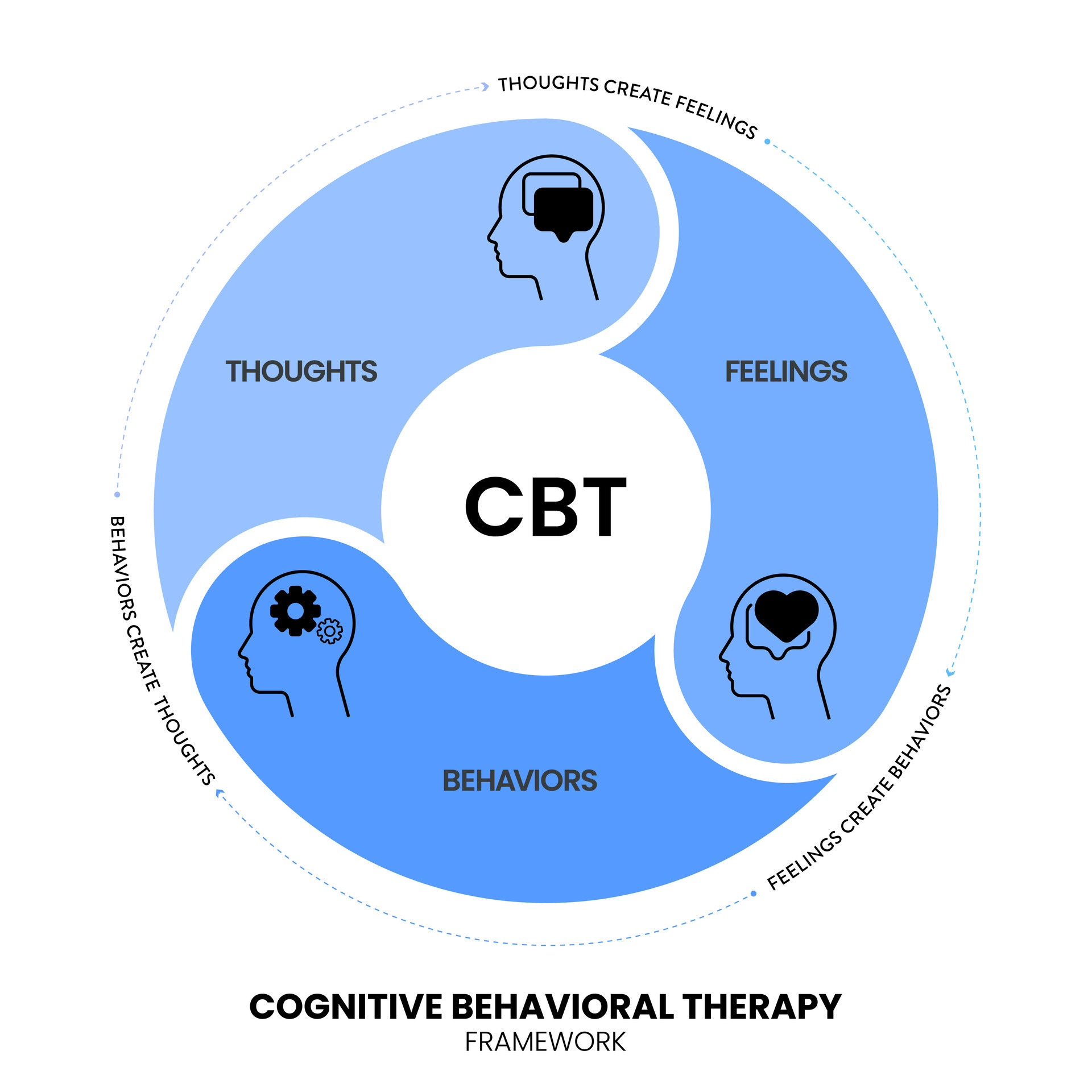
The determination to treat a patient without medication is typically based on the nature of the disorder and the patient’s functional status. For mild to moderate cases of generalized anxiety or depressive disorders, clinical guidelines often recommend Cognitive Behavioral Therapy (CBT) as a first-line treatment. The World Health Organization (WHO) notes that psychosocial interventions can be as effective as pharmacological ones for certain conditions, particularly when the patient has a strong support system and the ability to engage in structured therapeutic sessions.
In cases where a patient presents with situational distress—such as grief, work-related stress, or adjustment disorders—medication may be unnecessary. Psychiatrists often prioritize identifying the root cause of the distress. If the symptoms are a reaction to an external environment, the clinical focus shifts toward coping mechanisms and environmental changes. This approach minimizes the potential for unnecessary side effects and avoids the risk of physiological dependence on psychotropic substances.
The Role of Multidisciplinary Care
Effective mental health care often involves a team-based approach. A psychiatrist might work alongside psychologists, social workers, and occupational therapists to provide a holistic treatment plan. This collaboration is essential because, while a psychiatrist can prescribe medication, they are also trained to provide psychotherapy. In many healthcare systems, if a patient’s condition does not require the monitoring of physiological markers or complex drug interactions, the psychiatrist may refer the patient to a psychotherapist for intensive, non-medicated treatment.

The National Institute for Health and Care Excellence (NICE) provides clinical guidance that explicitly prioritizes “low-intensity” psychological interventions for mild depression, which include guided self-help and exercise programs. These evidence-based pathways ensure that resources are directed toward the interventions most likely to produce long-term patient recovery without relying exclusively on pharmaceuticals.
Factors Influencing the Decision to Prescribe
When deciding on a treatment path, psychiatrists evaluate several critical factors. These include the duration of symptoms, the impact on daily functioning, the presence of comorbid physical illnesses, and the patient’s personal preference. According to the Royal College of Psychiatrists, shared decision-making is a standard of care. Patients have the right to discuss the risks, benefits, and alternatives to medication, including the potential for non-pharmacological management.
If a patient expresses a strong desire to avoid medication, psychiatrists will assess whether this is clinically safe. For example, in cases of severe mental illness, such as acute psychosis or high-risk bipolar disorder, medication is often vital for patient safety and stabilization. In such scenarios, the psychiatrist will explain why medication is non-negotiable while still offering psychotherapy as a complementary tool to improve the patient’s overall quality of life.
Integrating Lifestyle and Behavioral Changes
Non-pharmacological treatment is not synonymous with “doing nothing.” It involves active, evidence-based practices that improve mental well-being. This includes:

- Physical Activity: Regular aerobic exercise has been shown to have antidepressant effects by modulating neurochemical pathways.
- Sleep Hygiene: Addressing sleep disturbances is often a primary step in stabilizing mood disorders.
- Mindfulness-Based Cognitive Therapy (MBCT): This is a structured program that helps prevent relapse in individuals with recurrent depression.
- Social Prescribing: Connecting patients with community groups, volunteer work, or creative outlets to reduce isolation.
These interventions, while simple in concept, require consistency and professional guidance to be effective. The goal is to build resilience and equip the patient with tools they can use throughout their life, rather than relying solely on a pill to mask underlying issues.
What Happens Next?
If you are considering seeking psychiatric help, it is important to enter the consultation with an open mind regarding the treatment plan. You should prepare a list of your symptoms, their impact on your daily life, and any previous treatments you have tried. If you have a strong preference regarding medication, communicate this clearly to your doctor during the initial assessment. This dialogue is the foundation of a successful therapeutic alliance.
Future updates to clinical guidelines are expected to further emphasize personalized medicine, potentially using biomarkers or genetic testing to better predict which patients will respond to non-medicated therapy. Patients should follow their local health authority’s guidance on mental health services and check for upcoming public health updates regarding standardized treatment protocols. If you found this information helpful, please share this article to help others understand the nuances of psychiatric care and encourage a more informed conversation about mental health.
Worth a look