Researchers using high-resolution computed tomography (CT) scanning have uncovered new details about the sensory world of the dodo, challenging long-held assumptions that the extinct bird was a clumsy and foolish creature. The investigation, published in the Discoverwildlife, was led by scientists at the University of Lethbridge in Canada in collaboration with researchers at the Natural History Museum Denmark and other institutions, according to Bioengineer.org.
New CT Scans Reveal Unexpected Sensory Abilities in the Extinct Dodo
The dodo, scientifically known as Raphus cucullatus, lived undisturbed for several thousand years on Mauritius, an island east of Madagascar in the Indian Ocean. Following its discovery by Dutch sailors in 1598, the flightless bird was hunted to extinction within 64 years. Sailors’ accounts noted that dodos gathered in huge flocks and approached humans without alarm, making them easy targets. Beyond historical accounts and scattered bones, little behavioral record exists.
Reconstructing the Dodo’s Brain and Senses
Because surviving anatomical material is exceptionally rare, researchers analyzed CT data from three dodo skulls. These specimens included the world’s only two known complete skulls—held by the Natural History Museum Denmark in Copenhagen and the Oxford University Museum of Natural History—alongside a less complete but well-preserved specimen from London’s Natural History Museum.
By performing X-ray CT scans, the team reconstructed digital endocasts, which are 3D models of the interior space of the braincase. These endocasts revealed the size, shape, and surface features of the dodo’s brain. Researchers then compared these models directly with the endocasts of living pigeons and doves, the dodo’s closest surviving relatives.
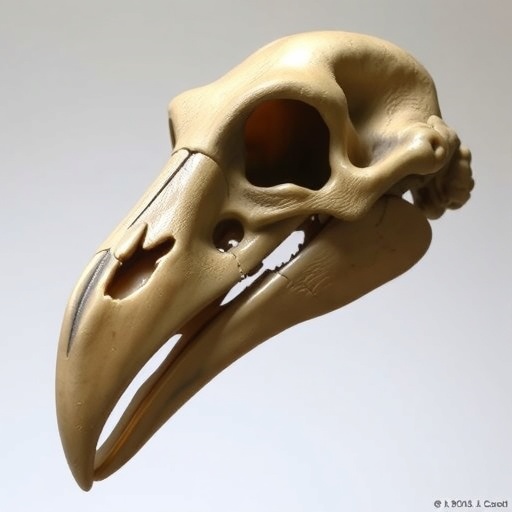
The findings indicate that the dodo may have possessed a complex combination of sensory adaptations. The anatomical features point to a stronger reliance on smell compared to modern pigeons and doves, as well as enhanced tactile perception through its large beak. Furthermore, features of the reconstructed brain and sensory anatomy suggest the bird’s daily activity pattern may have extended beyond bright daylight, potentially allowing it to be active during low-light periods such as dawn and dusk to exploit food resources or avoid intense daytime heat.
Museum Collections and Ongoing Research
The Copenhagen specimen examined in the study has been part of the museum’s collections for centuries and was analyzed as preparations began for new permanent galleries scheduled to open in 2027. Researchers emphasized that while endocasts provide valuable indirect evidence about how the dodo sensed and interacted with its environment, anatomy cannot reveal every detail of the bird’s behavior.
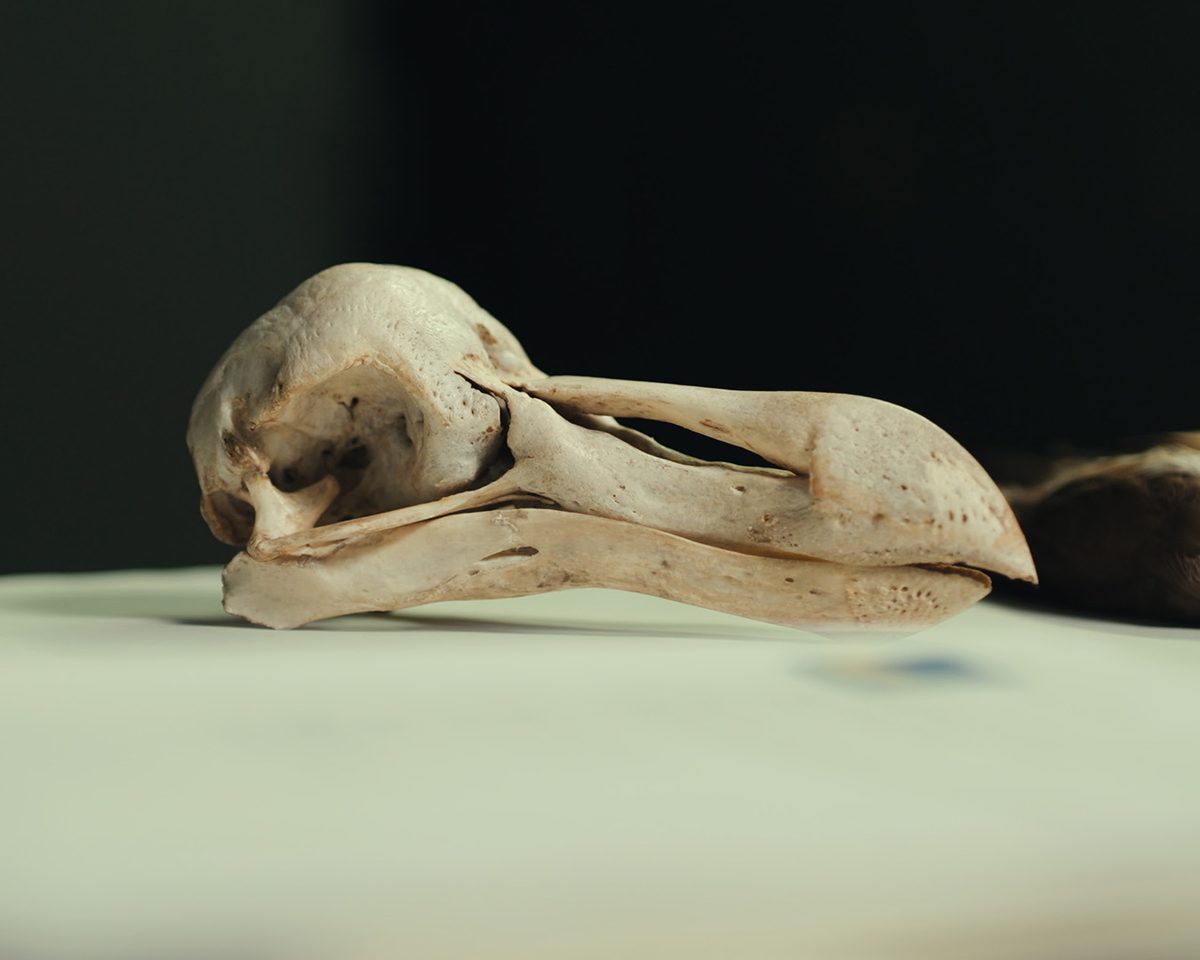
The study also included scans of an extinct bird known as the Rodrigues solitaire, a close relative of the dodo that was discovered and hunted to extinction at a similar time. Through these advanced scanning techniques, scientists continue to piece together the biology of an animal that disappeared in the late 17th century but remains a prominent symbol of human-induced extinction.
- Jason Arday Resigns From University of Cambridge After Plagiarism Claims
- Scientists Capture Highest-Resolution Images of Sun’s Surface in Hawaii
- Unhealthy Foods to Avoid: What Studies Reveal (archyde.com)
- Google Pixel 11 Pro Leaks Reveal Price Hikes and HiLight Feature Ahead of Launch (archyworldys.com)