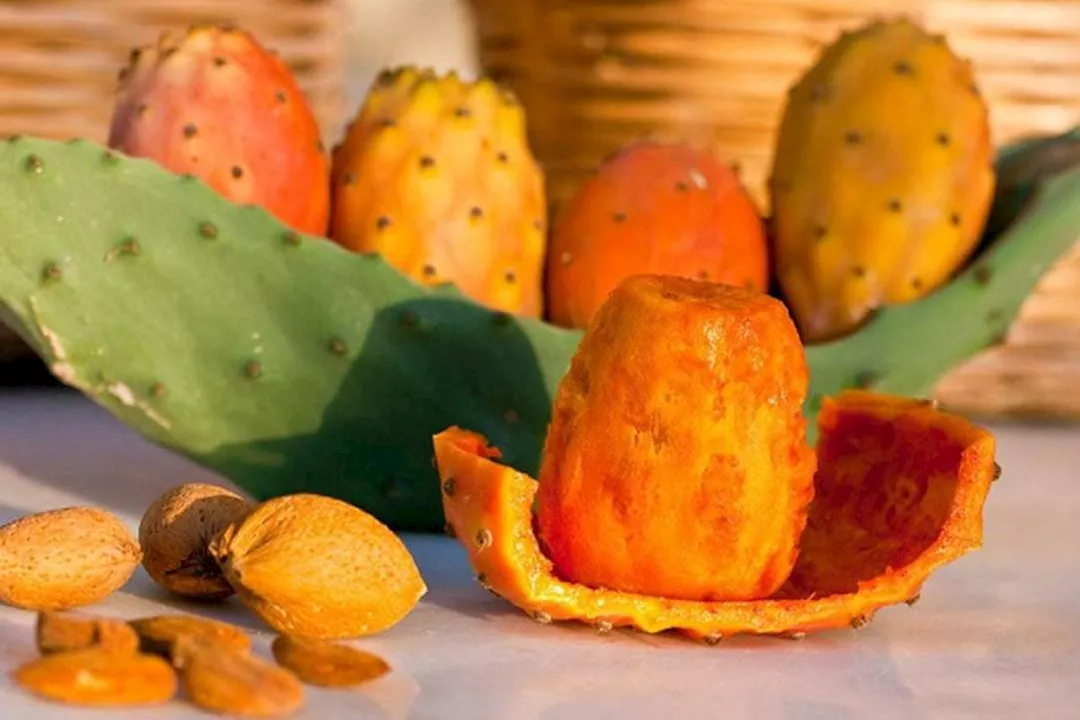
Consuming prickly pear (Opuntia ficus-indica) may help manage cholesterol levels due to its high soluble fiber content, which aids in the excretion of bile acids from the body. While beneficial for lipid profiles, patients should monitor intake regarding total sugar content and ensure adequate hydration to prevent digestive complications.
As summer temperatures rise, the prickly pear becomes a staple in many regions. For individuals managing hypercholesterolemia, or high cholesterol, this seasonal fruit offers more than just hydration. Emerging nutritional science suggests that the specific fiber composition of the prickly pear plays a functional role in metabolic health, particularly concerning the regulation of low-density lipoprotein (LDL) cholesterol.
Medical professionals emphasize that while dietary additions like prickly pear can support cardiovascular health, they are not substitutes for prescribed statins or clinical interventions. Understanding the biochemical interaction between the fruit’s nutrients and the human digestive system is essential for patients looking to integrate it into a heart-healthy diet.
How does prickly pear affect cholesterol levels?
The primary mechanism by which prickly pear influences cholesterol is through its high concentration of soluble fiber. When soluble fiber is consumed, it absorbs water in the digestive tract to form a gel-like substance. According to nutritional research, this gel binds to bile acids—which are synthesized from cholesterol in the liver—and facilitates their excretion through the stool.
To compensate for the loss of these bile acids, the liver must pull more cholesterol from the bloodstream to produce new ones. This process can lead to a measurable reduction in circulating LDL cholesterol, often referred to as “bad” cholesterol. By increasing the efficiency of this excretion process, the prickly pear acts as a natural dietary tool for lipid management.
Beyond fiber, the fruit contains betalains, which are nitrogen-containing pigments that provide potent antioxidant properties. Clinical studies have indicated that these antioxidants may help reduce oxidative stress, a key factor in the development of atherosclerosis. Atherosclerosis occurs when cholesterol deposits build up on the walls of the arteries, narrowing them and restricting blood flow.
Furthermore, the presence of polyphenols in the fruit may support endothelial function, which is the ability of blood vessels to relax and contract properly. Maintaining healthy endothelial function is a critical component of long-term cardiovascular disease prevention.
Nutritional profile of Opuntia ficus-indica
The prickly pear is a nutrient-dense fruit that provides several essential micronutrients required for metabolic regulation. For patients focused on heart health, the following components are of particular importance:

- Soluble and Insoluble Fiber: Essential for digestive regularity and the cholesterol-binding mechanism described above.
- Vitamin C: A vital antioxidant that supports immune function and protects cells from oxidative damage.
- Magnesium: A mineral that plays a role in regulating blood pressure and supporting muscle function, including the heart.
- Potassium: Helps manage blood pressure by offsetting the effects of sodium.
- Antioxidants (Betalains and Flavonoids): These compounds combat inflammation and oxidative stress within the vascular system.
While the fruit is highly beneficial, the concentration of these nutrients can vary based on the ripeness of the fruit and the soil conditions in which the cactus grows. For those tracking specific micronutrient intake, it is worth noting that the peel, if prepared safely, also contains significant dietary fiber, though most consumers focus on the pulp.
What are the risks for patients with co-existing conditions?
Despite the cardiovascular benefits, prickly pear is not without potential risks, particularly for individuals managing multiple health conditions. Patients should consider the following three areas of concern:
Blood Sugar Management in Diabetics
While the fiber in prickly pear can help slow the absorption of sugar, the fruit still contains natural fructose. For patients with Type 2 diabetes, excessive consumption could lead to unexpected spikes in blood glucose levels. It is advisable for diabetic patients to treat prickly pear as a carbohydrate source and factor it into their daily glycemic management plans.

Kidney Health and Oxalates
Prickly pear contains oxalates, which are naturally occurring compounds found in many plants. In individuals prone to calcium oxalate kidney stones, high intake of oxalate-rich foods can increase the risk of stone formation. Patients with a history of renal calculi should consult their physician regarding the appropriate portion sizes of prickly pear.
Digestive Sensitivity
The sudden introduction of high amounts of fiber into a diet can cause gastrointestinal distress, including bloating, gas, or constipation if not accompanied by adequate water intake. Because the fiber absorbs liquid to function, failing to hydrate can actually exacerbate constipation rather than relieve it.
Practical tips for consuming prickly pear safely
To maximize the cardiovascular benefits of prickly pear while minimizing risks, patients can follow these evidence-based dietary practices:
- Prioritize Hydration: Always drink plenty of water when increasing fiber intake to ensure the soluble fiber moves efficiently through the digestive tract.
- Practice Portion Control: Rather than consuming large quantities at once, integrate smaller amounts into a balanced diet to allow the digestive system to adjust to the fiber load.
- Monitor Total Sugar Intake: If you are also managing diabetes, track the fruit’s contribution to your daily carbohydrate count.
- Safe Preparation: Ensure the fruit is thoroughly cleaned and the spines (glochids) are completely removed to prevent oral or gastrointestinal irritation.
Integrating prickly pear into a Mediterranean-style diet—which is already highly regarded for its cholesterol-lowering properties—can provide a synergistic effect on heart health. This approach emphasizes whole foods, healthy fats, and high fiber, making the prickly pear a natural addition to a preventative nutritional strategy.
Frequently Asked Questions
Can eating prickly pear lower bad cholesterol?
Yes, the high soluble fiber content in prickly pear can assist in lowering LDL cholesterol by binding to bile acids in the gut and promoting their excretion, forcing the liver to use more circulating cholesterol to produce new bile.
/economiasustentable.com/wp-content/uploads/2023/05/Plasticos.jpeg "Can eating prickly pear lower bad cholesterol?")
Is prickly pear safe for people with diabetes?
It can be part of a diabetic diet, but it must be consumed in moderation. The fiber helps stabilize blood sugar, but the fruit’s natural sugars still impact glucose levels. Patients should coordinate intake with their overall carbohydrate management.
Can prickly pear cause kidney stones?
Because prickly pear contains oxalates, individuals who are highly susceptible to calcium oxalate kidney stones should consume the fruit in moderation and consult a medical professional.
What are the side effects of too much prickly pear?
Excessive consumption may lead to digestive issues such as bloating, gas, or constipation, especially if the consumer does not drink enough water to support the high fiber content.
Clinical guidelines regarding seasonal fruit consumption and metabolic health are subject to ongoing review by major health organizations. Medical professionals recommend monitoring your lipid panels regularly and discussing any significant dietary changes with your healthcare provider. Watch for upcoming updates from the American Heart Association regarding dietary fiber recommendations for cardiovascular health.
Do you have questions about integrating seasonal fruits into a heart-healthy diet? Share your thoughts or questions in the comments below and share this article with someone managing cholesterol.
Worth a look