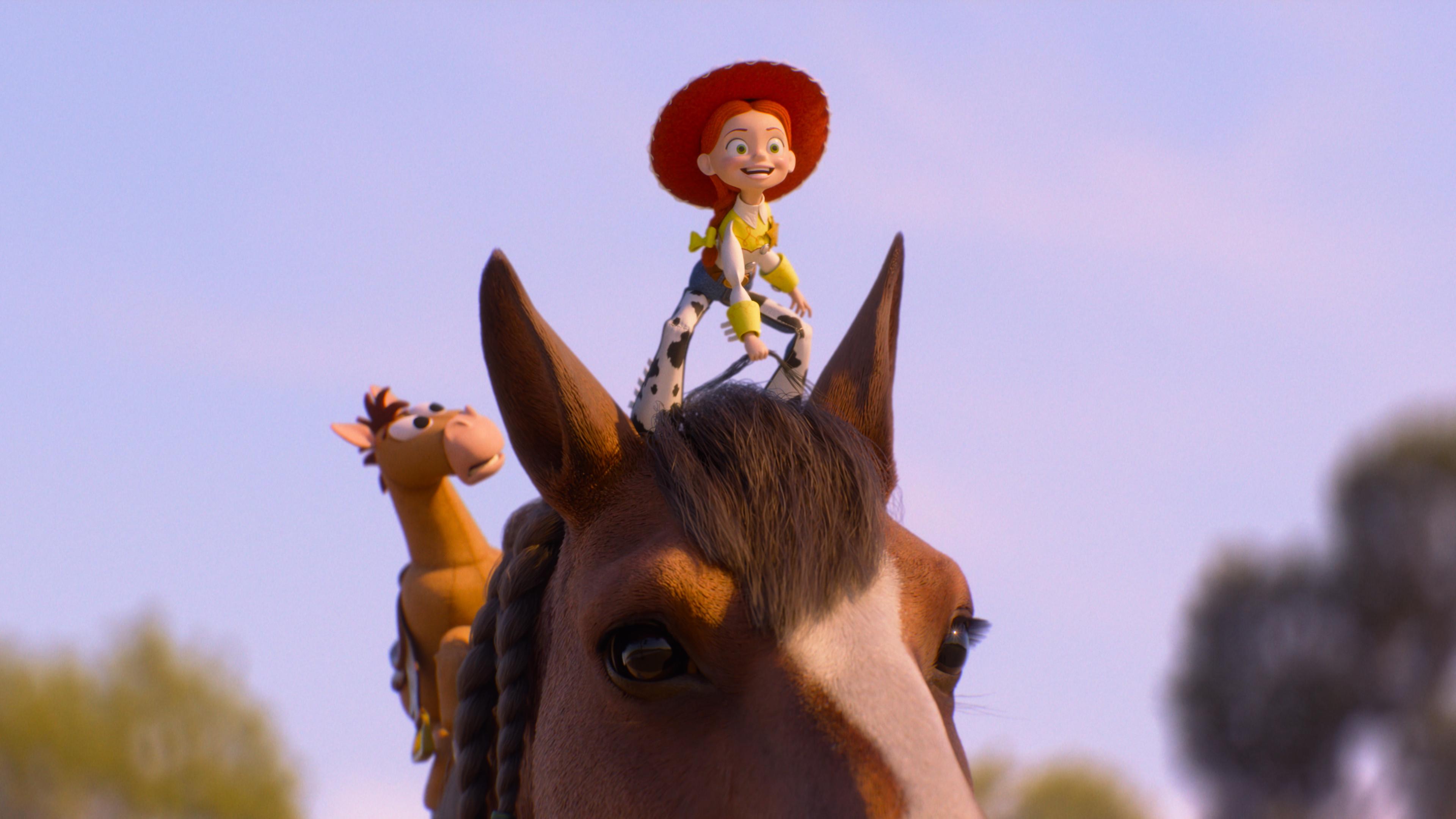
In Toy Story 5, the latest entry in the long-running Pixar franchise, the character of Jessie the Yodeling Cowgirl faces a crisis of identity triggered by a discovery regarding her former owner, Emily. While the film attempts to provide emotional resolution for the character, critics and audiences have raised questions regarding the narrative consistency of this new plot point compared to the series’ established history. The film, which continues the studio’s focus on the emotional lives of sentient playthings, explores themes of obsolescence and purpose, though its execution has sparked debate over whether the emotional payoff feels earned or manufactured.
Since the release of the original Toy Story in 1995, Pixar has maintained a reputation for creating animated features that resonate with both children and adults. According to the Academy of Motion Picture Arts and Sciences, the franchise has consistently been recognized for its technical and narrative achievements, setting a benchmark for computer-generated storytelling. The studio’s ability to evoke emotional responses—often referred to as an “emotional wallop”—has been a hallmark of films like Finding Nemo (2003) and Inside Out (2015), as noted in Pixar’s official filmography archives.
Jessie’s Narrative Arc and the Question of Continuity
The central conflict in Toy Story 5 revolves around Jessie’s struggle with her place in the life of her current owner, Bonnie. As Bonnie grows older and shifts her interest toward newer forms of play, including a tech-based device named Lilypad, Jessie experiences a resurgence of the abandonment trauma she famously faced in Toy Story 2. This internal conflict leads her to revisit the site where she and her original owner, Emily, once played. It is at this location that Jessie unearths a buried lunchbox containing items from Emily’s past, including a note that suggests a deeper, more enduring connection between the two than was previously depicted.
This discovery introduces a significant shift in the franchise’s established lore. In the 1999 film Toy Story 2, the sequence set to the song “When She Loved Me”—performed by Sarah McLachlan and written by Randy Newman—portrayed a clear and definitive end to the relationship between Jessie and Emily. The scene depicted Emily donating the doll, an act that defined Jessie’s character as one who had been discarded by her owner. The introduction of a “retcon” in the fifth film, which implies Emily held onto a fondness for the doll, challenges the emotional weight of that foundational moment.
Comparing Emotional Stakes Across the Franchise
The effectiveness of emotional storytelling in the Toy Story series has historically relied on the internal logic of the toys’ experiences. In Toy Story 3, the characters face the existential reality of being outgrown by Andy, a theme that resonated with audiences due to its grounded approach to human maturation. According to Box Office Mojo, the film grossed over $1 billion worldwide, reflecting its broad cultural impact and the depth of its narrative conclusion at the time.
By contrast, the resolution offered in Toy Story 5 has been characterized by some viewers as a form of “emotional manipulation.” By relying on a plot twist that introduces new information about Emily’s long-term affection for the doll, the film creates a divergence from the established history of the characters. Critics argue that this change undermines the original impact of Jessie’s backstory, which was predicated on the harsh reality of being left behind. Unlike the earlier films, which focused on the toys accepting their reality, the latest installment utilizes a narrative device that some find difficult to reconcile with the established timeline.
The Future of Pixar’s Storytelling Strategy
The reliance on established intellectual property remains a primary strategy for major studios in the current cinematic landscape. As noted by The Numbers, which tracks film industry performance, sequels and franchise entries continue to dominate box office earnings. However, Pixar has also demonstrated success with original concepts, such as the 2023 release Elemental, which achieved significant commercial performance despite not being part of an existing series. This highlights a tension within the studio between the safety of familiar characters and the creative potential of new narratives.

Looking ahead, the studio has not yet made an official statement regarding the production of further sequels beyond the current project. Fans and industry analysts are awaiting updates from The Walt Disney Company, which owns Pixar, regarding the long-term roadmap for the franchise. The reception of Toy Story 5 may influence the studio’s approach to future character development. Readers are invited to share their perspectives on whether the film’s emotional conclusion successfully honored the legacy of the previous entries or if it signaled a shift in the studio’s storytelling priorities.